
History & Culture
Cherokee heritage, gold rush fever, a lumber boom and bust, and the audacious 1969 transformation that turned a fading mountain town into Georgia's Alpine village
Layers of History Beneath the Alpine Facade
When you first drive into Helen and see the half-timbered Bavarian facades lining Main Street, it is tempting to think the entire town is a theme park - a charming bit of Alpine theater dropped into the north Georgia mountains. But walk past the fudge shops and beer gardens and you will discover that Helen sits at the intersection of some of the most layered and fascinating history in the American Southeast. The Bavarian makeover is just the most recent chapter in a story that stretches back thousands of years, and once you start pulling at the threads, you will find that every creek, ridge, and valley around here has something remarkable to tell you.
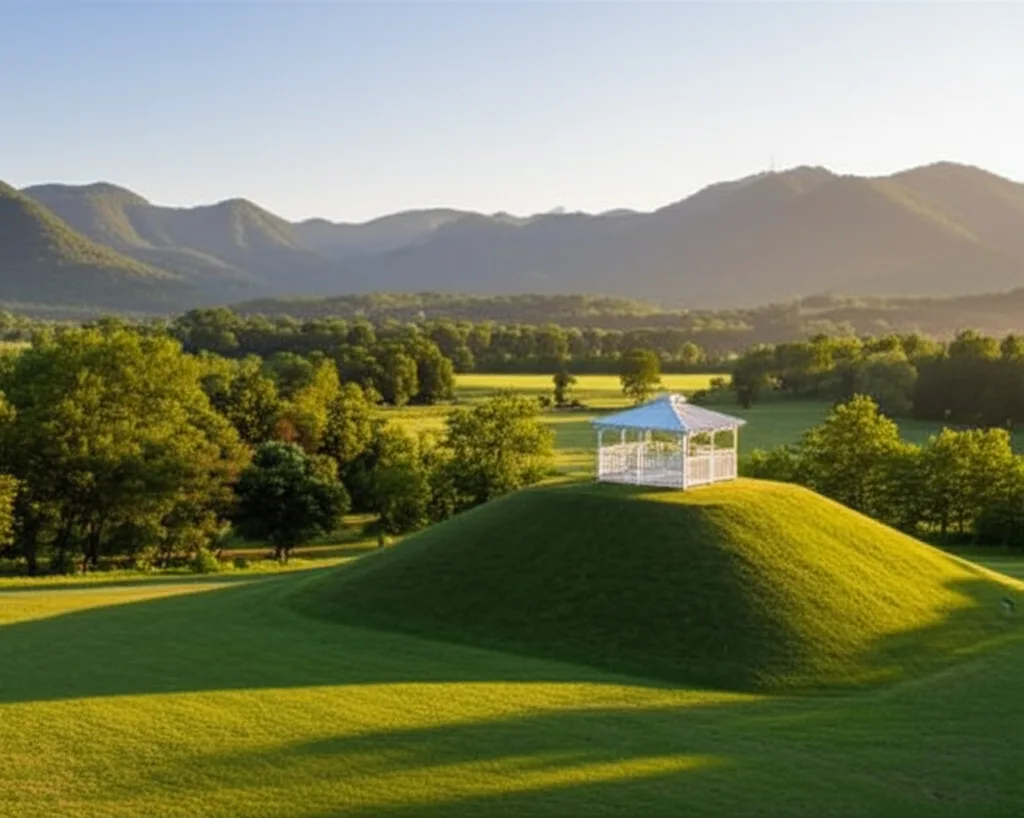
Long before European settlers arrived, the Cherokee people thrived in the Nacoochee Valley and the surrounding mountains. The iconic Nacoochee Indian Mound - that gazebo-topped earthwork you see on Highway 17 just south of town - dates back at least a thousand years and served as a ceremonial platform for the people who shaped this landscape. Track Rock Gap, a short drive west, holds ancient petroglyphs carved into soapstone boulders whose meaning is still debated by archaeologists. The Cherokee called this region "Enotah," and their trail network became the foundation for roads still in use today. Their forced removal along the Trail of Tears in the 1830s remains one of the most painful chapters in American history, and the cultural landmarks they left behind deserve thoughtful, respectful attention from every visitor.
Then came the gold. In 1828, the discovery of gold in the creeks near present-day Dahlonega - about 40 miles southwest of Helen - triggered America's first major gold rush, a full two decades before Sutter's Mill in California. Thousands of prospectors flooded the north Georgia hills, and the resulting pressure on Cherokee lands directly accelerated their forced removal. You can still pan for gold at several sites in the region, and the Georgia Gold Rush story is essential context for understanding how this part of the state developed. After the gold played out, timber took over. From the 1890s through the 1930s, logging companies stripped the Blue Ridge slopes and built Helen into a bustling lumber town with a railroad, a company store, and hundreds of workers. When the timber was gone, so was the town's economy - and Helen spent decades slowly fading until three local businessmen and a traveling artist named John Kollock sat down together in 1968 and hatched the plan that would transform every building in town into a Bavarian village. That 1969 transformation is one of the great small-town reinvention stories in America, and it is still working more than half a century later.
Beyond Helen's own timeline, the surrounding area is home to cultural treasures like the Foxfire Museum, which grew from a high school English project in 1966 into a nationally recognized preservation of Appalachian self-sufficiency and craftsmanship. Mark of the Potter, housed in an 1830s gristmill on the Soque River, is Georgia's oldest craft gallery. Nora Mill Granary has been grinding corn with its original French Buhr millstones since 1876. Covered bridges, Appalachian fiddle music, folk pottery traditions, and Civil War skirmish sites round out a region where history is not locked behind glass in a museum - it is alive, visible, and woven into everyday life. These 25 guides will take you through every era and every story, from the ancient petroglyphs to the paratroopers of Camp Toccoa.
History & Culture Guides
Twenty-five in-depth guides covering Cherokee heritage, the Gold Rush, Alpine transformation, Appalachian arts, and the landmarks that tell Helen's story.
 Alpine History
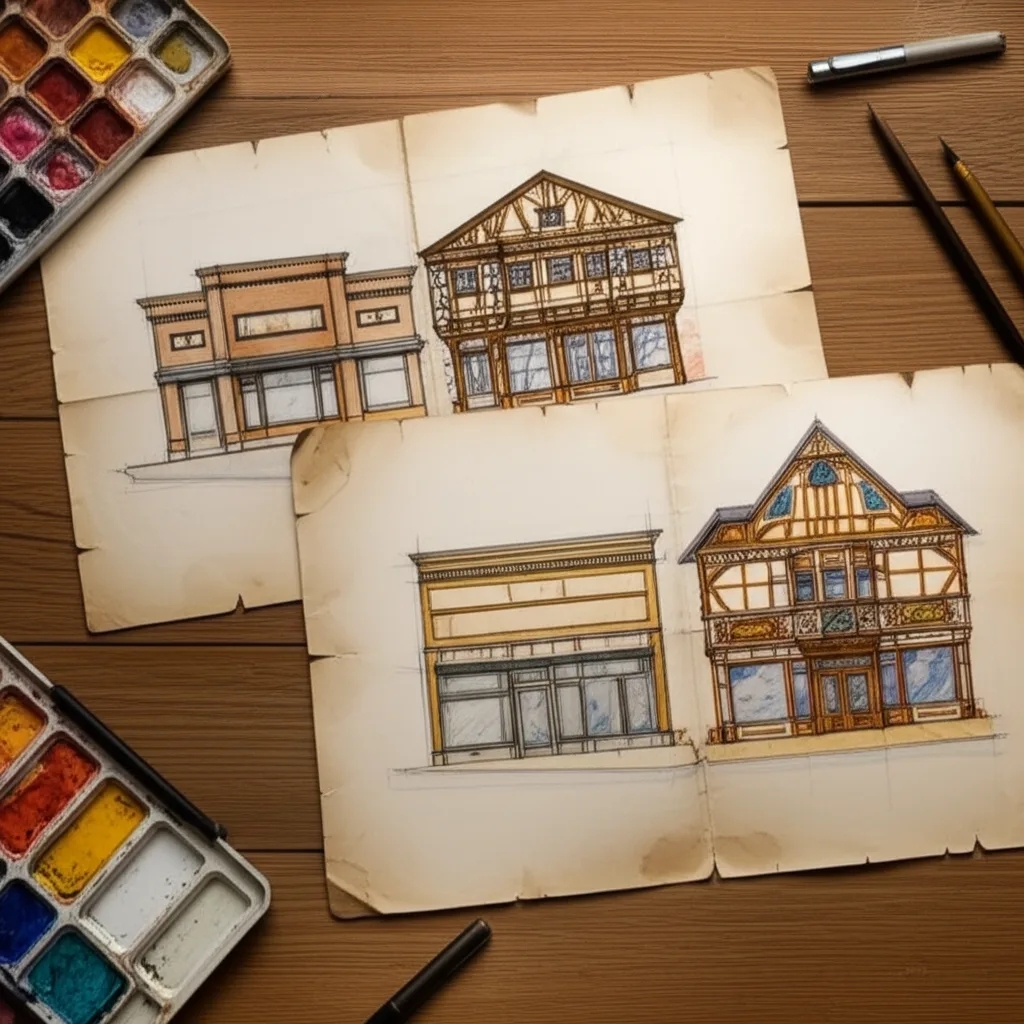
 Helen's 1969 Bavarian Transformation
How three local businessmen and a traveling artist turned a dying lumber town into Georgia's Alpine village in 1969 - the unlikely story that changed Helen forever.
Read guide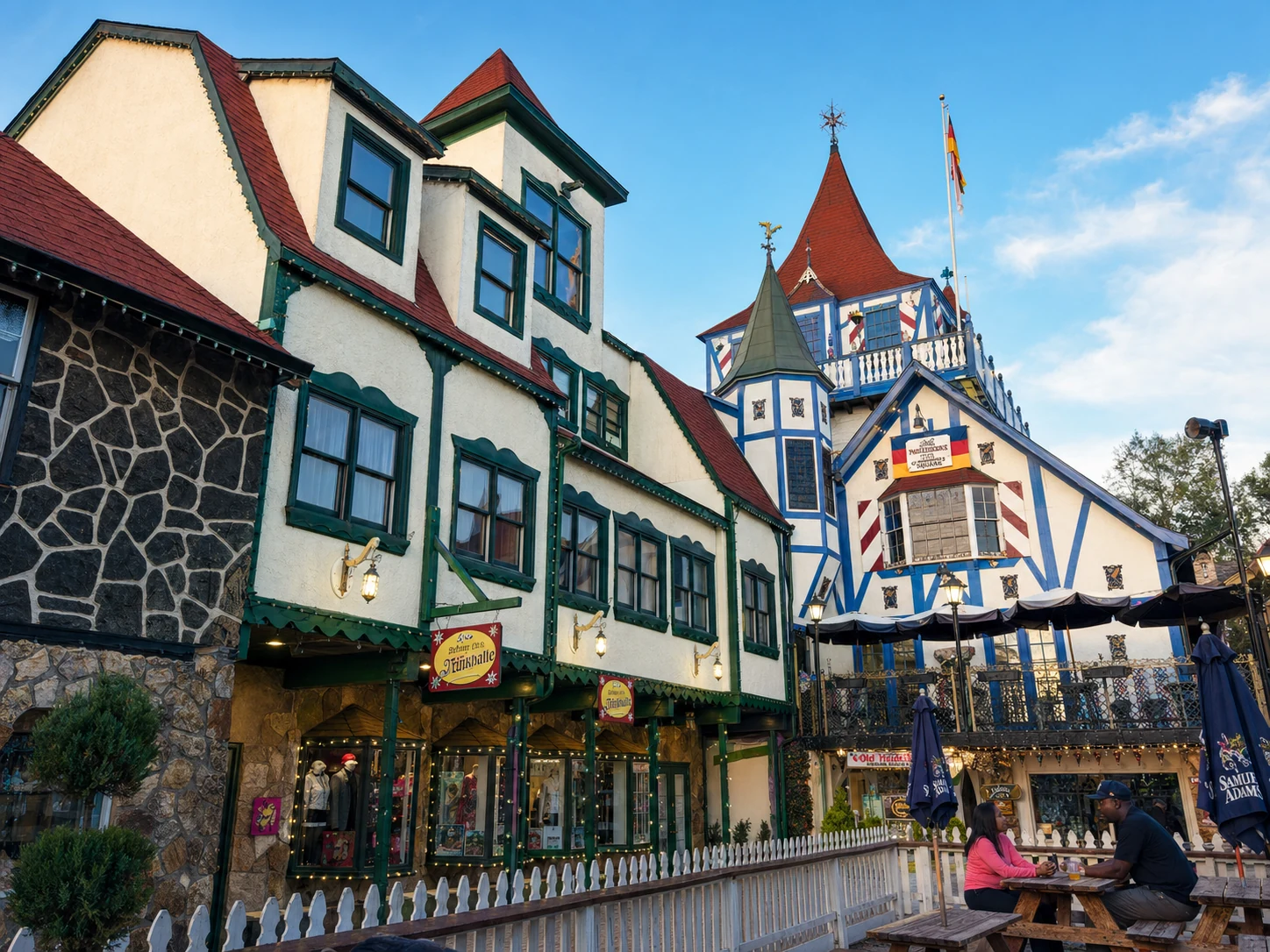 Alpine History
 Helen's Complete History
From ancient Cherokee hunting grounds through gold fever, the lumber boom, near-abandonment, and Bavarian rebirth - the full arc of Helen's remarkable story.
Read guide Cherokee Cherokee Heritage
The Cherokee people shaped this valley for thousands of years. Explore the mound sites, trail systems, and cultural traditions that remain woven into the land around Helen.
Read guide Cherokee
 Cherokee History in North Georgia
A broader look at the Cherokee Nation's presence across the north Georgia mountains - from the ancient town of Chota to the Trail of Tears and modern cultural preservation.
Read guide Cherokee
 Indigenous Heritage & Culture
Beyond the Cherokee, multiple indigenous groups left their mark on these mountains. Discover the archaeological evidence, oral traditions, and sacred sites that tell their stories.
Read guide Cherokee
 Track Rock Gap Petroglyphs
Ancient rock carvings etched into soapstone boulders in the Chattahoochee National Forest - one of the most significant Native American archaeological sites in the Southeast.
Read guide Gold Rush
 Georgia Gold Rush
In 1828, gold was discovered in the north Georgia hills - a decade before the California rush. Learn how it transformed the region and accelerated Cherokee removal.
Read guide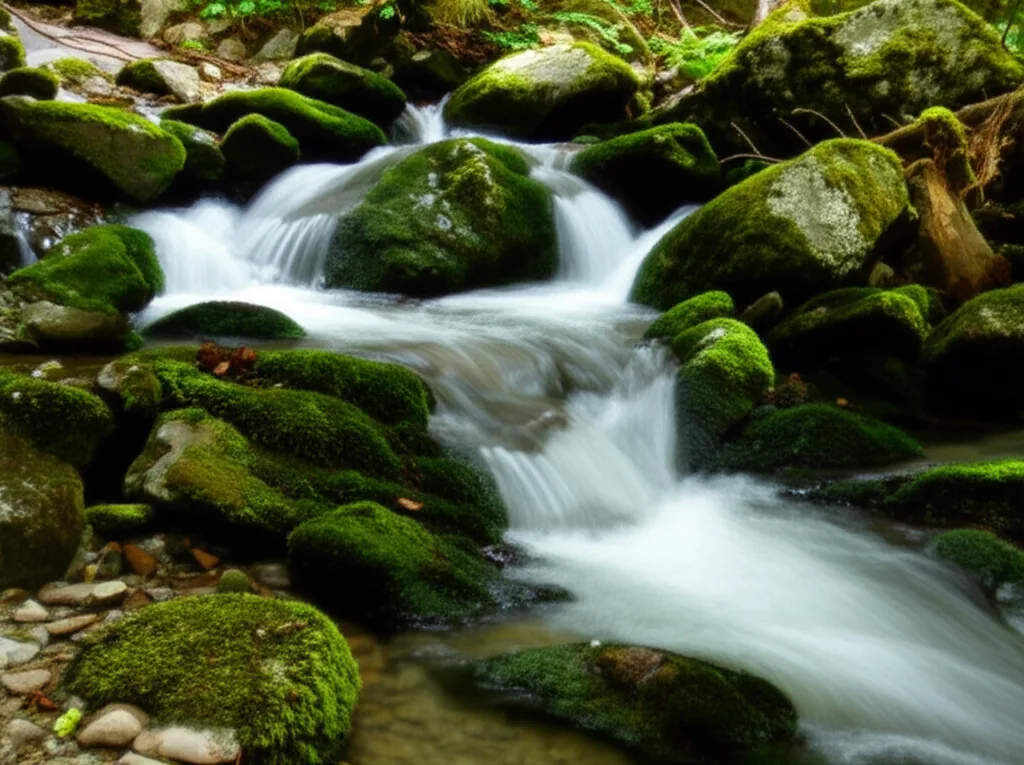 Gold Rush
 Georgia Gold Rush: The Full Story
A deep dive into Dahlonega's gold mines, the Chestatee River panning camps, the U.S. Mint branch, and how gold fever reshaped the politics and people of north Georgia.
Read guide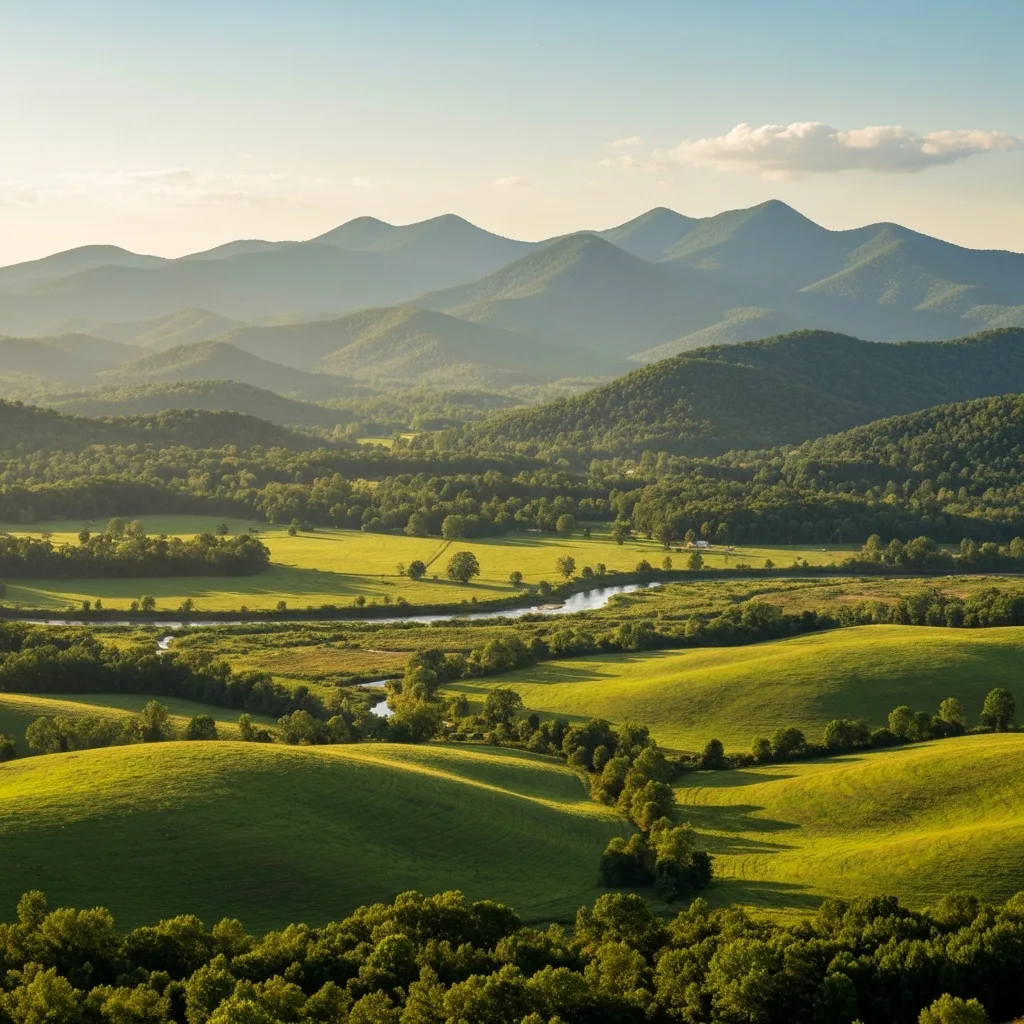 Nacoochee Valley
 Nacoochee Valley History
The breathtaking valley just south of Helen holds millennia of history - from the iconic gazebo-topped Indian mound to Hardman Farm, Nora Mill, and the Sautee-Nacoochee community.
Read guide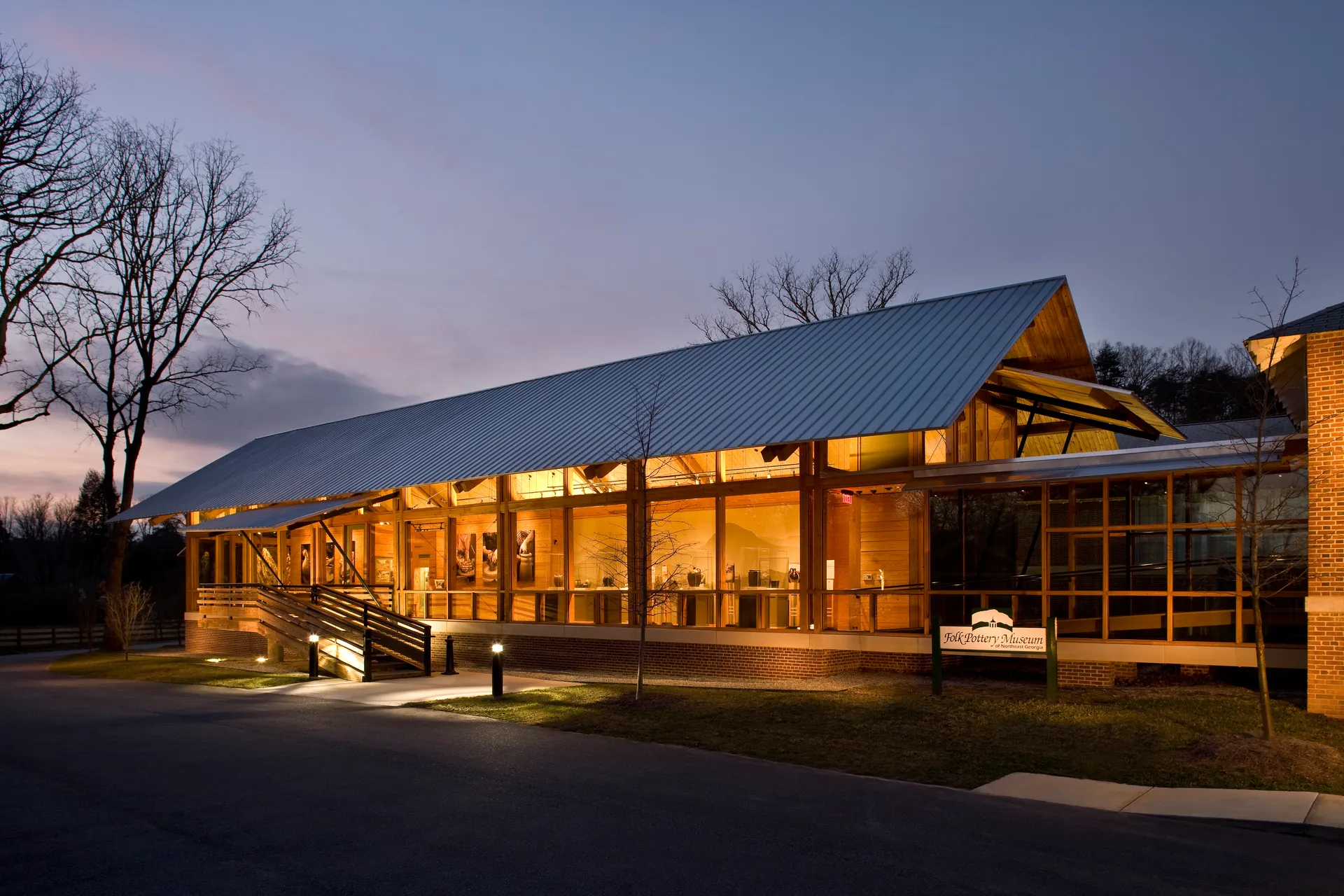 Nacoochee Valley
 Sautee Nacoochee
The historic community surrounding Helen with art galleries, the Folk Pottery Museum, Stovall Covered Bridge, and the Sautee Nacoochee Center's year-round cultural programming.
Read guide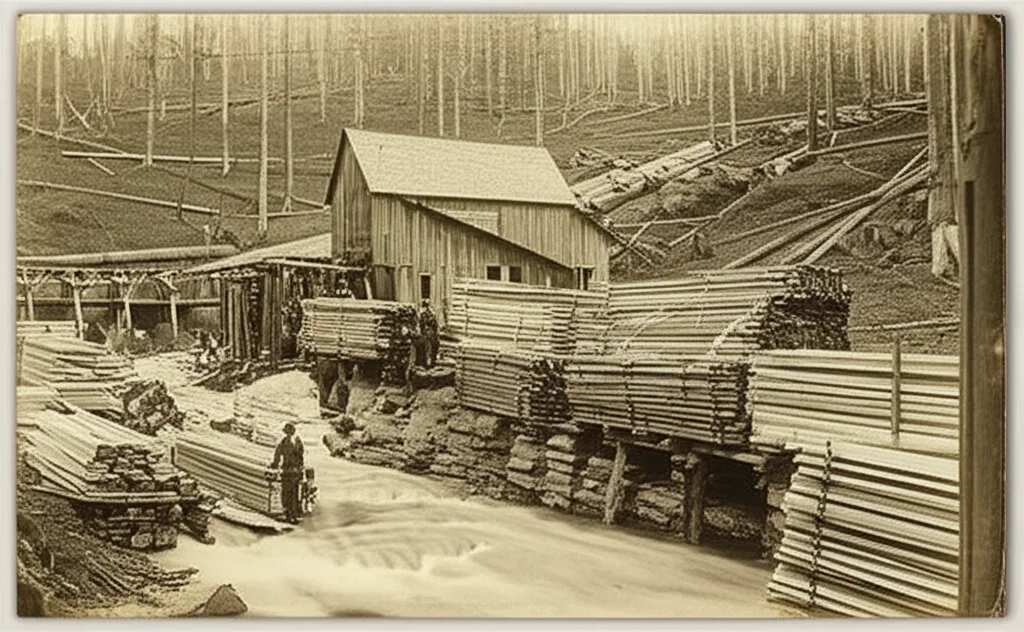 Industrial History
 The Lumber Era
From the 1890s through the 1930s, logging companies stripped the mountains bare and built Helen into a boomtown - then left it to fade. The rise and fall of a timber empire.
Read guide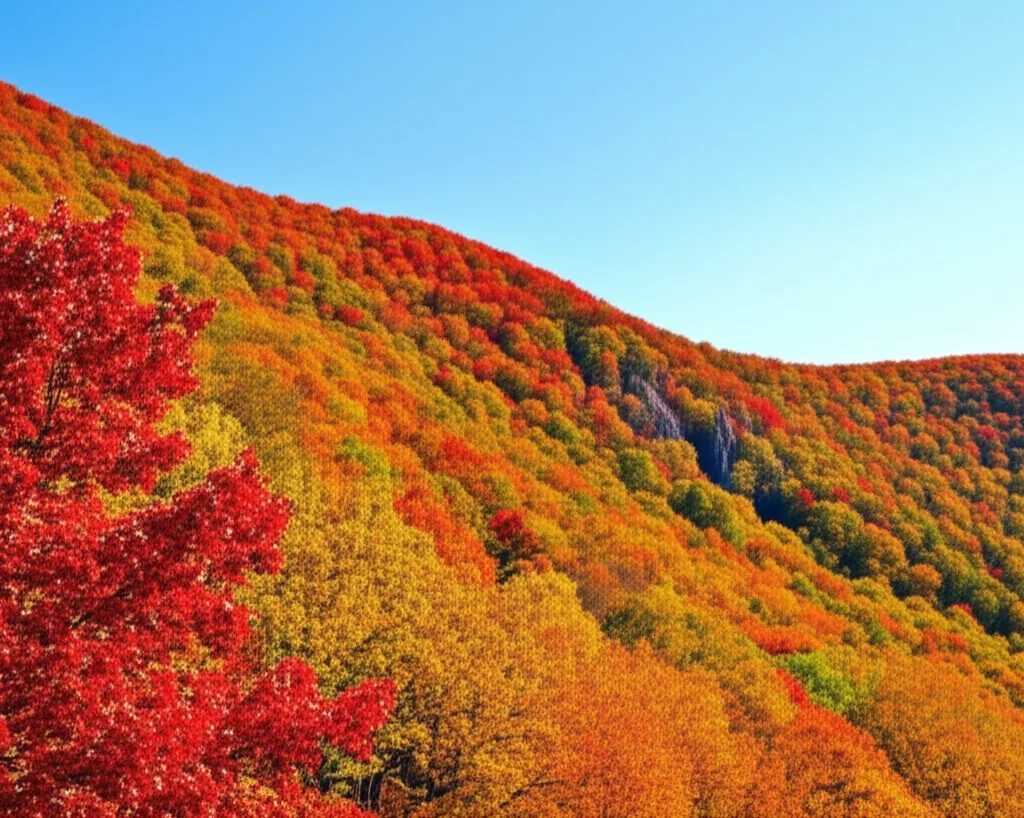 Industrial History
 Railroad History of North Georgia
Narrow-gauge railroads carved through these mountains to haul timber and connect remote communities. Trace the routes, depots, and engineering feats that opened up the Blue Ridge.
Read guide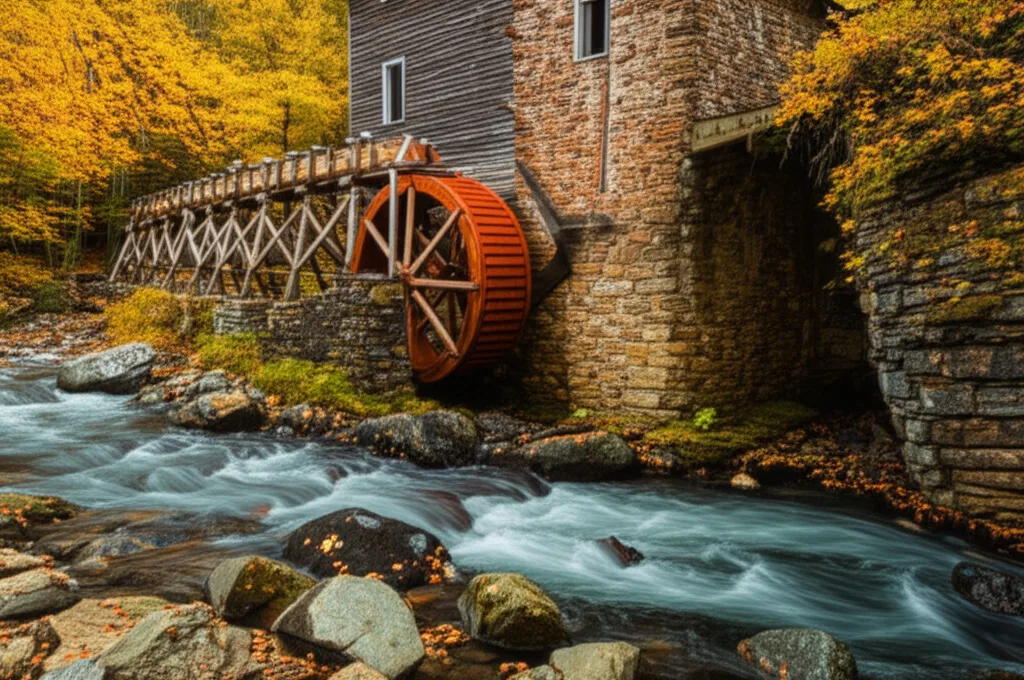 Landmarks
 Nora Mill Granary
Still grinding corn and wheat with a 36-inch French Buhr millstone since 1876, Nora Mill on the Chattahoochee is one of the oldest continuously operating gristmills in Georgia.
Read guide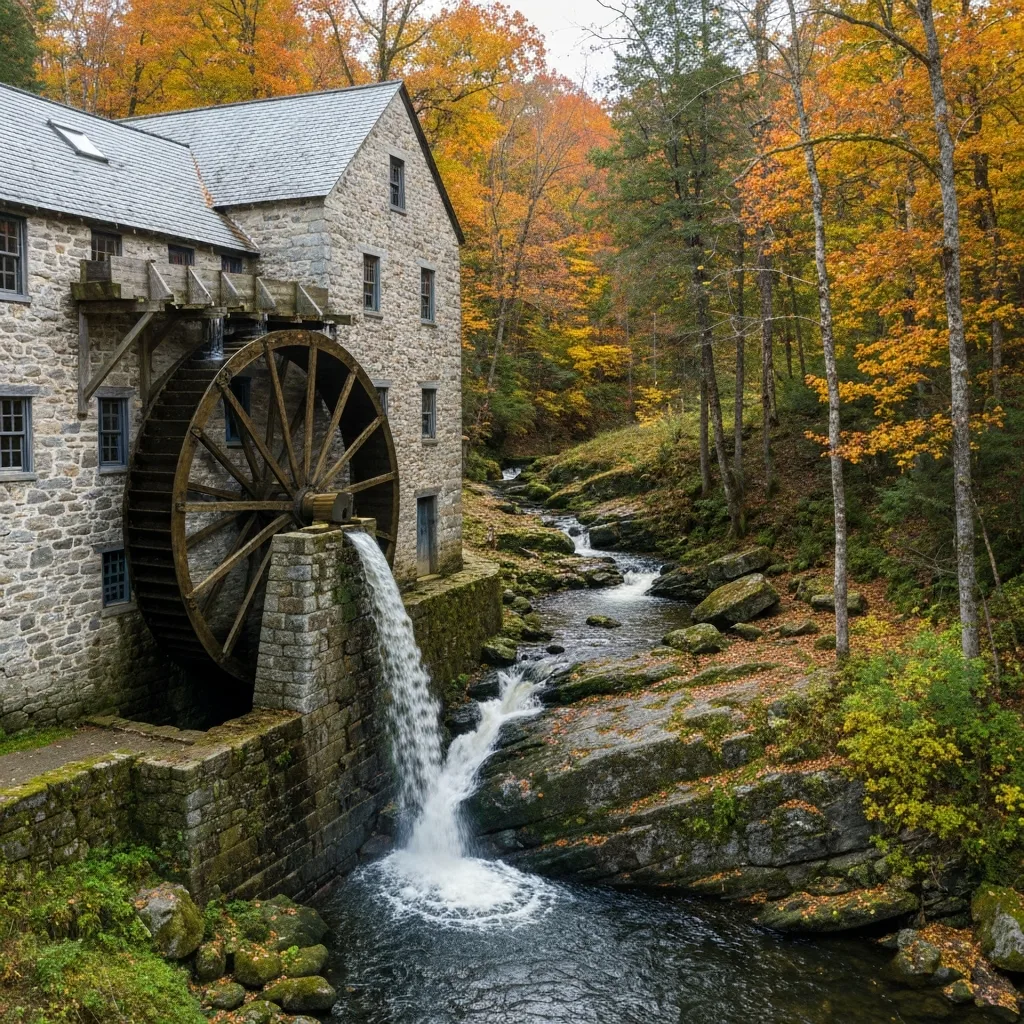 Landmarks
 Nora Mill: An In-Depth Look
The complete story of Nora Mill - from its founding by Dr. Lamartine Hardman to its iconic waterwheel, stone-ground products, and role as a living piece of Appalachian heritage.
Read guide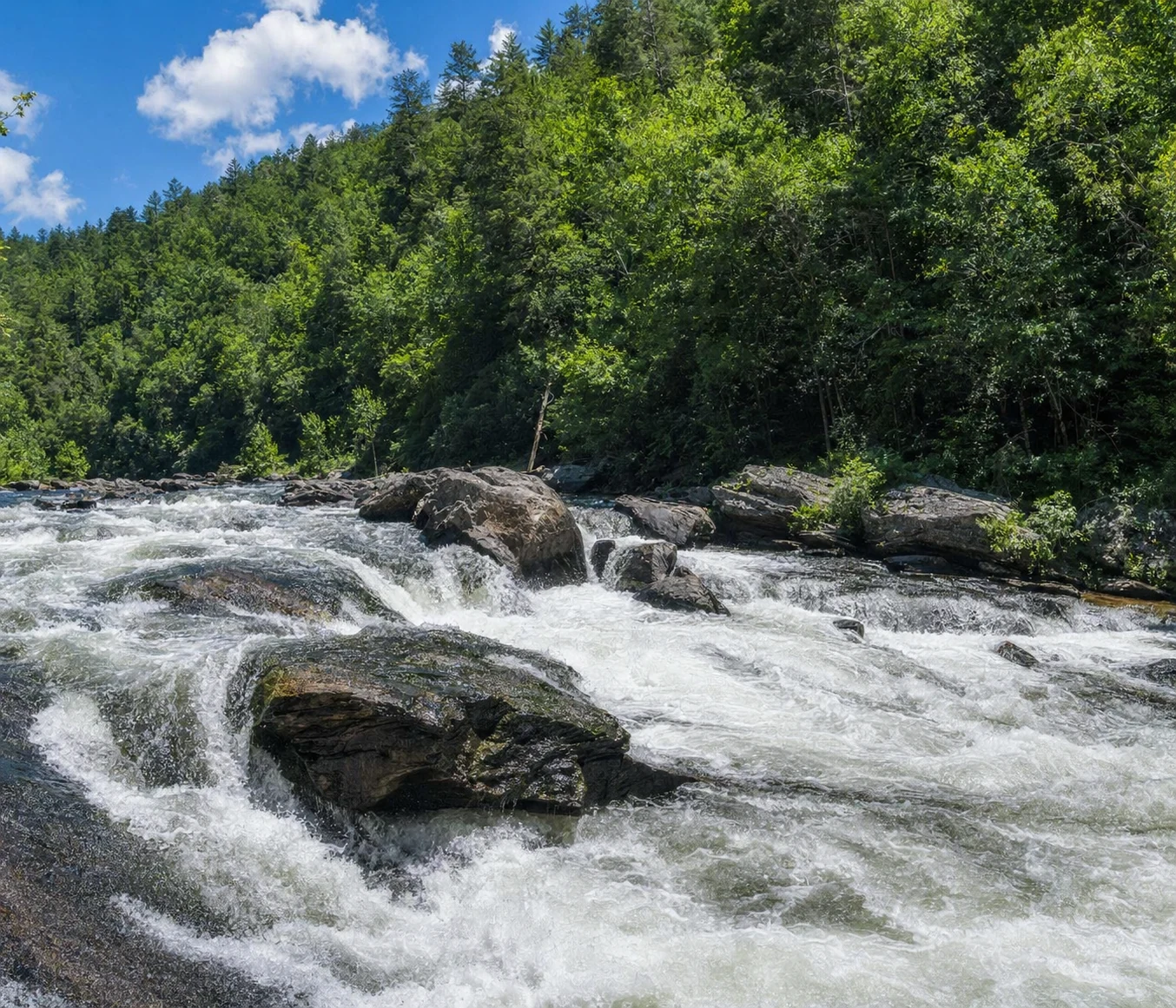 Arts & Crafts
 Mark of the Potter
Housed in an 1830s gristmill on the Soque River, Mark of the Potter is Georgia's oldest craft gallery. Watch resident potters throw clay while the river rushes beneath the floor.
Read guide Museums Foxfire Museum
Born from a high school English project in 1966, the Foxfire Museum preserves Appalachian self-sufficiency with over 20 historic log structures, blacksmithing demos, and seasonal programs.
Read guide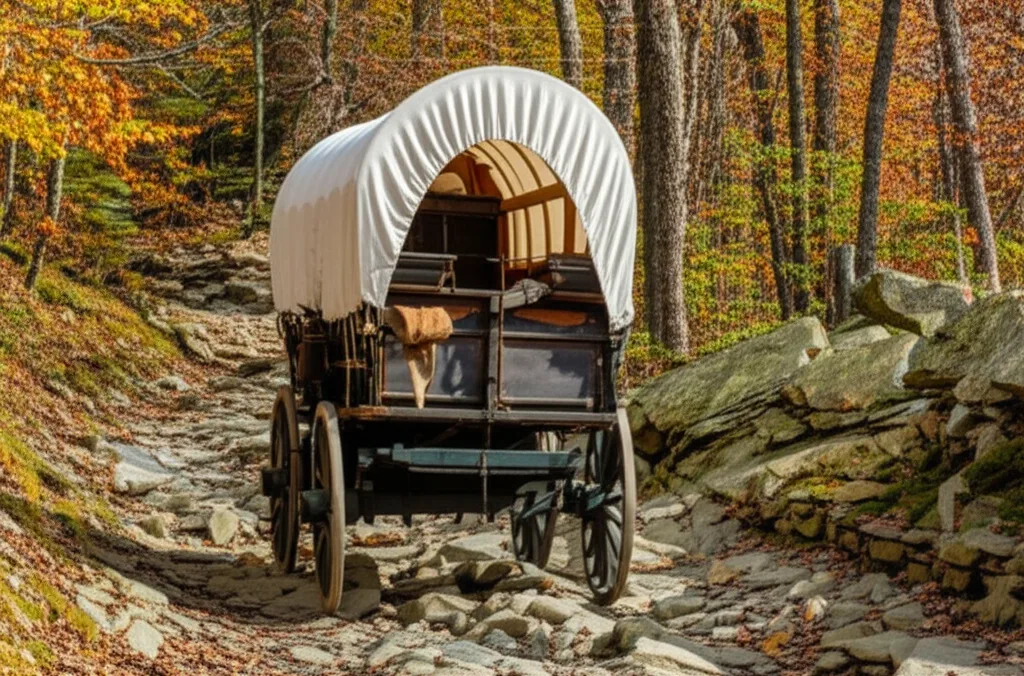 Museums
 Foxfire Museum: Deep Dive
The full Foxfire story - from Eliot Wigginton's classroom experiment to a national bestselling book series and a living museum complex that keeps mountain culture alive.
Read guide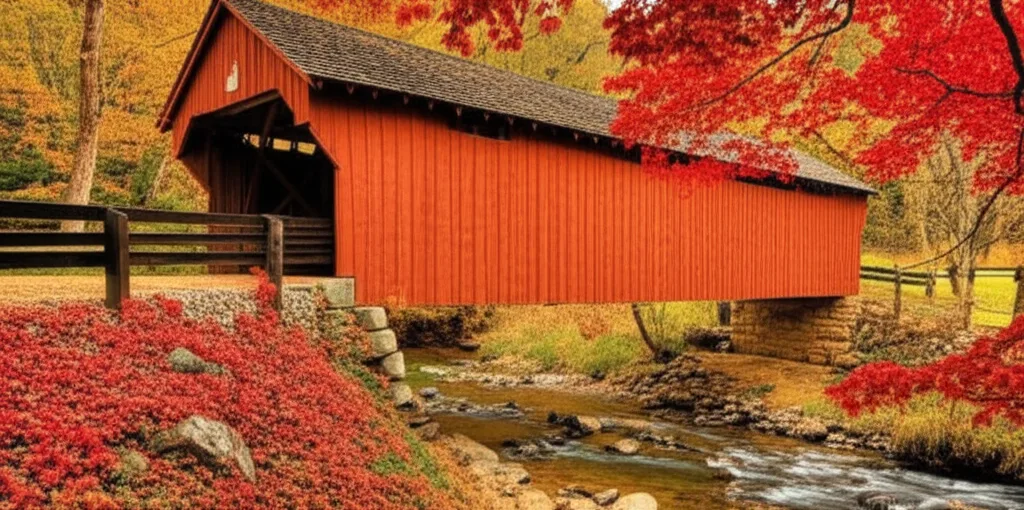 Landmarks
 Covered Bridges of Helen & North Georgia
Stovall Covered Bridge, the smallest covered bridge in Georgia, and other historic timber spans that dot the countryside around Helen - each with its own story and photo opportunity.
Read guide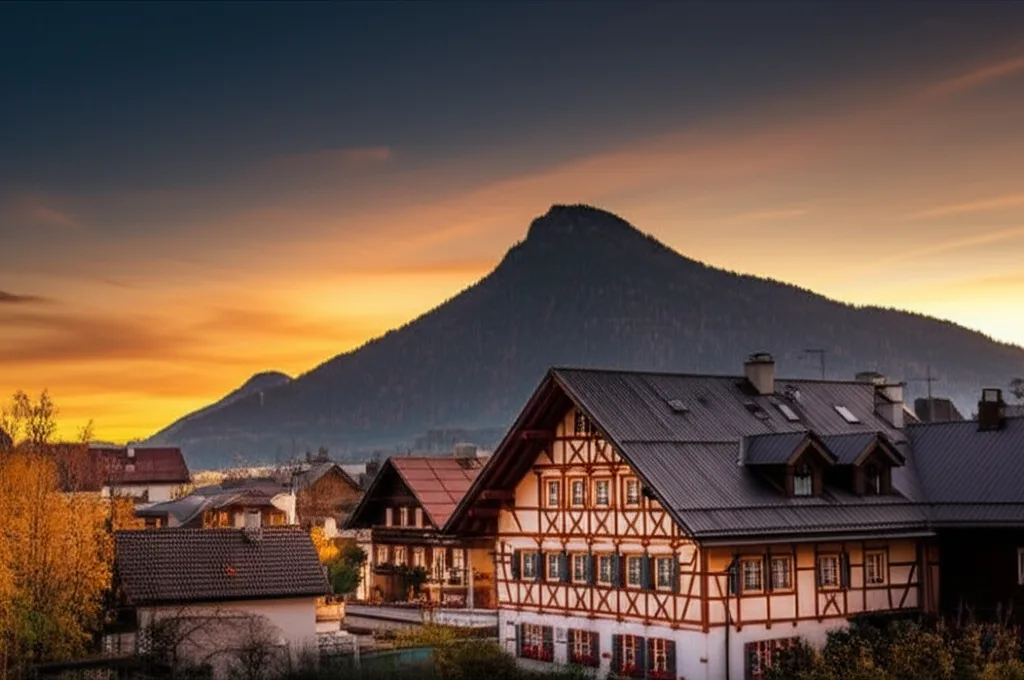 Arts & Crafts
 Appalachian Music Heritage
Fiddle tunes, banjo picking, and shape-note singing echo through these mountains. Discover the Celtic and African roots of Appalachian music and where to hear it live near Helen.
Read guide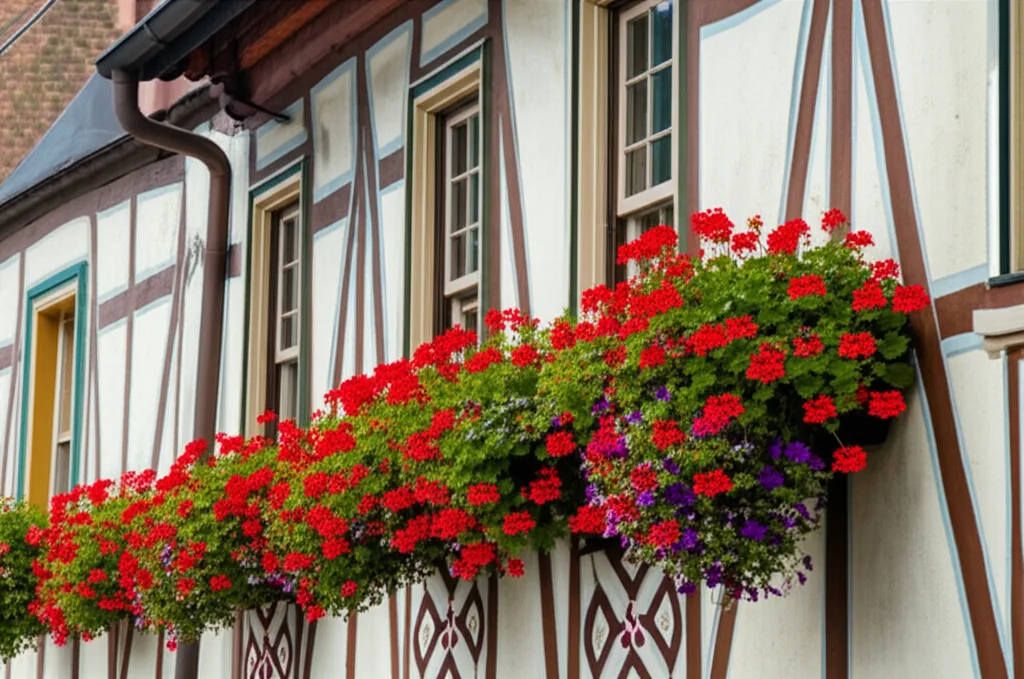 Arts & Crafts
 Helen Art Galleries
From watercolor landscapes to hand-thrown pottery and metalwork, Helen's galleries showcase Blue Ridge artists whose work captures the light, seasons, and spirit of these mountains.
Read guide Civil War Civil War in North Georgia
While the major battles raged farther south, the north Georgia mountains saw guerrilla warfare, Union raids, and divided loyalties that tore mountain communities apart.
Read guide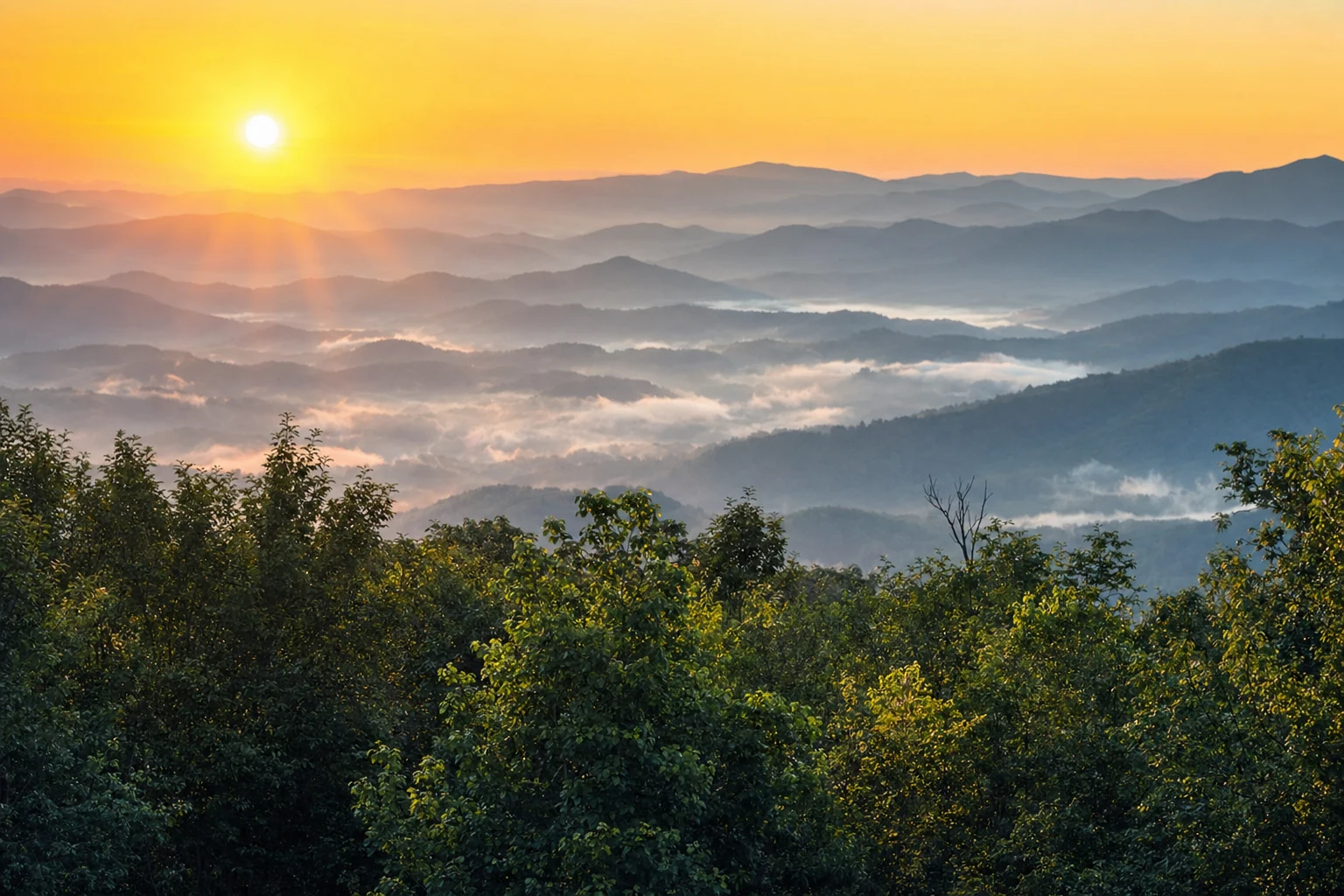 Military History
 Currahee Military History
Camp Toccoa and Currahee Mountain trained the legendary Band of Brothers paratroopers in WWII. The museum and mountain trail preserve the story of the 506th Parachute Infantry Regiment.
Read guide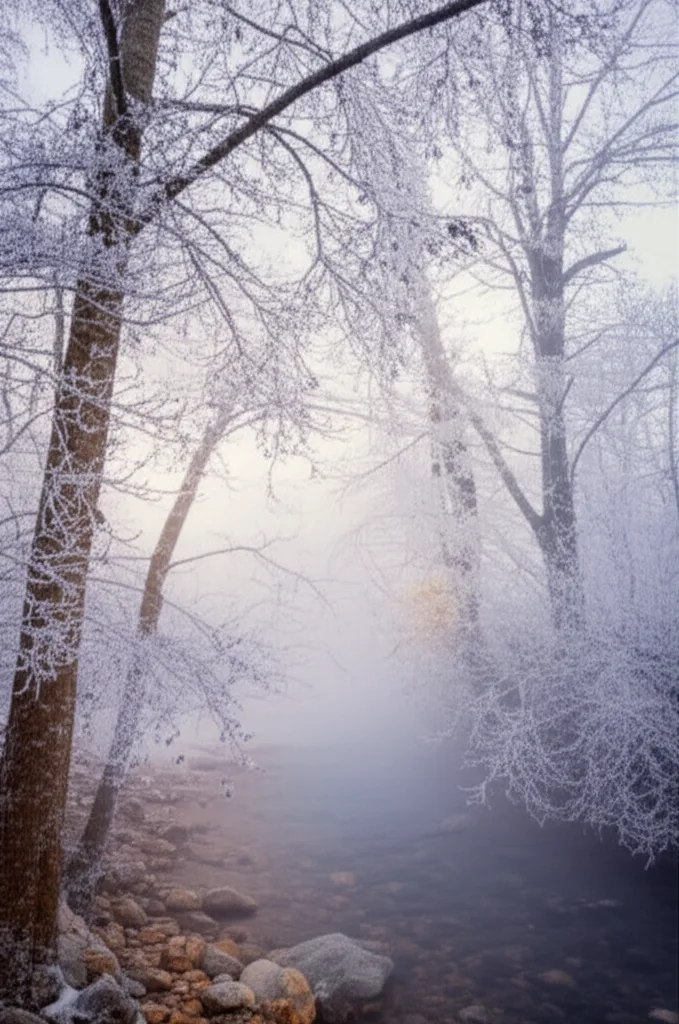 Industrial History
 Ghost Towns of North Georgia
Abandoned mining camps, vanished lumber towns, and forgotten settlements hidden in the forest - the haunting remnants of communities that once thrived in these mountains.
Read guide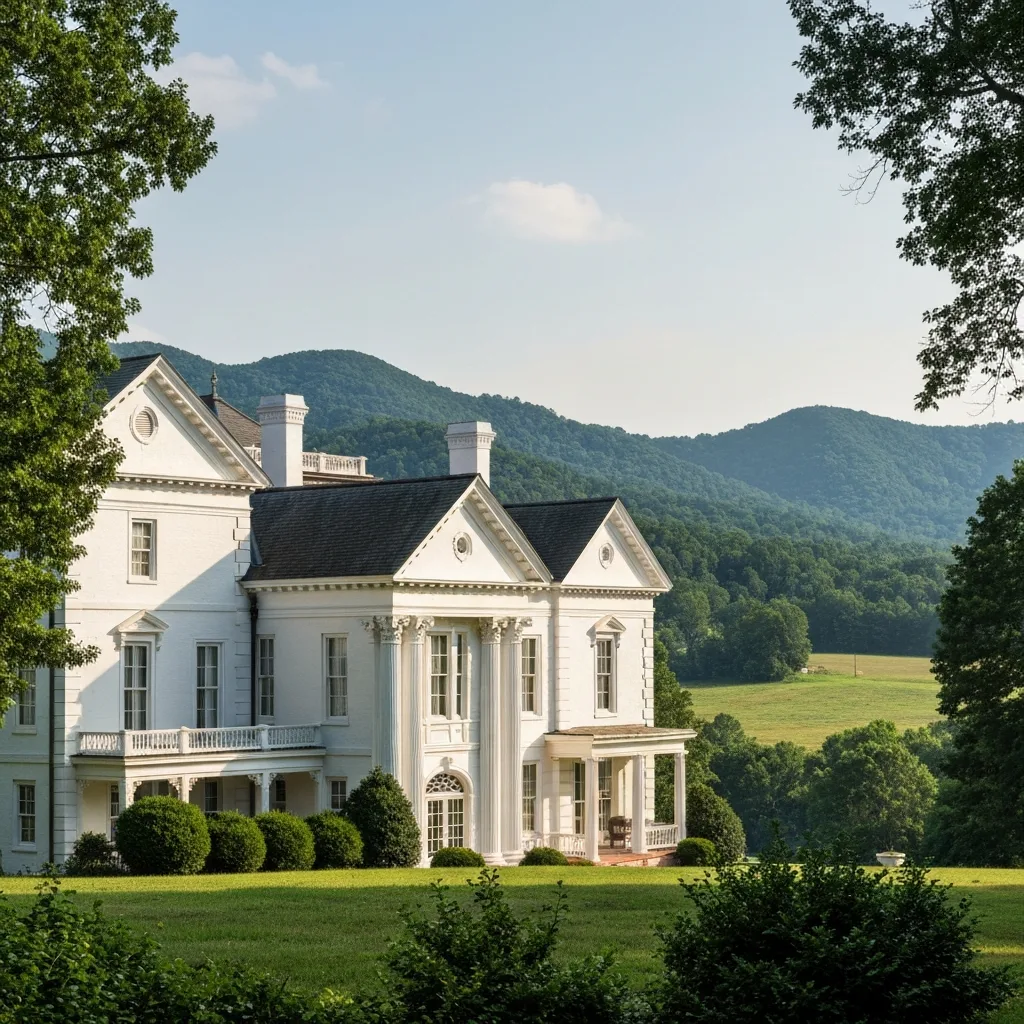 Landmarks
 Travelers Rest Historic Site
One of Georgia's oldest surviving structures, this 1815 stagecoach inn served as a plantation house, tavern, and post office along the old Unicoi Turnpike connecting the mountains to the lowlands.
Read guide Folklore
 Ghost Stories of North Georgia
Headless horsemen, phantom train whistles, and the Lady of Nacoochee Mound - the mountains around Helen harbor centuries of eerie legends rooted in real tragedy and folklore.
Read guideTips for History Lovers
Make the most of your exploration of Helen's historical and cultural landmarks.
Start at Nacoochee Mound
The Indian Mound on Highway 17 is a five-minute drive south of Helen and gives you immediate context for everything else. Pull into the small parking area, read the historical marker, and take in the valley view - it sets the stage for the deeper stories in every direction.
Combine Sites by Geography
Nora Mill, Hardman Farm, and the Nacoochee Mound are all within a mile of each other on Highway 17. Mark of the Potter and Stovall Covered Bridge are a short detour on Highway 255. Group nearby sites into a single morning or afternoon to save driving time.
Visit on Weekdays When Possible
Sites like the Foxfire Museum and Hardman Farm are much more enjoyable without weekend crowds. Weekday visits often mean more time with docents and demonstrators who can share stories you will not find on a placard. Some sites are closed on Mondays, so check hours in advance.
Where to Begin?
If this is your first visit and you want one experience that captures the spirit of Helen's history, drive to the Nacoochee Valley overlook, visit Nora Mill Granary, and walk through downtown imagining what John Kollock saw in 1968 when he sketched the Bavarian vision on a napkin. You will never look at those half-timbered buildings the same way again.
Continue Exploring Helen
More guides to complement your historical journey.