Wildlife of the Blue Ridge
From black bears to brook trout - the mountains around Helen teem with remarkable wildlife
The Blue Ridge Mountains surrounding Helen, Georgia harbor one of the richest and most diverse wildlife communities in the eastern United States. The Chattahoochee National Forest, which encompasses much of the land around Helen, provides hundreds of thousands of acres of protected habitat for a remarkable variety of mammals, birds, fish, reptiles, and amphibians. Whether you are an experienced naturalist or a casual visitor who simply enjoys seeing animals in their natural setting, the Helen area offers abundant opportunities for wildlife observation throughout the year.
The diversity of wildlife near Helen is a product of several factors: the extensive forest cover, the abundance of clean water in the form of rivers, streams, and lakes, the range of elevations from 1,400 to over 4,400 feet, and the relatively low density of human development in the surrounding national forest and state parks. The result is a landscape where large mammals like black bears and white-tailed deer coexist with hundreds of bird species, world-class trout populations, and the highest diversity of salamander species found anywhere on Earth.
Mammals
Large and small creatures of the mountain forest
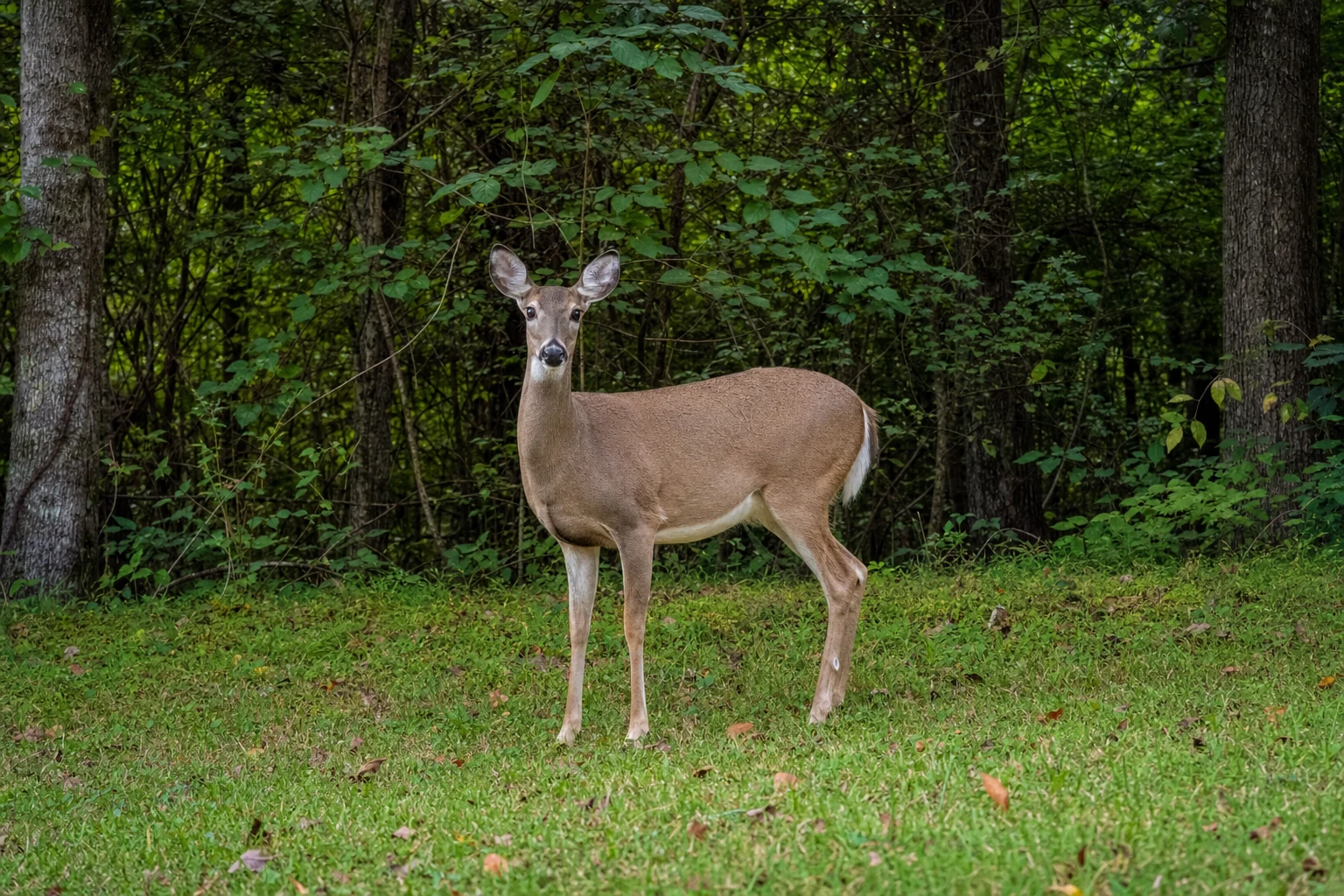
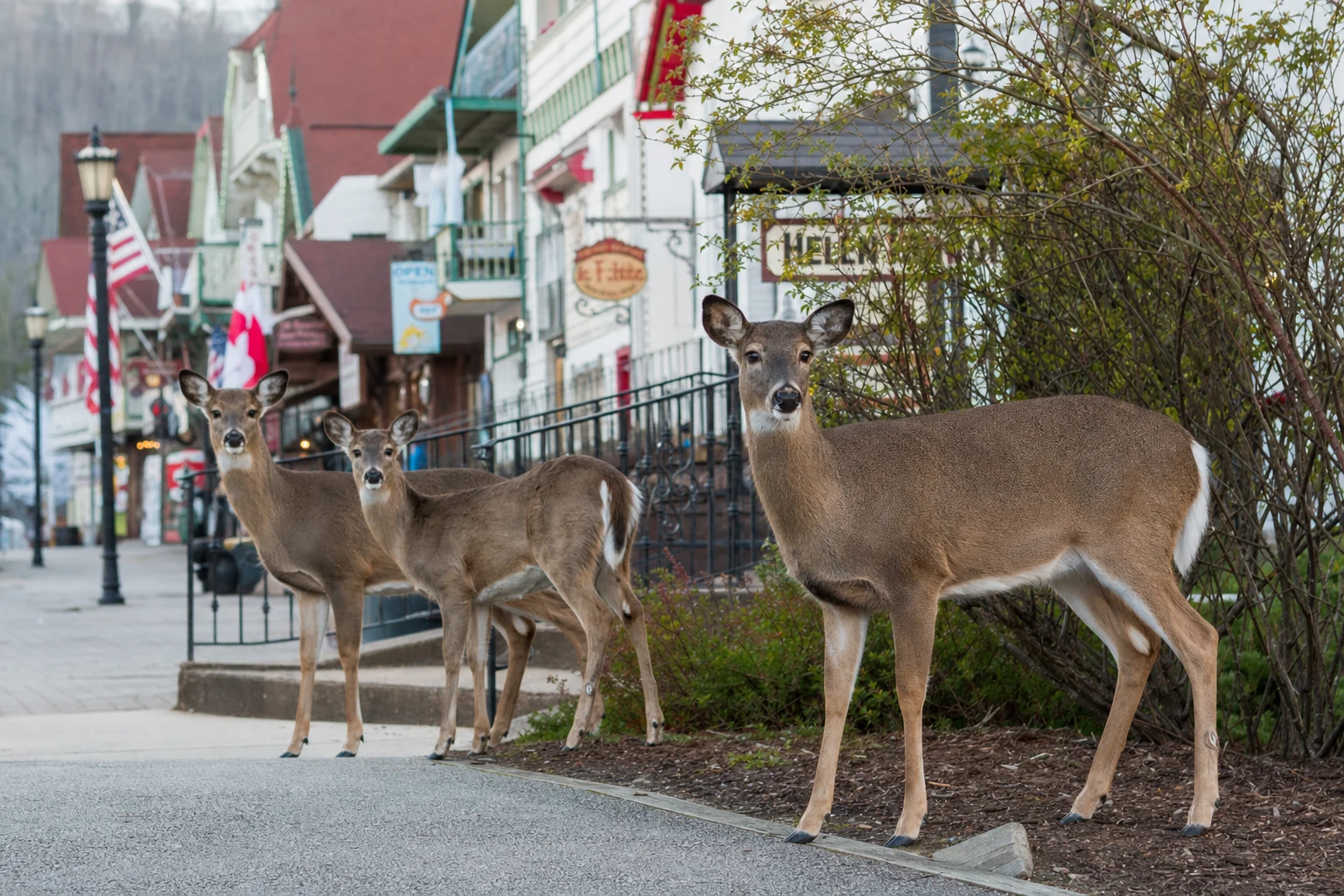
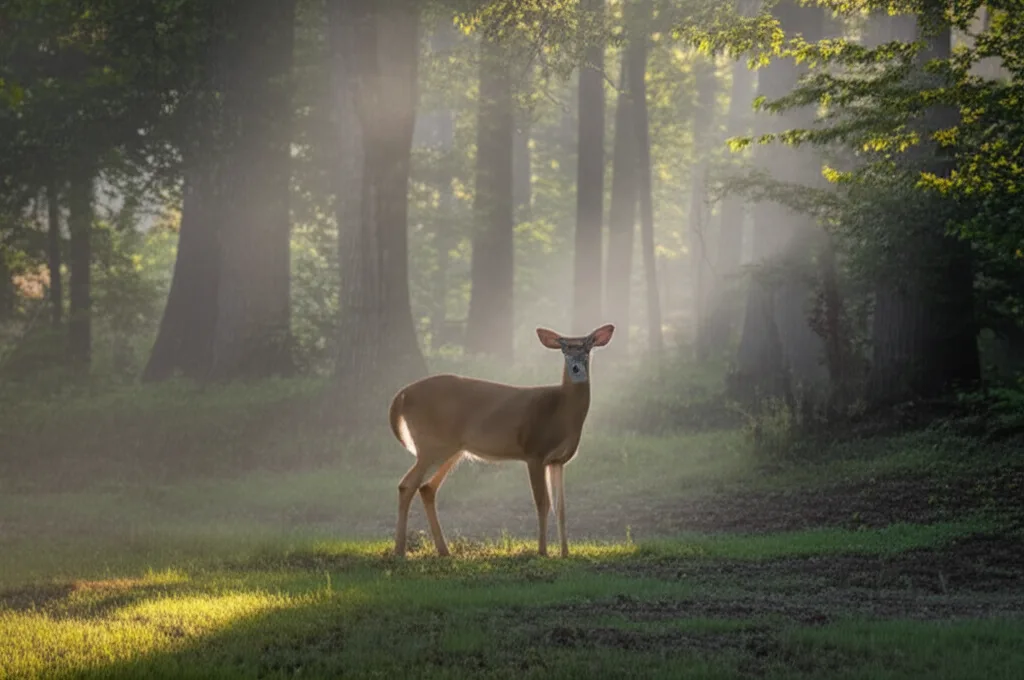
White-tailed deer are the most commonly seen large mammals in the Helen area. They inhabit the edges of forests and meadows throughout the region and are frequently spotted in the early morning and late evening hours, particularly in the open areas of Unicoi State Park, along the Helen to Unicoi Trail, and in the meadows around Smithgall Woods. During the fall rut (October through November), bucks can sometimes be seen sparring, and throughout the year does are often accompanied by spotted fawns from late spring through summer.
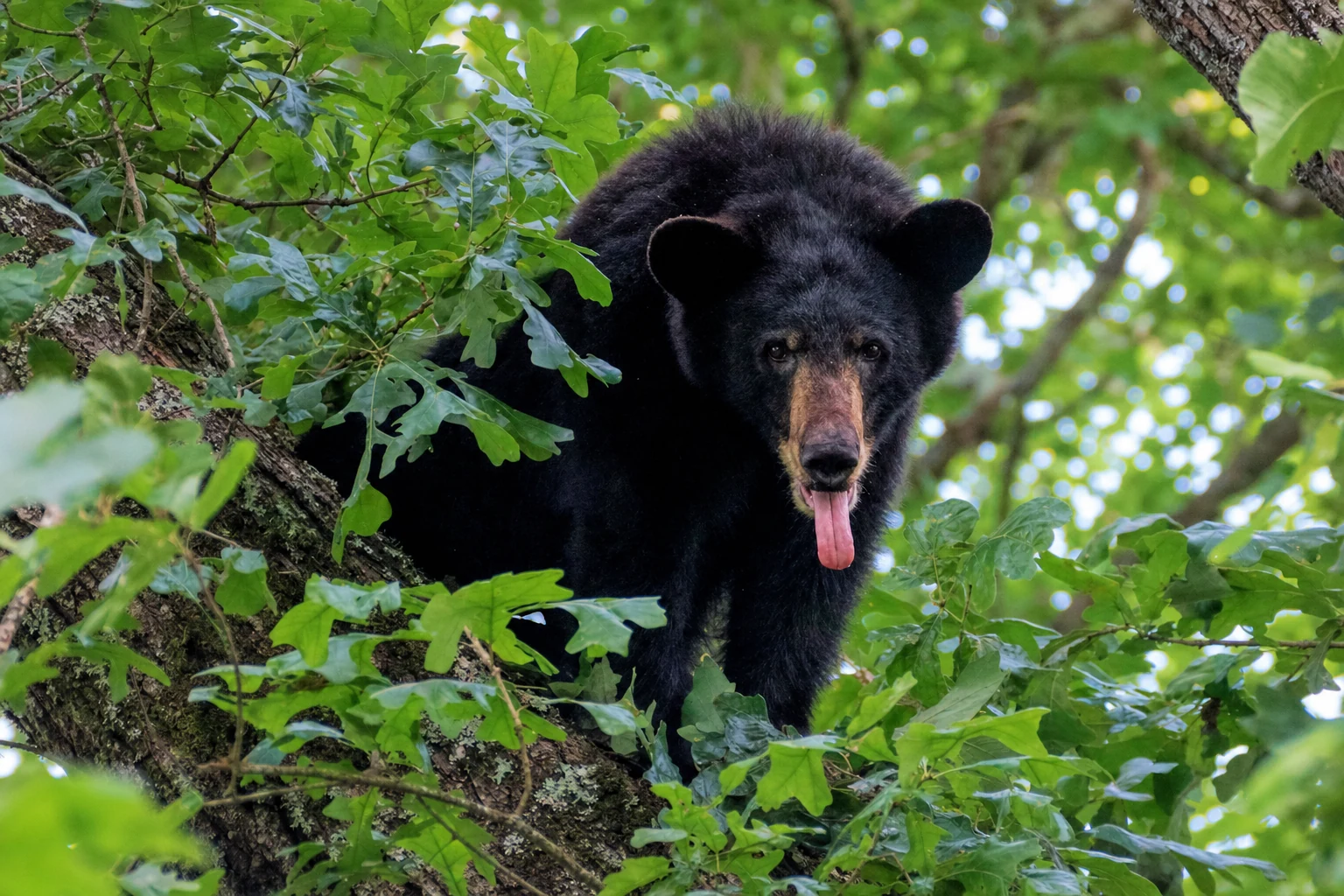
American black bears are present throughout the mountains around Helen, though sightings are less common than many visitors expect. The bears in this area are generally shy and avoid human contact, but they are attracted to food sources and can occasionally be seen near campgrounds, dumpsters, and apple orchards. The bear population in the north Georgia mountains has been growing steadily, and visitors should take standard bear precautions: store food in bear-proof containers when camping, never approach or feed bears, and keep a clean campsite. If you encounter a bear on a trail, make noise, back away slowly, and give the animal space.
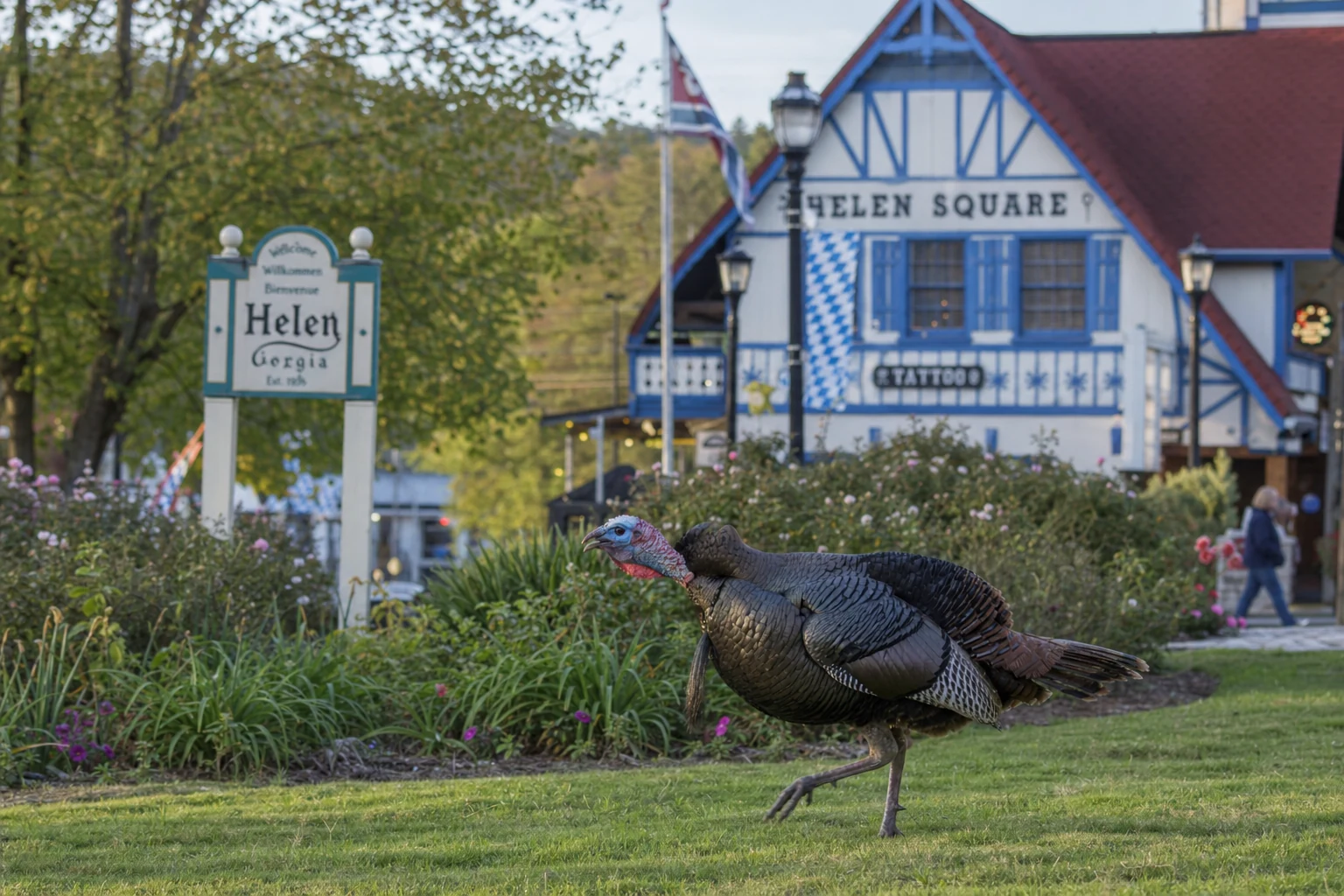
Wild turkeys are abundant in the Helen area and are frequently seen foraging in small flocks along roadsides and in forest clearings. Their distinctive gobbling calls are a hallmark of spring mornings in the mountains. Other mammals include gray and red foxes, eastern cottontail rabbits, groundhogs, raccoons, opossums, skunks, and the occasional bobcat - though the latter is secretive and rarely seen. River otters have been reintroduced to some streams in north Georgia and are an exciting, if uncommon, sight along the larger waterways.
Trout & Freshwater Fish
Cold mountain streams and world-class fishing
The cold, clean streams of the Helen area support some of the finest trout populations in the southeastern United States. Three species of trout are found in the local waters: rainbow trout, brown trout, and the native brook trout. Rainbow and brown trout are stocked by the Georgia Department of Natural Resources in the Chattahoochee River through Helen and in several other area streams, providing excellent fishing opportunities for visitors. The upper reaches of smaller tributaries and headwater streams support wild populations of all three species, with native brook trout found in the highest, coldest streams where they have survived since the last ice age.
Dukes Creek, flowing through Smithgall Woods State Park, is considered one of the premier trout streams in Georgia. It is managed as a catch-and-release, artificial-lures-only fishery, and the wild and stocked trout there grow to impressive sizes in the nutrient-rich water. The Chattahoochee River above Helen also offers excellent trout fishing, though the heavily tubed section through downtown is best fished early in the morning or late in the evening when recreational use is minimal.
Birds
A birdwatcher's paradise in the mountain forest
The Helen area is home to more than 150 species of birds, making it a rewarding destination for birders of all experience levels. The diversity of habitats - from streamside corridors to deep forest to high-elevation ridgelines - supports an exceptional range of species. Spring and early summer (April through June) is the peak season for birding, when migratory songbirds return to breed and the forest fills with their songs.
Among the most sought-after species are the neotropical migrants that breed in the mountain forests: black-throated blue warblers, black-throated green warblers, hooded warblers, ovenbirds, wood thrushes, and scarlet tanagers. The Louisiana waterthrush, which nests along mountain streams, is a characteristic species of the waterfall trails. Raptors include red-tailed hawks, broad-winged hawks (spectacular in fall migration), Cooper's hawks, and both barred and great horned owls. Woodpeckers are well-represented, with pileated, red-bellied, downy, and hairy woodpeckers all present year-round.
Winter brings its own birding rewards. Mixed flocks of chickadees, titmice, nuthatches, brown creepers, and golden-crowned kinglets move through the forest in active, chattering groups. Red crossbills and pine siskins may appear in irruption years. The Christmas Bird Count data for the Helen area consistently shows impressive species diversity, reflecting the quality of the habitat and the range of elevations available to wintering birds.
Salamanders
The salamander capital of the world
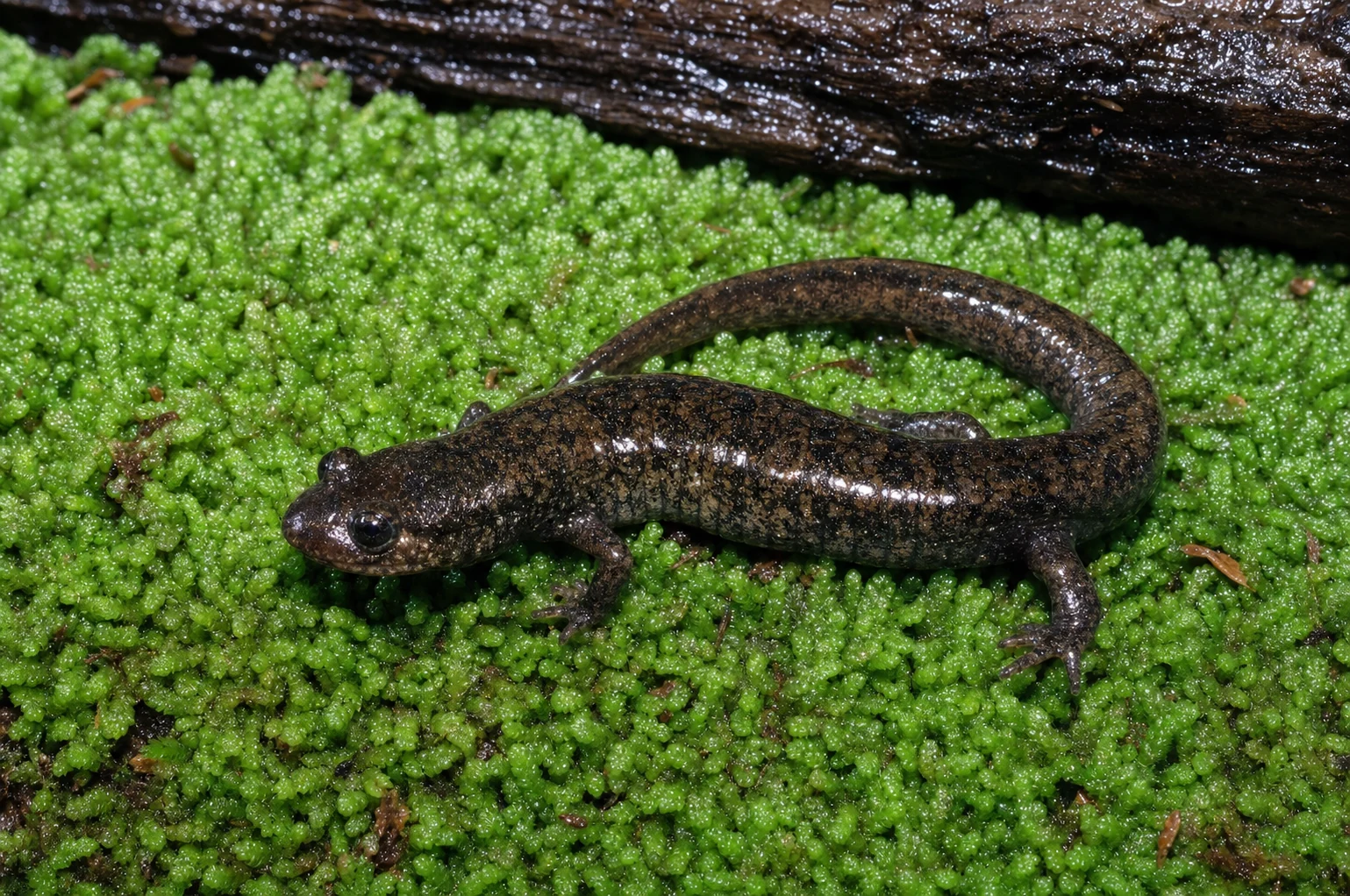
The Southern Appalachian Mountains are famously known as the "salamander capital of the world," and the forests and streams near Helen are home to an astonishing diversity of these amphibians. Dozens of species inhabit the region, from the tiny, jewel-like Blue Ridge two-lined salamander found along stream margins to the impressive hellbender - North America's largest salamander, which can reach over two feet in length and lives in the coldest, cleanest mountain streams.
Salamanders are most easily observed during and after rain, when they emerge from beneath rocks, logs, and leaf litter to forage. The moist sections of hiking trails, especially those near streams, are prime salamander habitat. Spring is the best time for observation, when many species are breeding. The diversity of salamanders in the Helen area is a powerful indicator of environmental health - these sensitive amphibians require clean water and intact forest habitat, and their abundance here reflects the exceptional quality of the mountain ecosystem.
Photo Gallery
Wildlife of the Blue Ridge Mountains
White-tailed deer are the most commonly spotted mammals
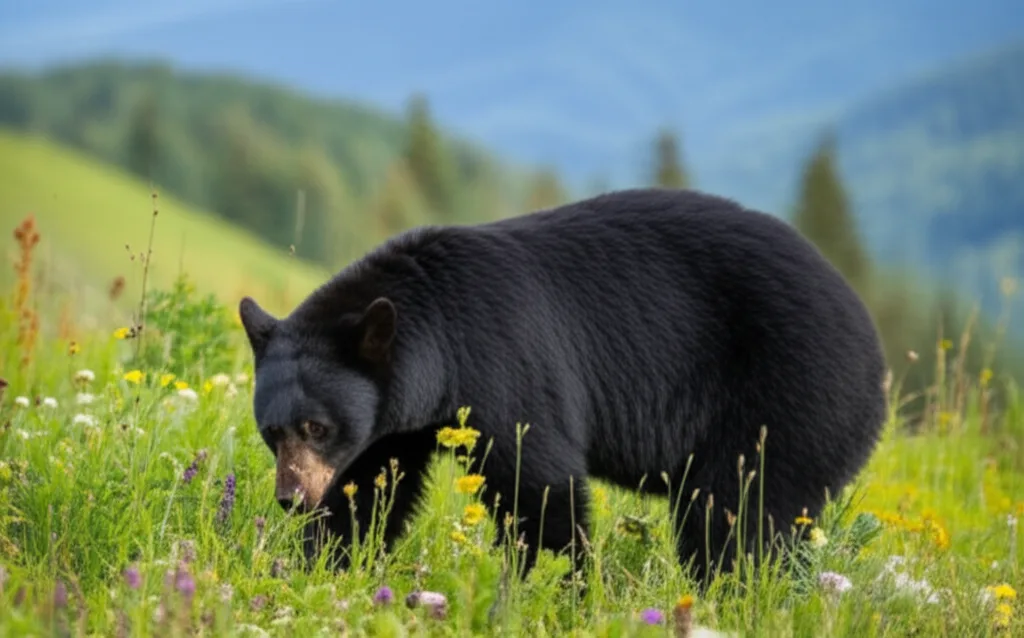
Black bears inhabit the mountains but generally avoid humans
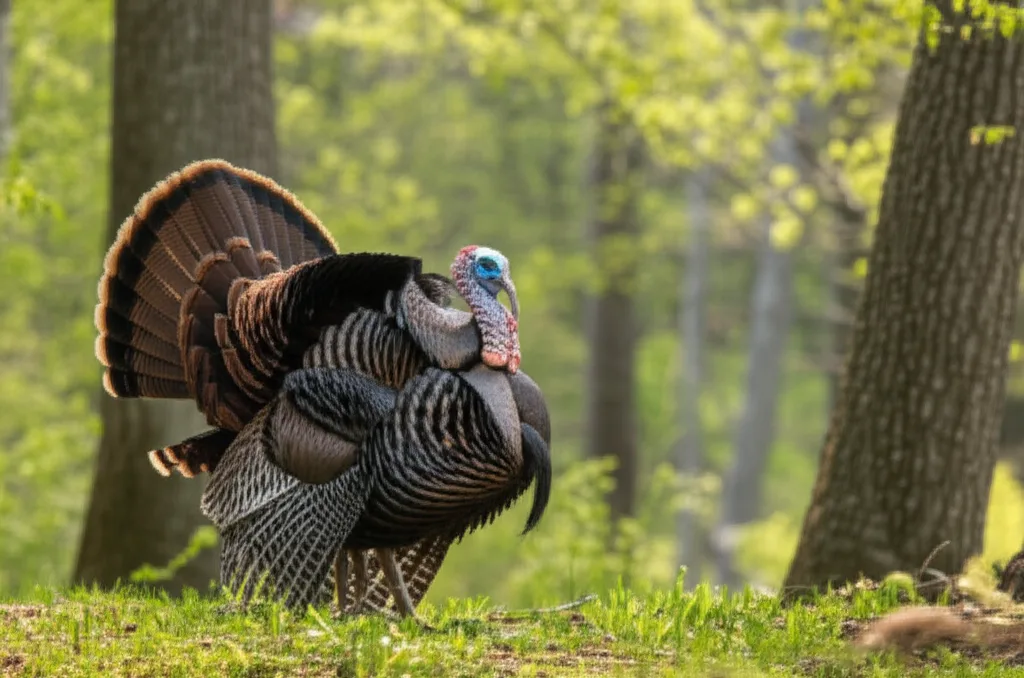
Wild turkeys are abundant and frequently seen along roadsides
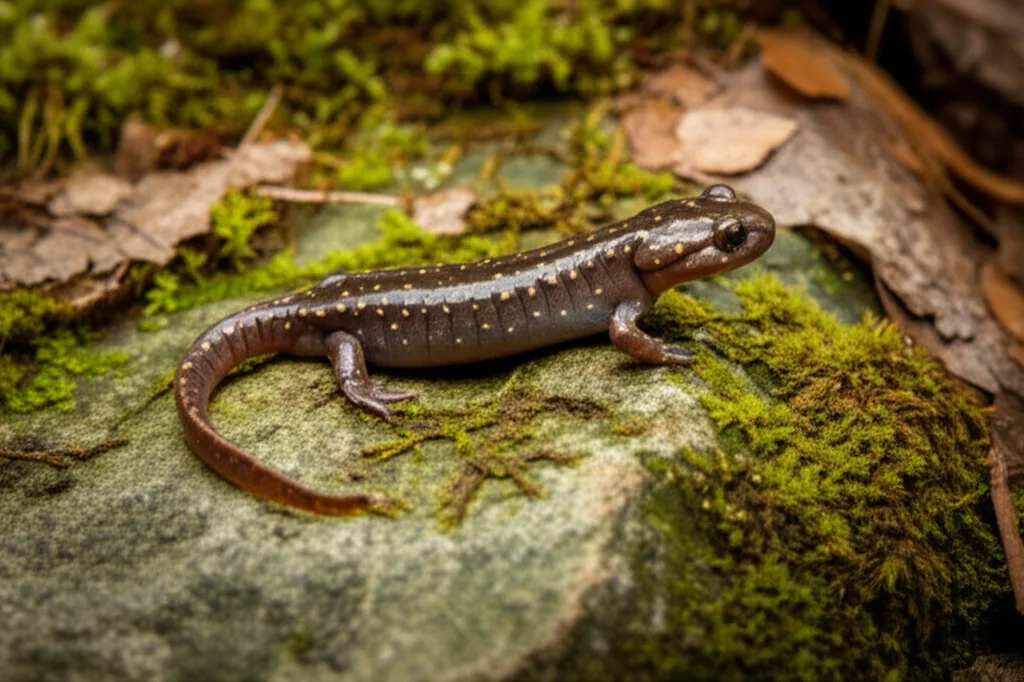
The Southern Appalachians are the salamander capital of the world
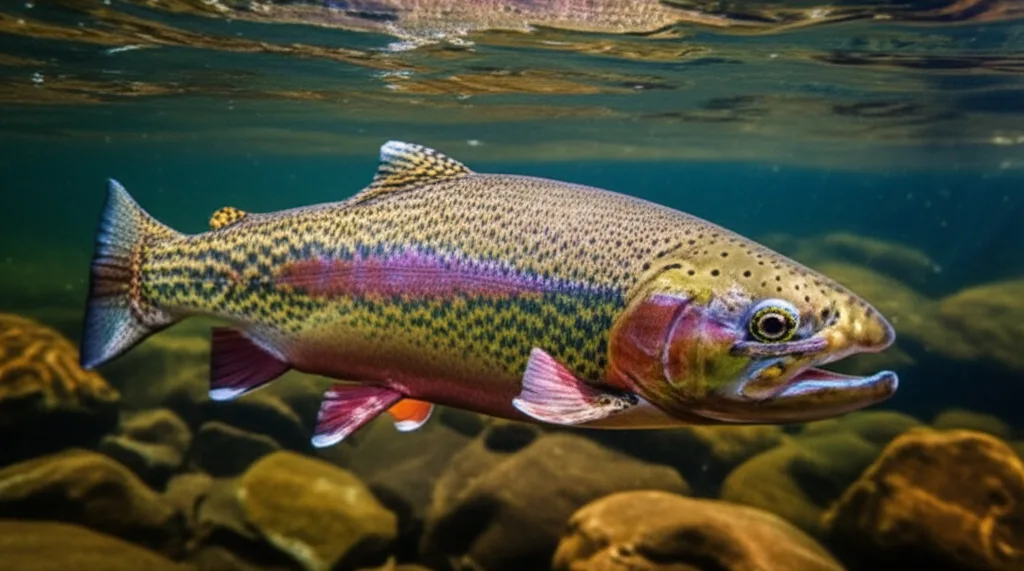
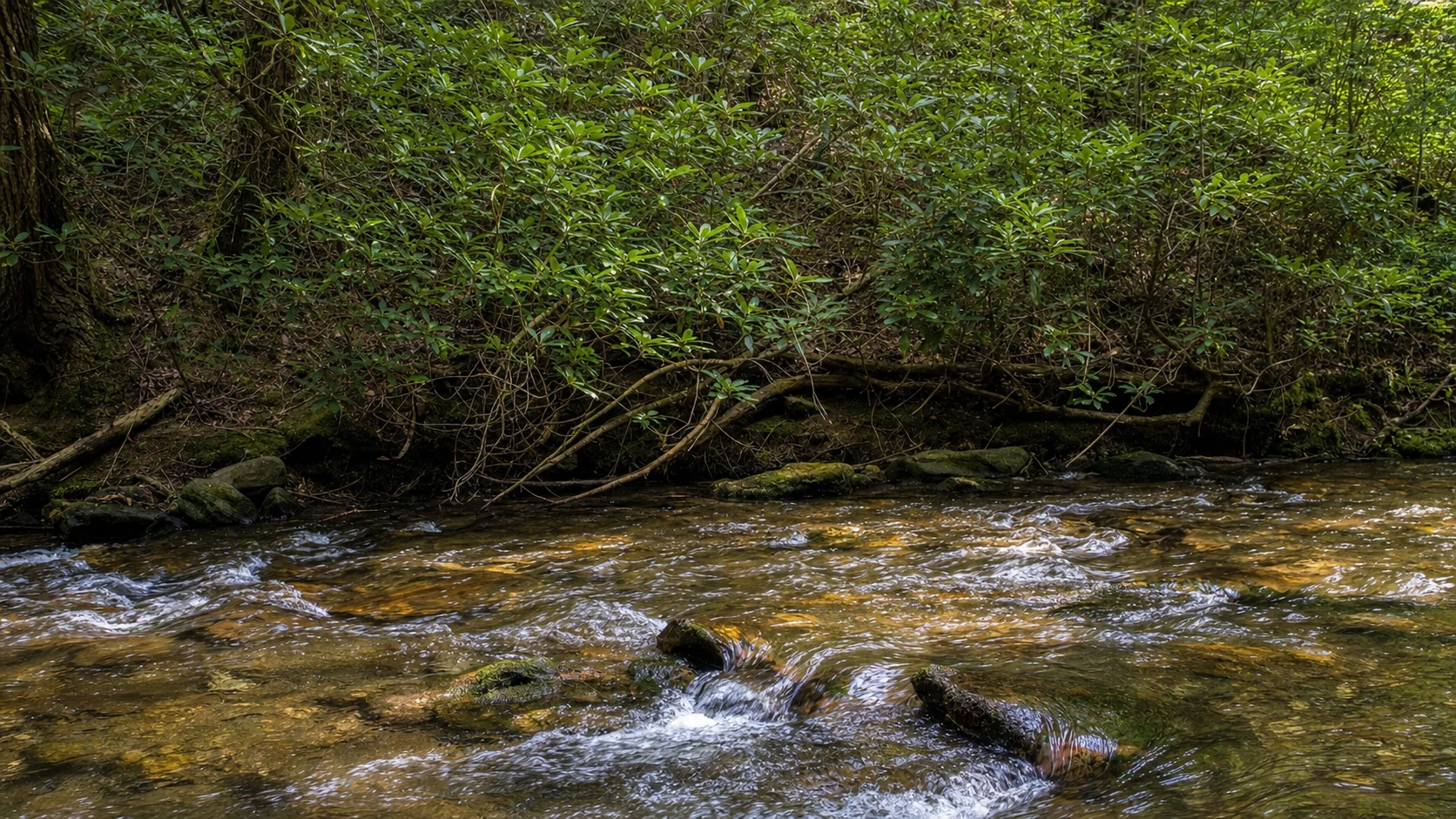
Cold mountain streams support world-class trout populations
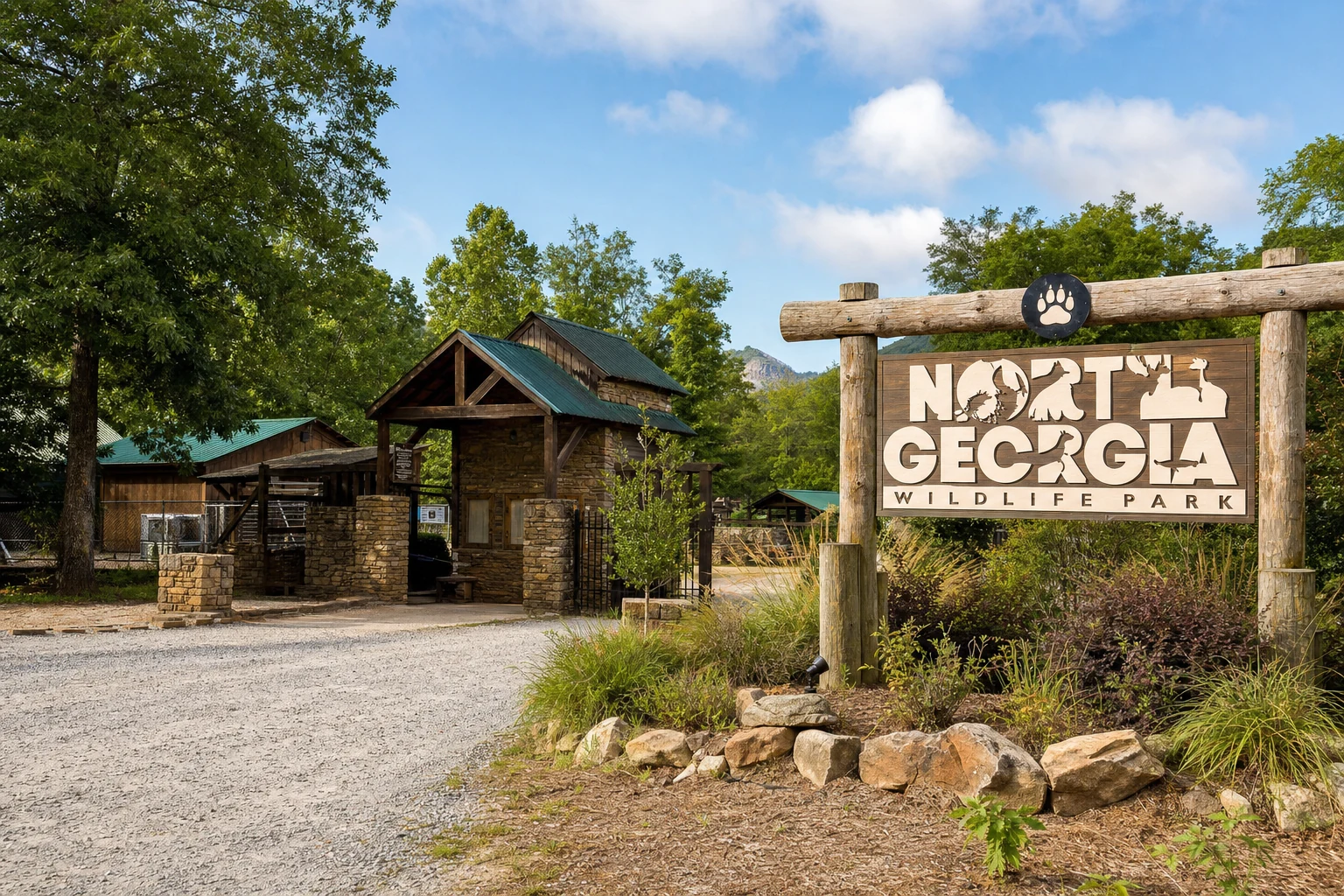
North Georgia Wildlife Park
Educational wildlife encounters near Helen
For visitors who want guaranteed wildlife encounters, the North Georgia Wildlife Park near Helen offers educational experiences with both native and exotic animals. The park provides opportunities to see and learn about species that inhabit the local mountains as well as animals from other parts of the world. It is a particularly popular attraction for families with children who may not have the patience for quiet wildlife observation on the trails. The park's educational programs help visitors understand the ecology and conservation challenges facing wildlife in the Blue Ridge Mountains and beyond.
Wildlife Viewing Tips
Maximize your chances of sightings
Dawn & Dusk
Most mammals are active at dawn and dusk. Visit trails early in the morning or in the hour before sunset for the best chance of deer, turkey, and fox sightings.
Be Quiet & Patient
Move slowly, speak softly, and stop frequently to watch and listen. Many animals will reveal themselves if you give them time to forget you are there.
Bring Binoculars
Essential for birdwatching and for observing wildlife at a safe distance. A quality pair of 8x42 binoculars is ideal for forest environments.
Keep Your Distance
Never approach, feed, or corner wild animals. Use a telephoto lens for photography. Black bears should be given at least 100 yards of space.