From Cherokee Valley to Bavarian Village
The full story of how Helen, Georgia became the alpine town it is today, from ancient trails to the 1969 makeover.
The Long Story of Helen, Georgia
Helen, Georgia, went from Cherokee heartland to resource boomtown to fading lumber village before its 1969 Bavarian rebirth. The Chattahoochee River valley's natural riches and a handful of visionary locals - Pete Hodkinson, Jimmy Wilkins, artist John Kollock - made the difference at every turn. Located in White County in the North Georgia Blue Ridge Mountains, this small city incorporated in 1913 with just 176 residents. Today it draws millions of visitors a year as Georgia's third-most-visited destination.
Cherokee Settlement: Ancient Roots in the Valley
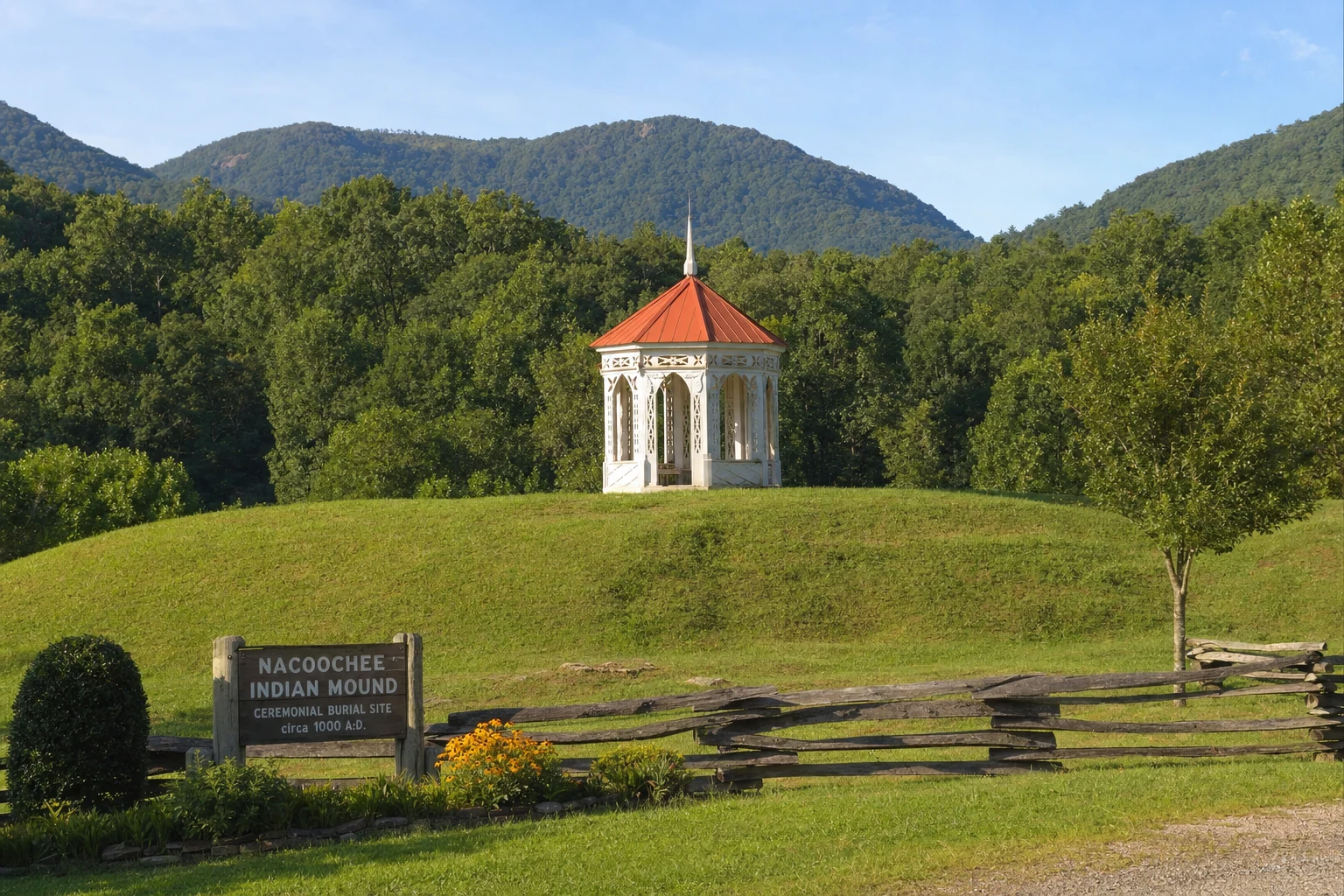
Long before European contact, the Nacoochee and Sautee valleys were a center of Cherokee life. Villages dotted the landscape, with ceremonial mounds, four identified in Nacoochee Valley, topped by townhouses for councils and rituals. These were sophisticated societies tied to the Chattahoochee River for fishing, farming corn and beans, and hunting in the surrounding forests.
In 1813, the Cherokee approved the Unicoi Turnpike, a vital wagon road from Savannah River headwaters through Helen's valleys toward Tennessee via today's Highways 17 and 75, facilitating trade but foreshadowing encroachment. This ancient Native trail, over 1,000 years old, connected Tennessee, North Carolina, and Georgia, carrying deerskins and goods; remnants whisper through hikes like the Unicoi State Park trails today. The Trail of Tears in the 1830s forcibly removed most Cherokee, displacing thousands westward, yet their legacy endures in place names like Nacoochee (bear place) and subtle mound sites visible near Sautee. The Cherokee Nation continues to honor this heritage.
Insider tip: Visit the Nacoochee Indian Mound (on GA-75 north of Helen, no admission fee, accessible anytime) at dusk for a poignant first-person feel - standing there, you sense the valley's sacred hush, much like Cherokee elders might have. Pair it with a self-guided drive along the old Turnpike route for seasonal wildflowers in spring.
Gold Rush Era: Fever in the Foothills (1828–Late 1800s)
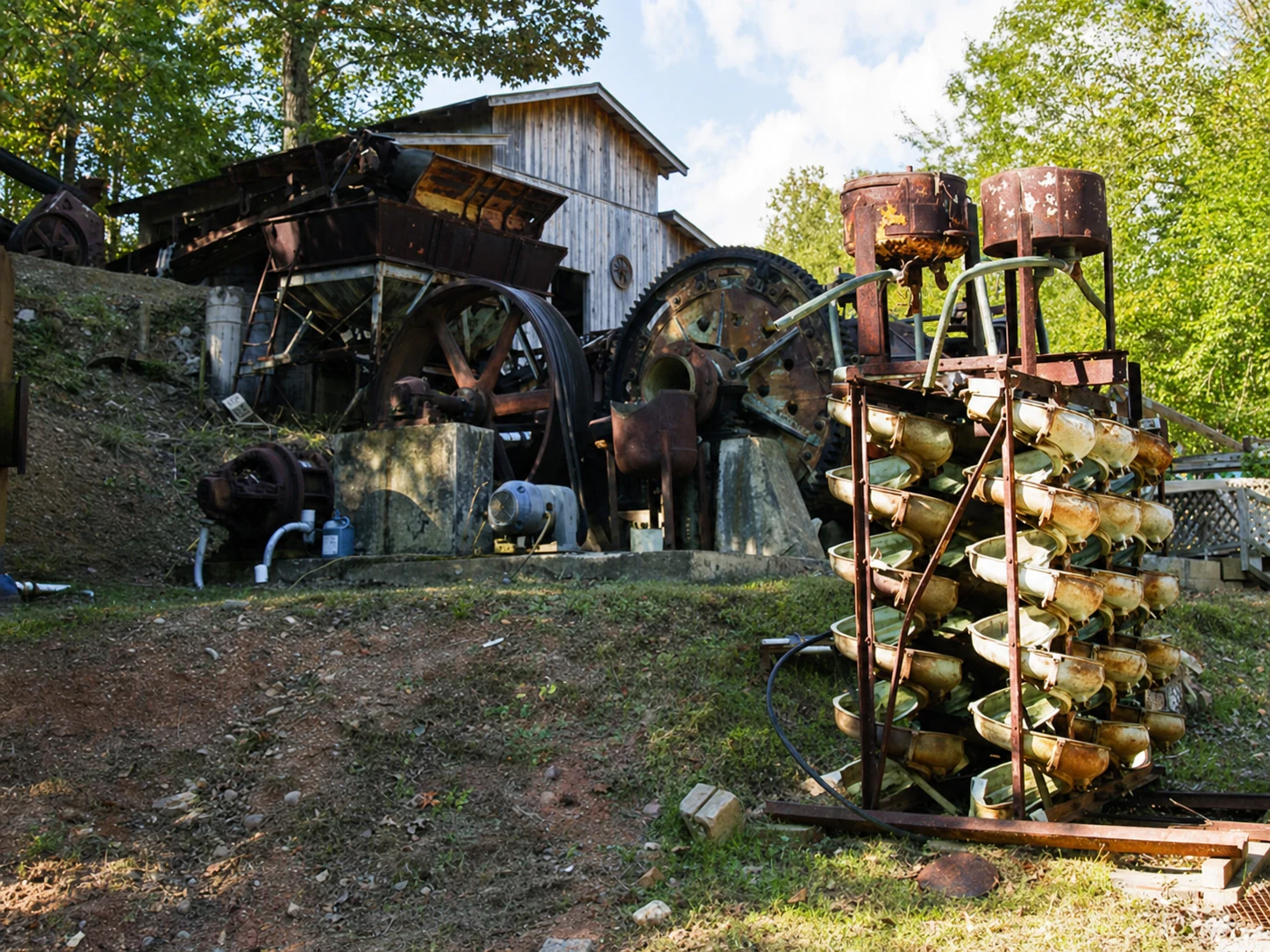
Gold fever struck in 1828 when Benjamin Parks discovered nuggets on Dukes Creek in nearby Dahlonega, igniting Georgia's massive rush - the second in the U.S. after North Carolina's - and flooding the Nacoochee-Helen Valley with thousands of miners. Frank Logan and John Witheroods found key deposits on Dukes Creek (now GA-75 in Cleveland, White County), yielding 3-ounce nuggets; pits from hydraulic mining still scar creek banks, extracting thousands of pounds over a century.
Sites like the England Gold Mine (now Crisson Gold Mine, 2736 Morrison Moore Pkwy, Dahlonega, GA 30533; 706-864-6363; helengoldmine.com; open daily 8:30 AM–5 PM; panning $5–$20/person) and Hamby Mountain boomed, with White County hosting Loud, Gordon, and Lumsden mines; by 1830, over 4,000 miners worked Yahoola Creek alone, shipping $212,000 in gold to the Philadelphia Mint. Boomtowns like Auraria sprouted, but tensions escalated with Cherokee, hastening their removal.
This era connected Helen to broader North Georgia via the Georgia Gold Belt from Dahlonega westward; miners panned Chattahoochee gravels, funding early settlements. Practical logistics: Modern gold panning at Crisson (bring sunscreen, closed-toe shoes; free parking) lets visitors sluice for flakes - I've pulled specks on a sunny fall day, channeling 19th-century grit amid leaf-peeping crowds.
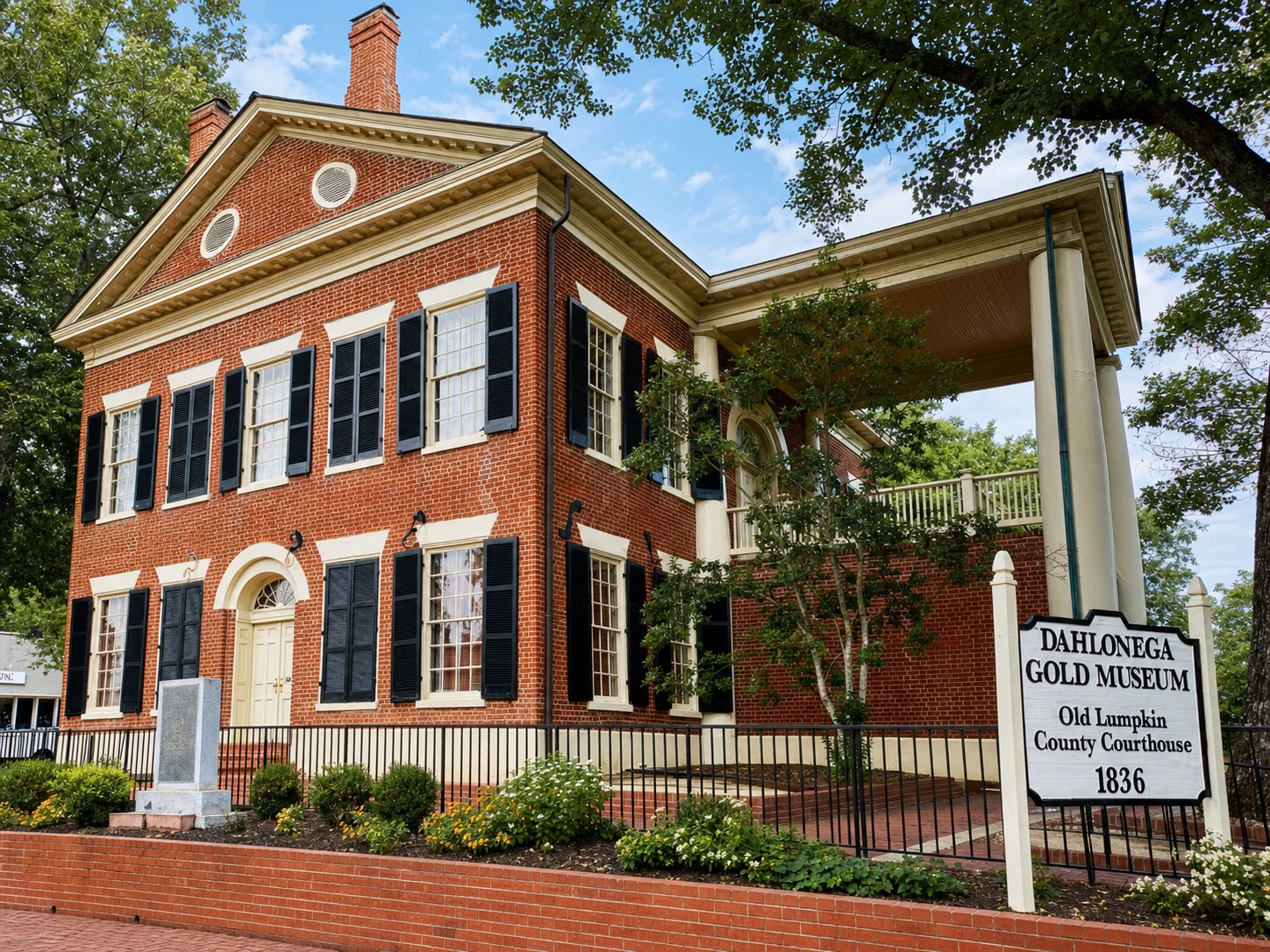
Best time: Spring (March–May) for mild weather and fewer bugs; avoid summer heat. Nearby: Dahlonega Gold Museum (1 Public Sq, Dahlonega; 706-864-2257; $9/adult).
Lumber Era: Timber Titans and Town Birth (1910–1931)
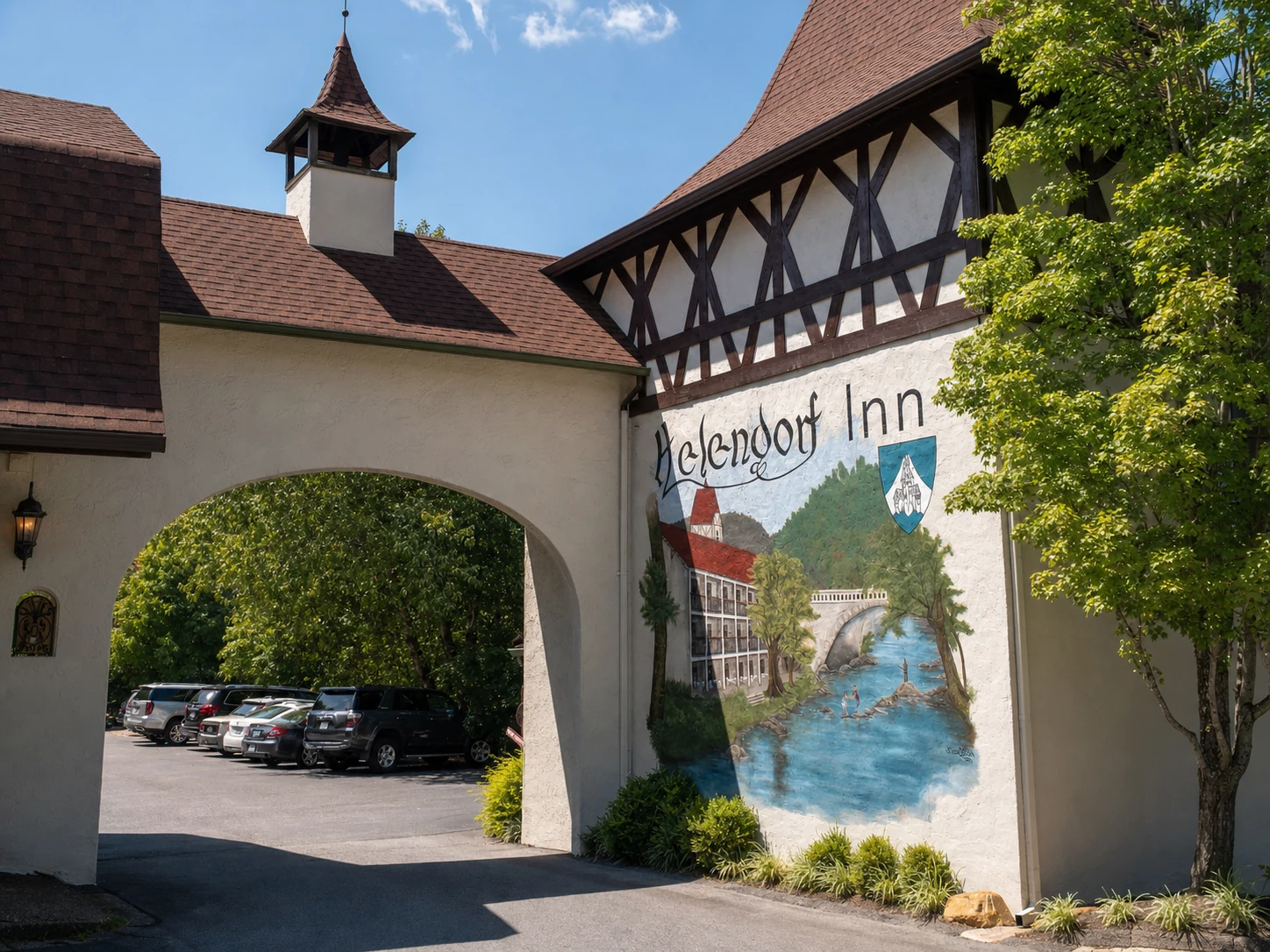
As gold veins petered out by century's end, virgin forests beckoned; in 1910, Byrd-Matthews Lumber Company erected a massive sawmill on the Chattahoochee River's east bank in Helen (site now Helendorf River Inn, 5194 Helen Hwy, Helen, GA 30545; 706-878-2271; helendorf.com). The Gainesville & Northwestern Railroad chugged up the river valley, hauling first lumber loads to New York by January 1913, dubbing Helen the "Star of the North."
Named after surveyor John E. Mitchell's daughter, Helen incorporated August 18, 1913 (population 252 by 1930), with the mill shipping to Europe and U.S. until depletion. Matthews dominated, employing hundreds; rail connected to Gainesville, spurring growth amid Blue Ridge logging heyday. Population peaked modestly, but the mill's roar defined daily life - log drives down the Chattahoochee, sawdust piles everywhere.
This lumber pulse tied Helen to North Georgia's timber economy, supplying Atlanta builders; remnants like old rail grades appear on hikes. Accessibility: Helendorf offers river views from rooms ($150–$300/night); parking plentiful onsite. What to bring: Binoculars for spotting eagles, now thriving post-logging.
Seasonal note: Fall for foliage-framed mill site photos; winter quiet for reflection.
Decline: From Bustle to Boarded Windows (1930s–1960s)
The Great Depression crushed the lumber trade; by 1931, Byrd-Matthews shuttered after exhausting timber, abandoning the mill and prompting mass exodus - population dipped to 191 by 1950. Rail declined, isolation deepened with poor roads bypassing Helen for deeper mountains, leaving a "dreary row of concrete block structures" and just nine businesses by the 1960s.
Orbit Manufacturing (women's apparel, founded 1962 by Jimmy Wilkins) offered slim jobs, but Helen stagnated, population 227 in 1960, amid broader rural woes. Farms lingered, but no diversification; visitors sped through en route to waterfalls, ignoring the faded core.
This low point mirrored North Georgia's post-extraction slumps, priming reinvention. Insider perspective: Wandering today's quiet alleys evokes ghost-town vibes I've felt - peeling paint underfoot, river murmuring forgotten labors.
The 1969 Bavarian Transformation: Visionaries' Alpine Dream
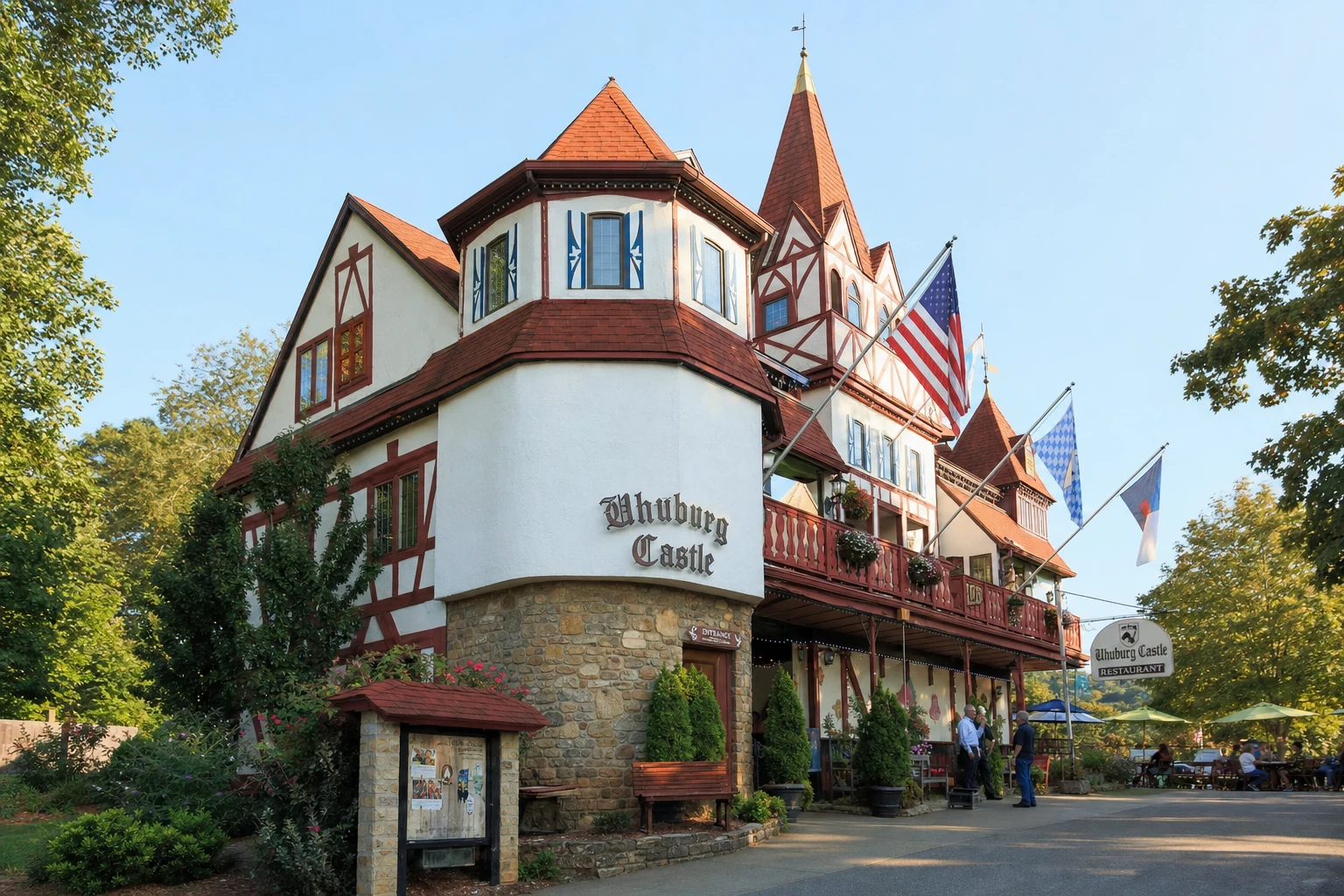
In January 1969, three businessmen - Pete Hodkinson (Clarkesville resident, Orbit manager, landowner), Jimmy (Jim) Wilkins Sr. (Orbit founder, first to alpine-ify his store), and Bob Fowler - lunched at a local spot, brainstorming to halt tourist bypass. They tapped artist John Kollock (Clarkesville), whose Army stint in Bavaria inspired sketches of half-timbered facades fitting Helen's mountain valley.
City Council approved; work started January 1969, remaking storefronts by fall. Wilkins led with his Orbit outlet; September 20, 1969, debuted the Chattahoochee Trout Festival and Alpine Hoedown. Zoning mandates Bavarian style (half-timbering, murals, geraniums) persist, birthing Georgia's top tourist spot (531 residents 2020).
Key figures: Hodkinson (died 1976 hot-air balloon crash, pioneered local balloon races); Wilkins (community pillar); Kollock (d. 2014); Fowler - all locals betting on charm. Population boomed: 430 (2000) to 600 est. (2023).
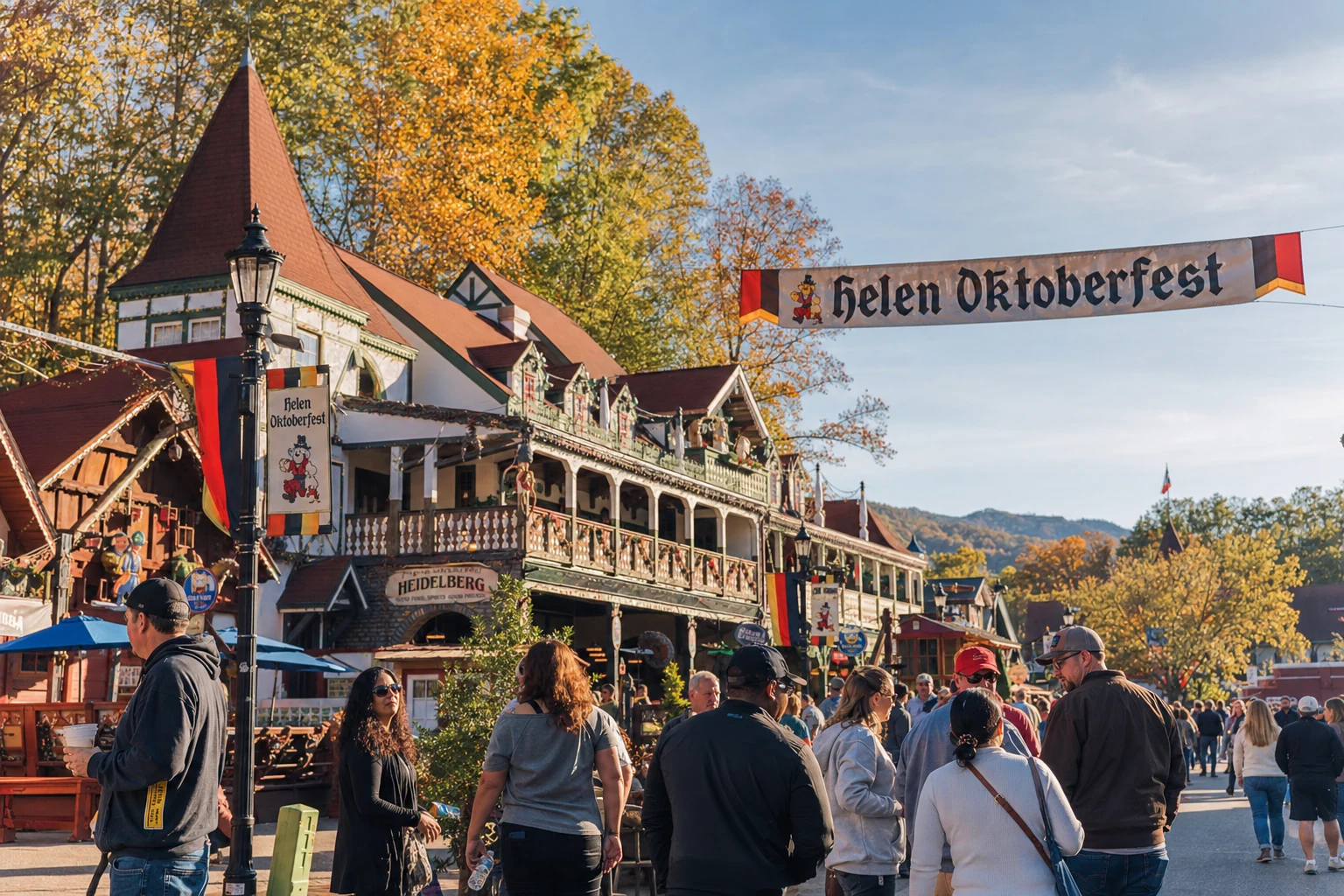
First-person thrill: Witnessing Oktoberfest (Sept–Nov, helenoktoberfest.com; $20–$25/day pass) - lederhosen crowds, brats sizzling - feels like time-warping to Munich amid Appalachians.
The People Who Made It Happen
Pete Hodkinson
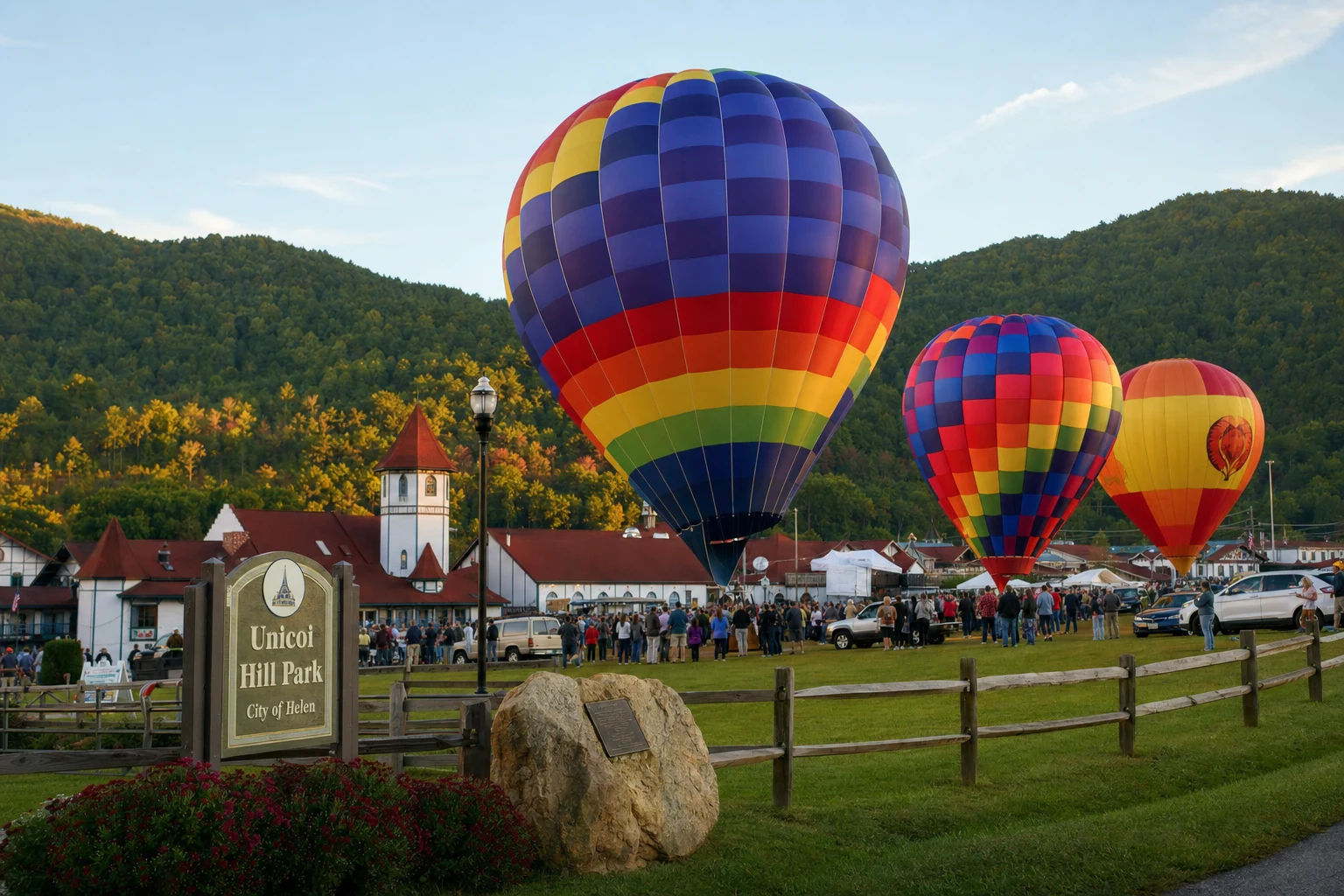
Local entrepreneur from Clarkesville, Hodkinson co-owned land, managed Orbit, and championed Kollock's vision; his 1976 ballooning death spurred Helen's annual race (June, helenballoonfest.com).
Jimmy Wilkins Sr.
Founded Orbit Manufacturing (1962–1996) on west-side district; first to transform his store, igniting the makeover - his daughter Helen recalls the pivotal switch.
John Kollock and Bob Fowler
Kollock sketched the alpine motif, drawing from Bavarian love; Fowler rounded the trio, convincing merchants.
Ties to Broader Helen and North Georgia
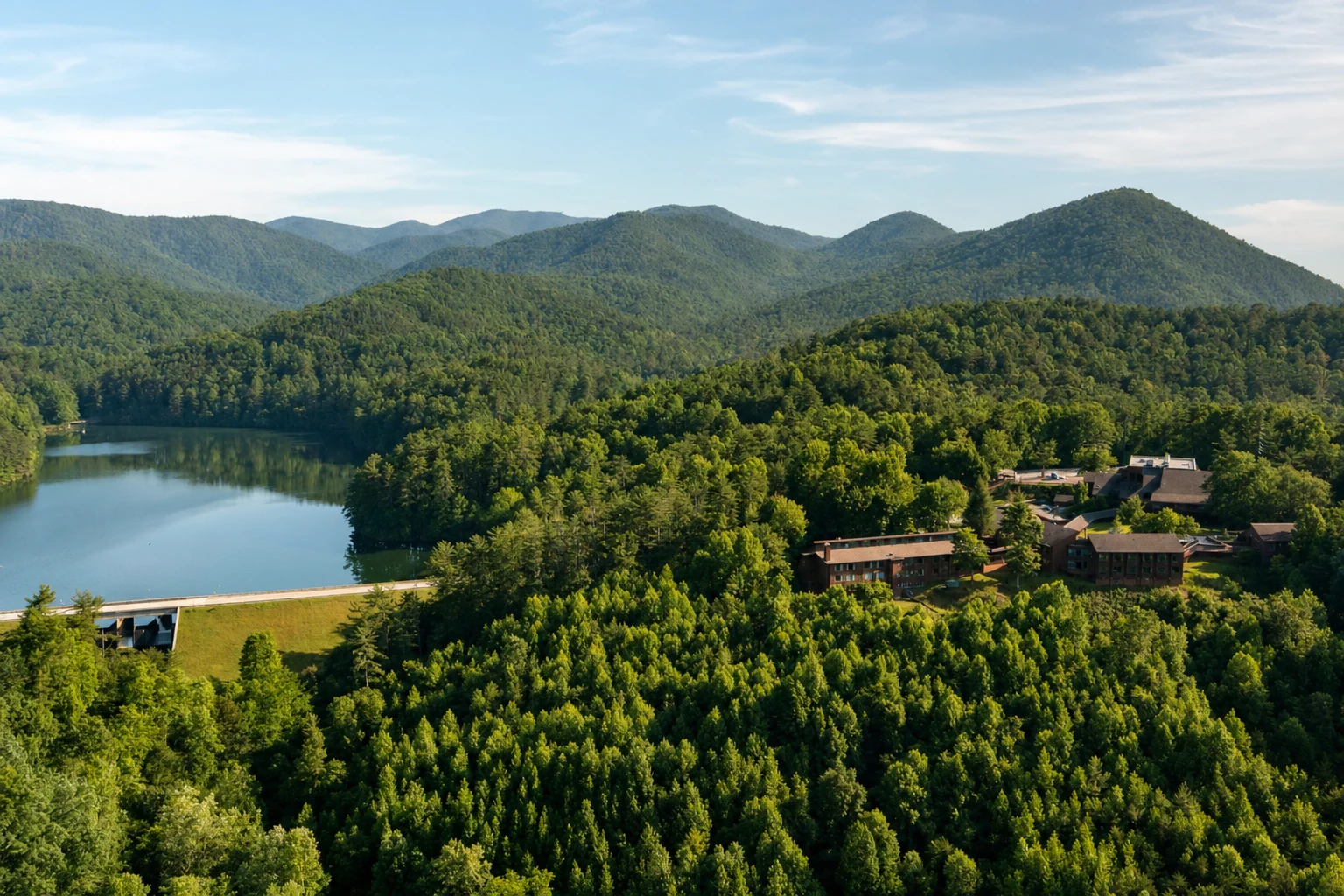
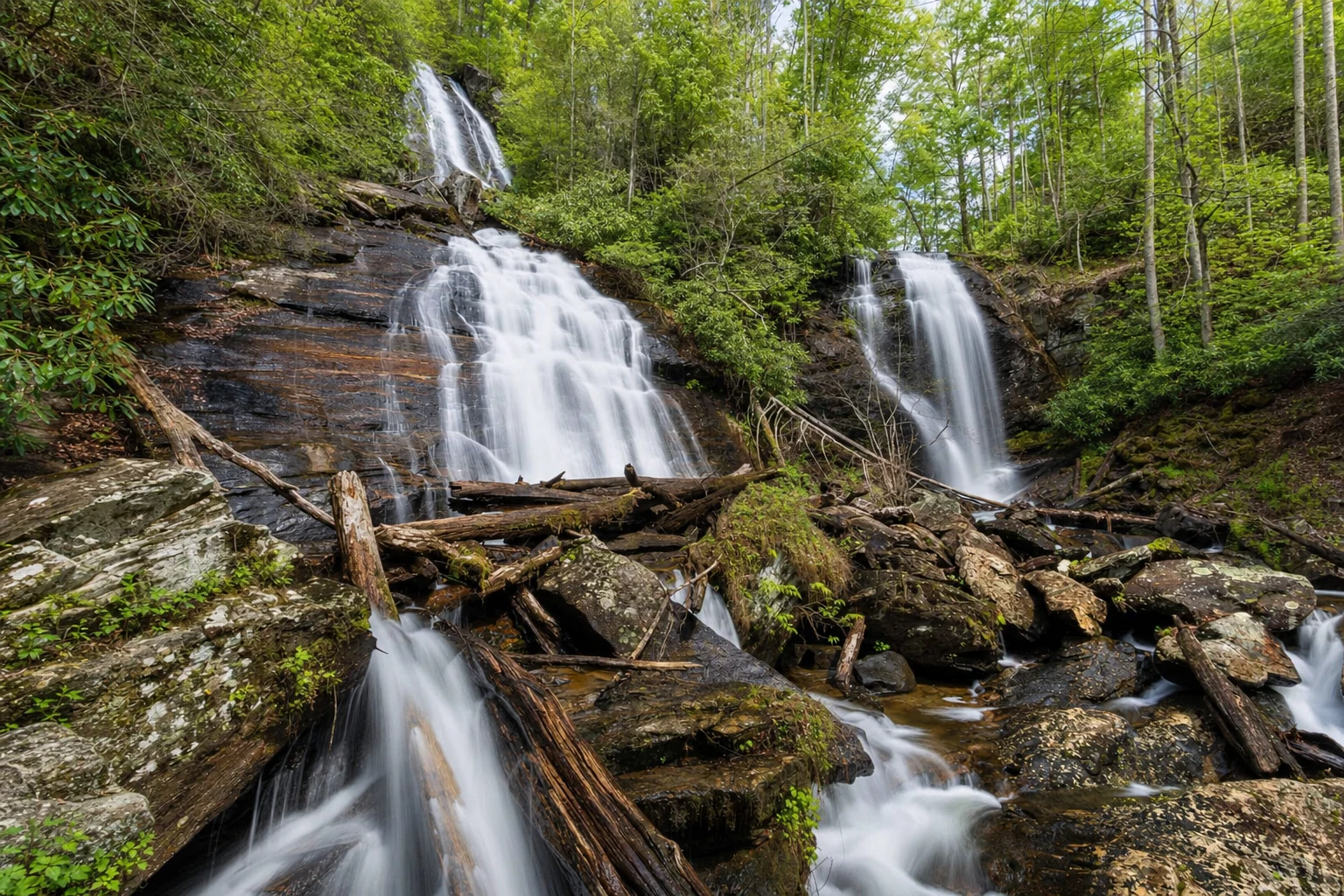
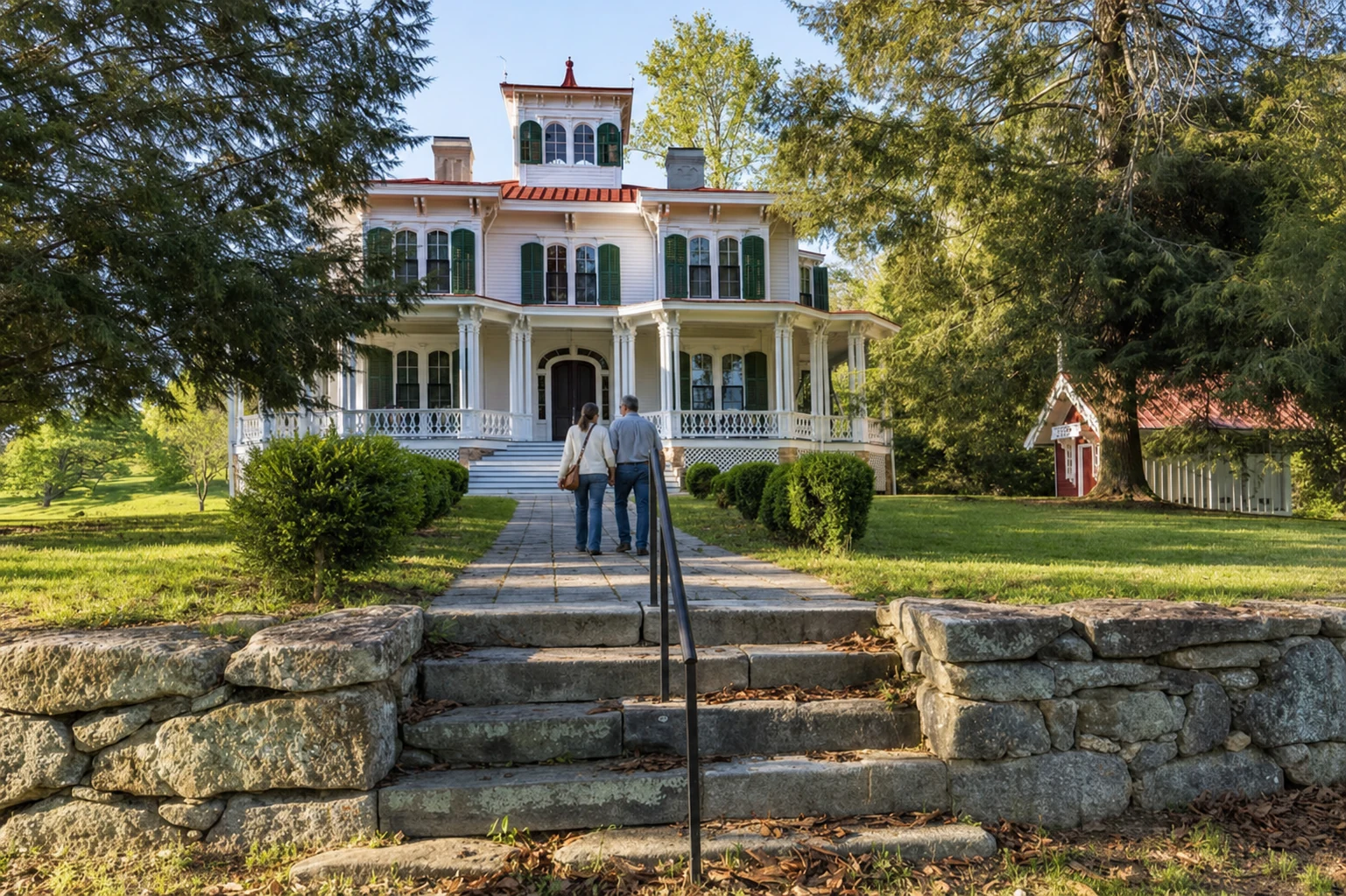
Helen's arc mirrors regional shifts: Cherokee trails link to Unicoi State Park (1788 GA Hwy 356 N; 706-878-2201; gastateparks.org/Unicoi; $5/vehicle); gold to Dahlonega; lumber to Chattahoochee National Forest (Chattahoochee-Oconee NF, 706-745-6928; fs.usda.gov/conf). Bavarian Helen anchors tourism with Unicoi Lake (53 acres, kayaks $10/hr), Anna Ruby Falls (free via park, 1.5-mi trail), Hardman Farm Historic Site (143 GA Hwy 17 Alt; 706-878-2144; $5).
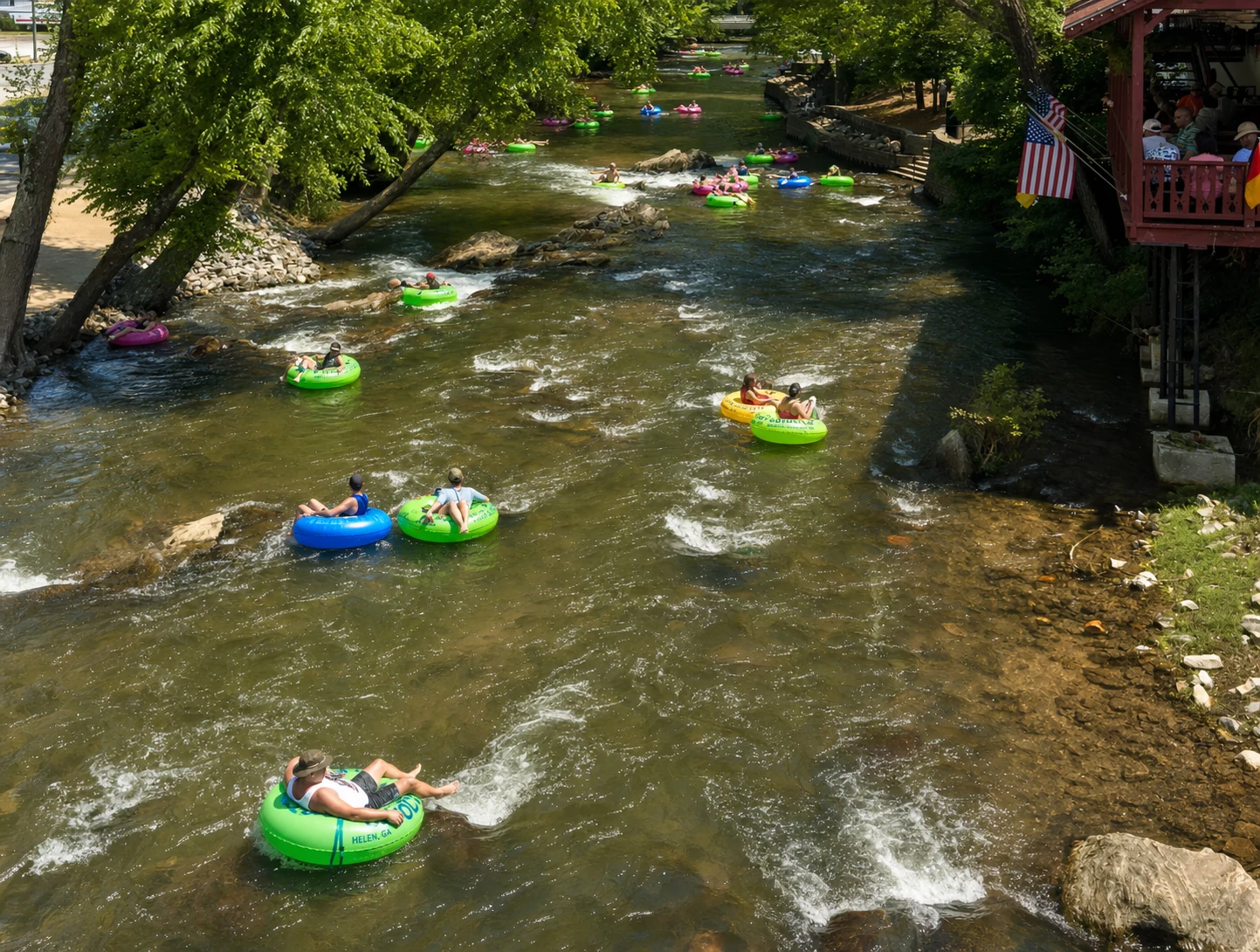
Connects via GA-75 to Cleveland (10 min south), Blairsville (30 min north); tubing on Chattahoochee (Cool River Tubing, 7646 S Main St; 706-865-6677; $10–$20; May–Oct).