Bear Safety in the North Georgia Mountains
How to share the trail with black bears near Helen, from food storage to what to do face to face.
Bear Safety in the North Georgia Mountains
About 4,000 black bears live in the mountains around Helen and the Blue Ridge area, so if you are hiking or camping in the Chattahoochee-Oconee National Forest, knowing how to handle yourself in bear country matters. Bears almost never attack people. The real danger comes when they learn to associate humans with food, because that is when they lose their natural wariness and problems start. The BearWise guidelines from the Georgia Department of Natural Resources (DNR) are straightforward, and following them keeps both you and the bears out of trouble.
Black Bear Biology and Behavior
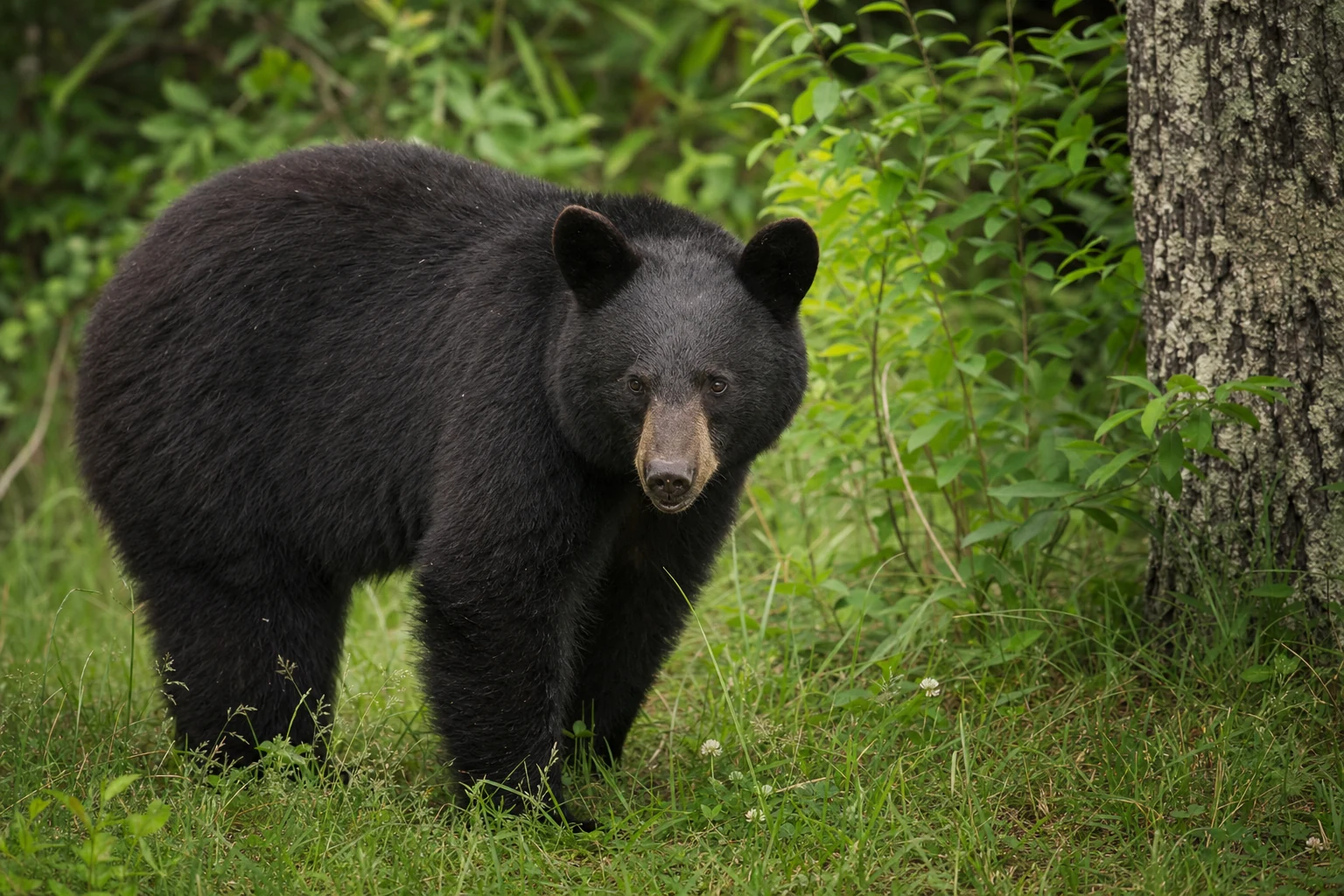
North Georgia's black bears (Ursus americanus) are the only bear species in the state. Males typically weigh 200-500 pounds and roam territories up to 100 square miles. Females are smaller at 100-300 pounds with smaller ranges. Their sense of smell is seven times better than a bloodhound's, which means they can pick up on berries, nuts, insects, and your leftover sandwich from miles away. They eat just about everything (they are true omnivores), and they do most of their foraging at dawn and dusk. They are naturally wary of people. There has never been a fatal bear attack in Georgia's wilderness. The problems start when a bear learns that people equal food.
Because our winters are relatively mild, North Georgia bears do not go into true hibernation. They enter torpor instead, holing up in hollow trees or brush piles from late fall through early spring and coming out hungry in March or April to fill up on spring greens and early fruits. Breeding happens in July, and cubs are born in the den during January-February weighing just 8-12 ounces. Mama bears are fiercely protective of their young. If you see a bear with cubs, give the whole family plenty of space.
How Georgia's Black Bears Came Back
By the 1930s, bears were nearly gone from Georgia. Unregulated hunting, habitat loss, and people treating them as vermin left only isolated pockets, mainly in the North Georgia mountains. The Georgia DNR Wildlife Resources Division turned things around starting in the mid-20th century with regulated hunting seasons (now fall-only, September-December, varying by zone), habitat protection, and public education programs like BearWise.org. Today the North Georgia population, centered in the Chattahoochee National Forest near Helen, sits at about 4,000, and bait station surveys show it is still growing. It is a genuine conservation win.
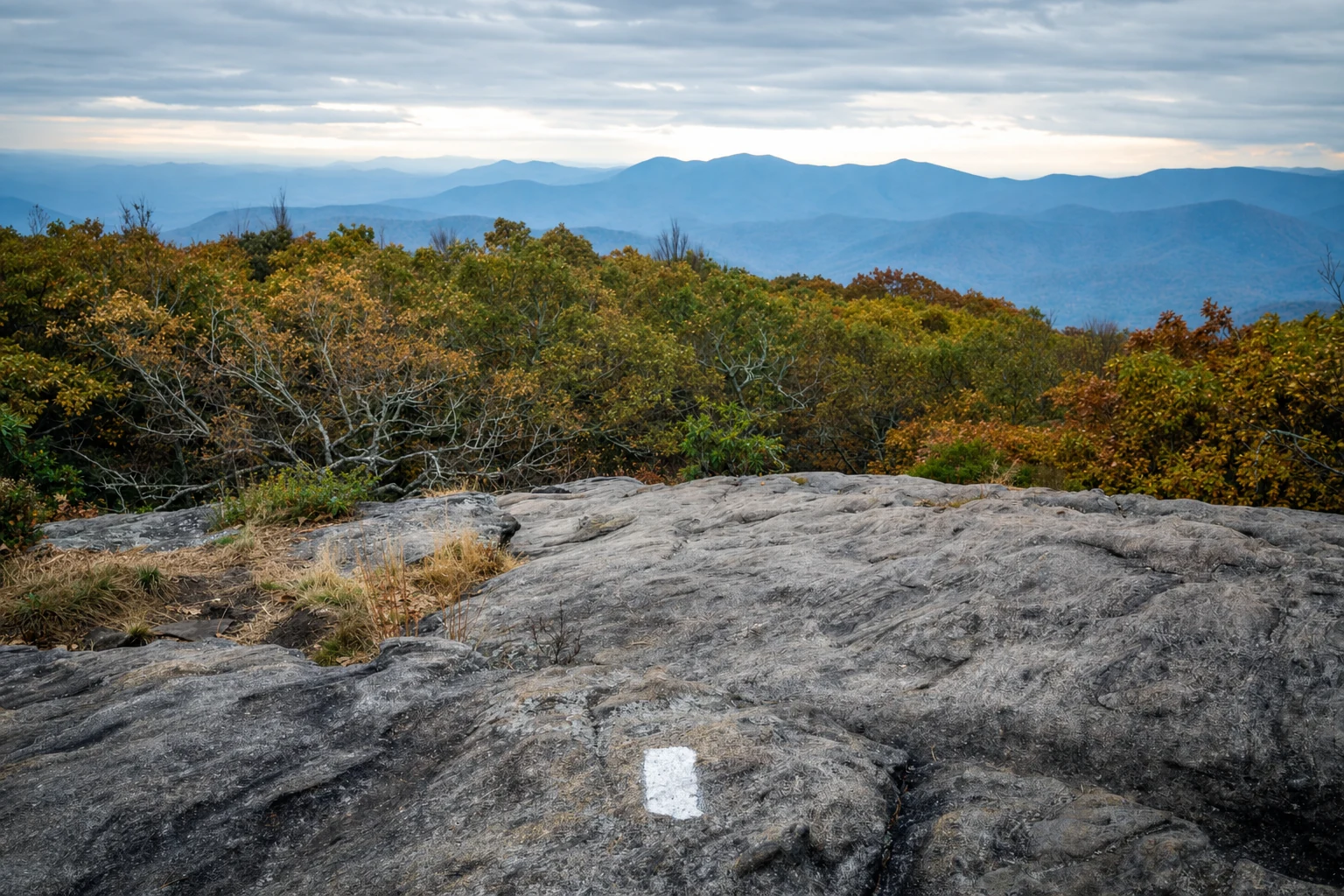
More bears and more tourists mean more overlap. As visitors pour onto trails like the Appalachian Trail (AT) and Blood Mountain Wilderness, the chances of running into a bear go up. That is why there are now rules like mandatory bear canisters in high-conflict zones.
Bear Safety Tips for Hikers and Campers
The Georgia DNR and BearWise.org lay out six basic rules, and they work. Stay alert, stick together, and make noise on the trail. Talk, clap, or wear bells, especially in thick brush near berry patches or streams where you might surprise a bear around a corner. Keep dogs on a tight leash because an unleashed dog can provoke a defensive charge. Pack out every scrap of trash, double-bagging food waste. Even tossing an apple core teaches bears that trails mean food.
For camping, site tents 100 yards from cooking areas and trails, away from thickets; never store food, scented toiletries, or cooking clothes in tents. In Chattahoochee-Oconee National Forest (headquarters: 175 Charlie Smith Sr. Hwy, Gainesville, GA 30501; 770-297-3000; fs.usda.gov/conf), use bear-resistant methods within 1,000 feet of the AT. Hikers report fewer encounters when groups travel midday, avoiding dawn/dusk peaks.
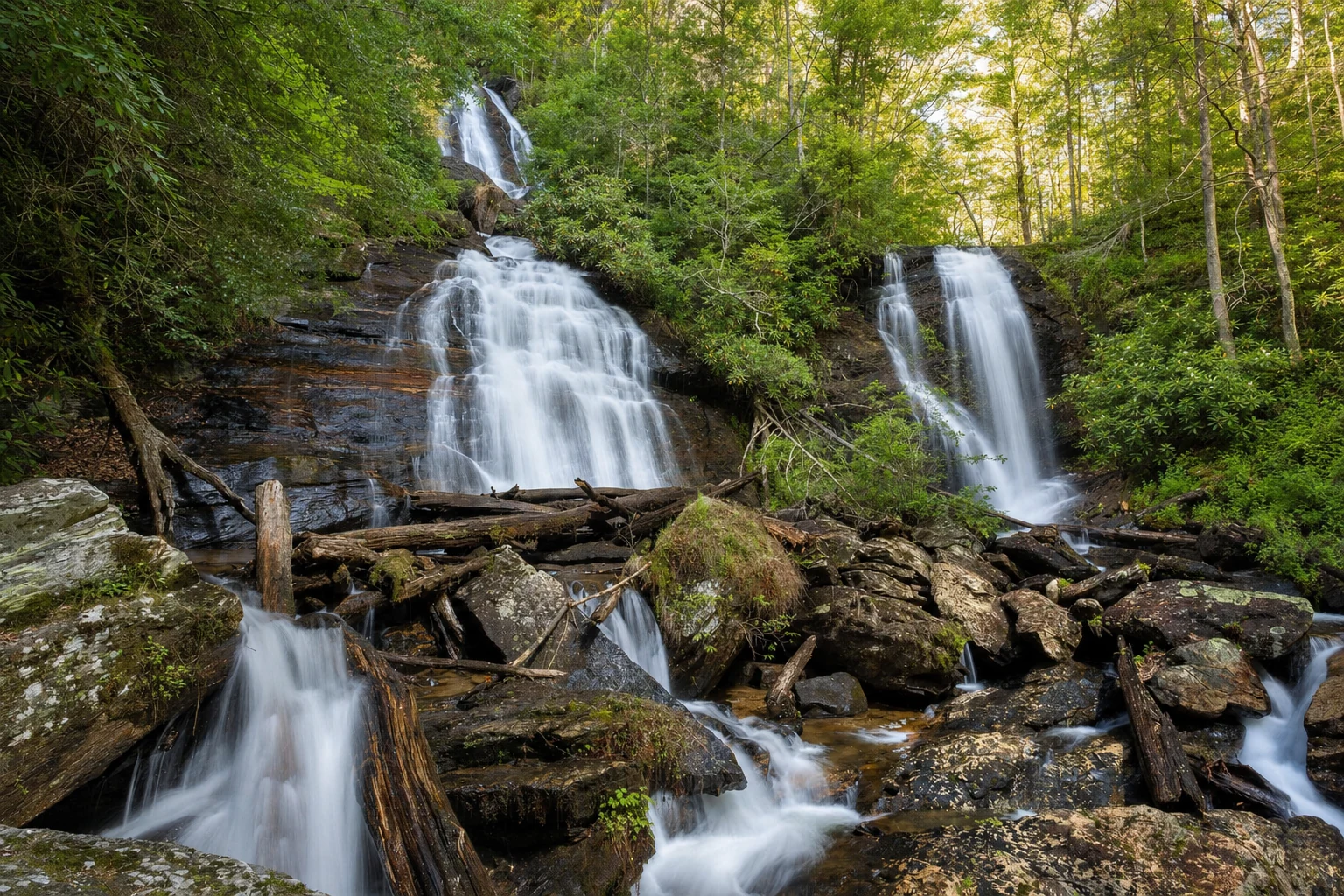
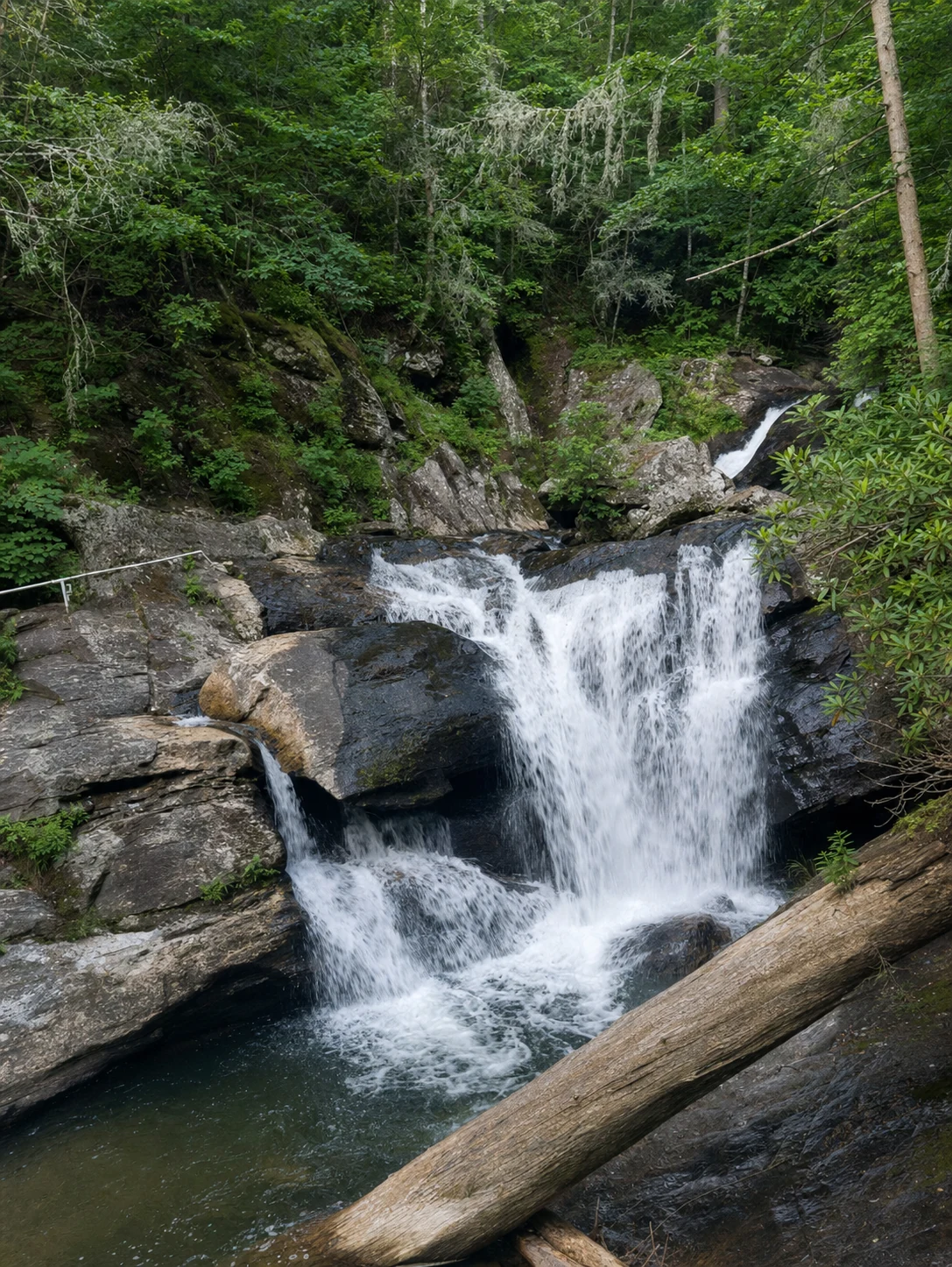
On my last hike up the Anna Ruby Falls trail near Helen (3455 Anna Ruby Falls Rd, Helen, GA 30545; 706-878-2760; open daily 8:30am-6pm peak season, $5 parking), I sang off-key the whole way. Bears cleared out before I even saw them. Locals around here prefer yelling "Hey Bear!" over using whistles. It identifies you as human without provoking aggression.
Bear Encounters: What to Do Step-by-Step
If you spot a bear from afar before it sees you, quietly retreat without approaching - enjoy the view from 100+ yards. If it notices you, group up, back away slowly side-stepping (no running, which triggers chase instinct), speaking firmly: "Hey Bear!" to identify as human.
For a curious approach (ears forward, no huffing), stand tall, wave arms, yell, bang pots, or throw rocks/sticks non-food items; make yourself big on higher ground. Deploy bear spray (EPA-approved, 30-foot range) if under 40 feet - practice first (available at outfitters like REI in Helen or online; ~$40). In contact: Fight back aggressively with sticks, fists, knees - aim for nose/eyes; black bears respond to dominance, unlike playing dead for grizzlies.
Last fall on Tray Mountain near Helen, a cub crossed the trail about 20 yards in front of me. I froze. Then I heard mama grunt from the brush. Our group started yelling and they both bolted uphill. My heart was pounding, but nobody was in danger because we followed the protocol.
Bear-Proofing Food: Methods and Local Rules
Proper storage prevents 90% of issues: Use IGBC-certified bear-resistant canisters (e.g., BearVault BV450, ~$80; holds 3-4 days food) or hang bags 10+ feet high, 4 feet from trunk, on sturdy branches - but canisters are foolproof and required seasonally. In Blood Mountain Wilderness AT section (Jarrard Gap to Neels Gap, March 1-June 1), canisters mandatory for all overnight dispersed camping - no hangs allowed; check fs.usda.gov/conf or Blue Ridge Ranger District (706-745-6928).
At developed sites like Vogel State Park near Blairsville (7485 Vogel State Park Rd; 706-793-4421; reserve at gastateparks.org), use provided cables/lockers; vehicles work if food's invisible and locked. Repackage meals smell-tight, eat 100 yards from sleep site, burn no scraps. Rentals? Limited locally - try outfitters like Mountain Crossings at Walasi-Yi (Neels Gap, 706-745-6095) or ship from lowergear.com (~$10/week).
Pro Tip: Odor-proof bags for daytime hikes; I once lost a Snickers to a raccoon proxy - bears next. Test canister lids pre-hike; bears outsmart hangs in rhododendron thickets common near Helen.
Seasonal Considerations and Best Times to Visit
Spring (March-May): Bears emerge ravenous post-dennning, peak conflict on AT as hikers start northbound; use canisters religiously, avoid solo dawn hikes. Summer (June-August): Lower activity in heat, but cubs learn foraging - family groups common; berries lure bears to trails like Bartram Trail. Fall (September-November): Hyperphagia - bears gorge on acorns/persimmons, most active pre-hunt season; hunting pressure disperses them, but secure sites extra.
Winter (December-February): Minimal activity, safest for day hikes; bears den, sightings rare unless mild weather. Best times: Midday summer/fall group hikes; avoid weekends near Helen during Oktoberfest when trails busier. Monitor georgiawildlife.com/bear-info for sightings/hunt dates (e.g., North Zone archery early September).
Connection to Helen and North Georgia Attractions
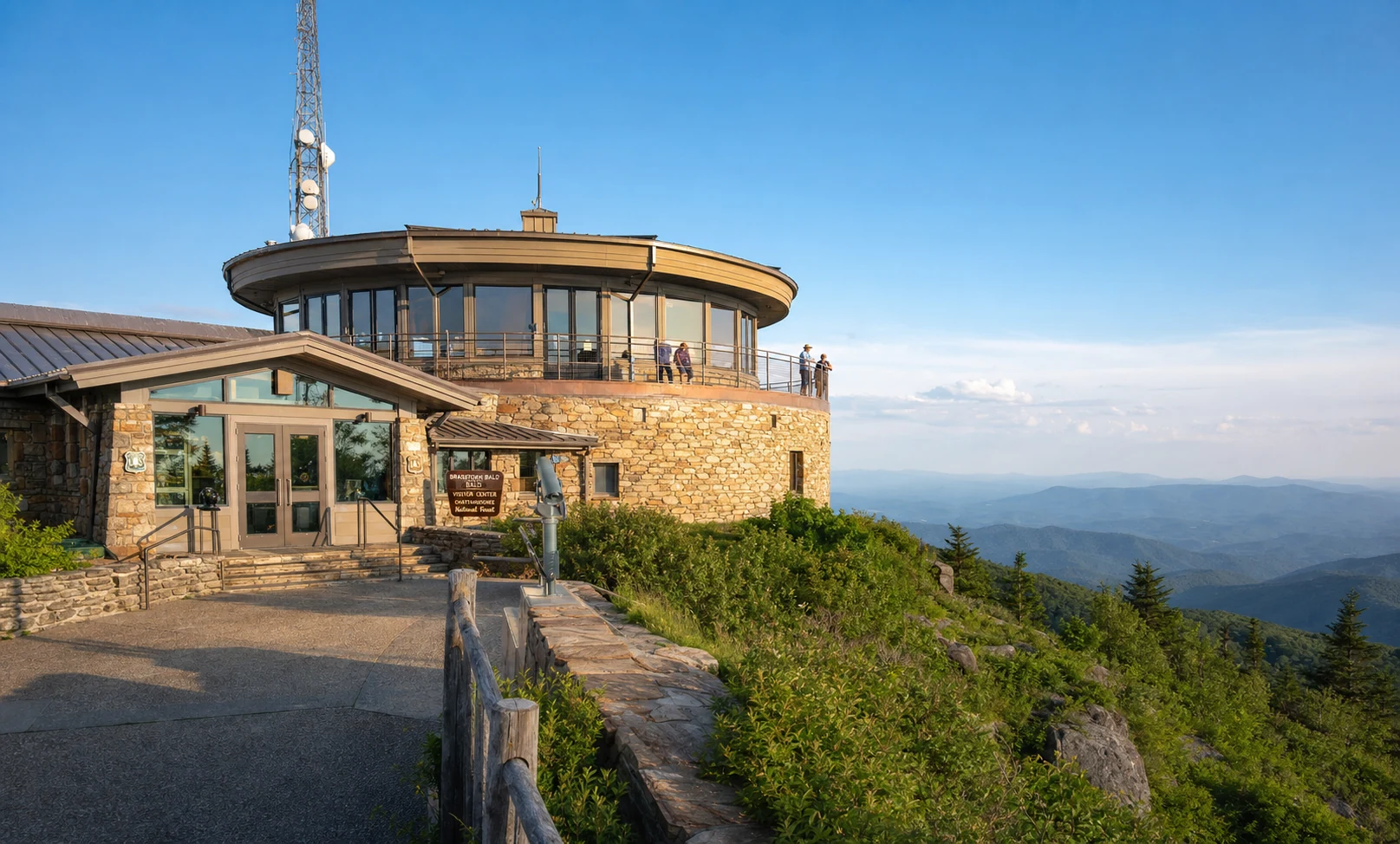
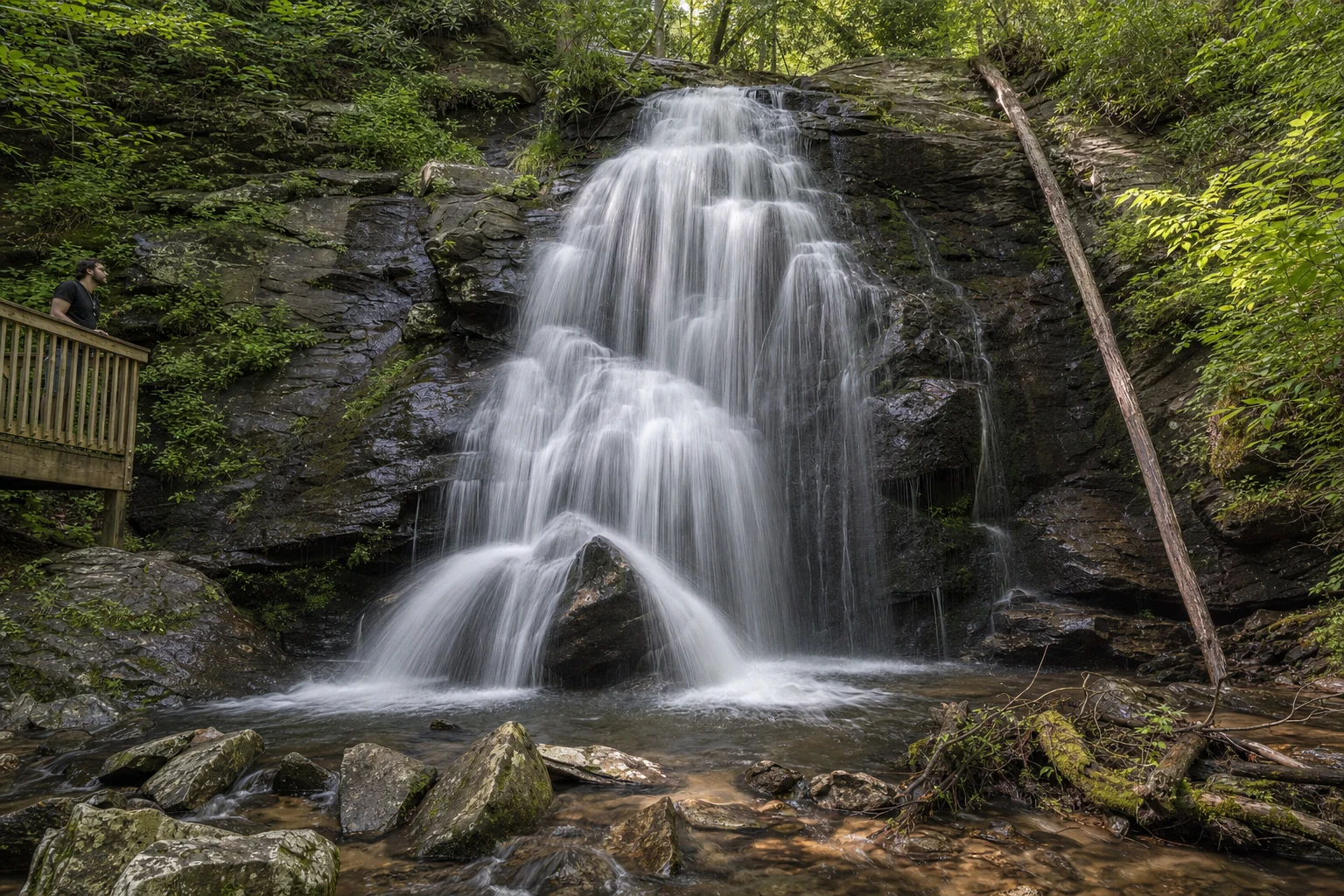
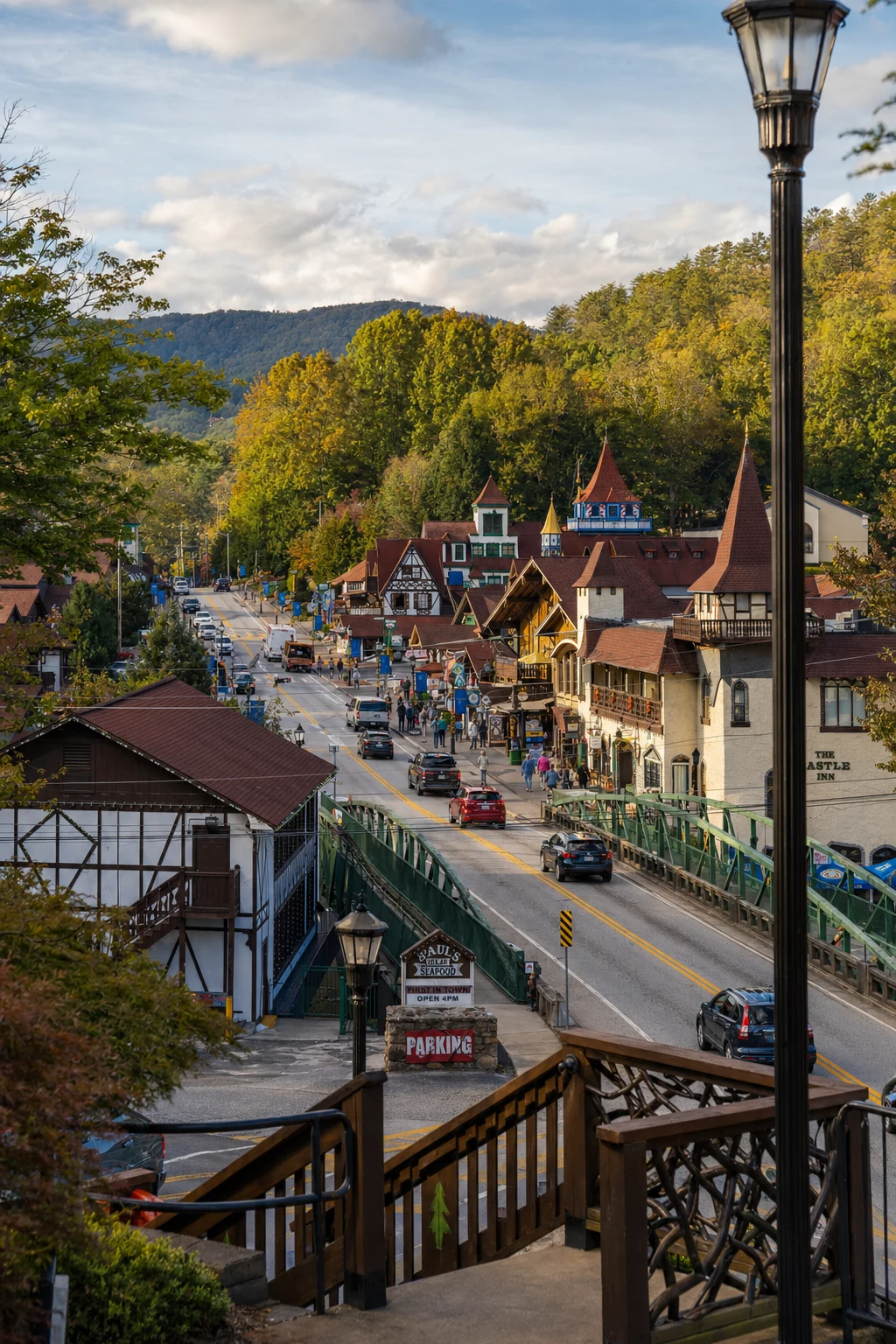
Helen (visithelenga.com; [email protected]), the Bavarian alpine village, gateways bear habitat via Chattahoochee National Forest (770-297-3000) and AT segments - hike Dukes Creek Falls (accessible from Helen; 1-mile easy trail) or Unicoi State Park (1788 GA-356, Helen; 706-878-2201). Nearby: Blood Mountain (highest AT GA peak, bear canister zone) links to Brasstown Bald (GA's tallest, drive-up $5); combine with tubing on Chattahoochee River, but pack lunches bear-tight.
Smithgall Woods State Park (61 Tsali Rd, Helen; 706-878-3087) hosts bear talks ($5 + parking; reserve ahead) - perfect intro before Raven Cliff Falls hike. These spots showcase Blue Ridge biodiversity; safe practices sustain tourism drawing 3M+ visitors yearly.
Practical Logistics: Parking, Accessibility, What to Bring
Parking: Free at most trailheads (e.g., Anna Ruby Falls lot fits 100+ cars), but overflow at popular Helen spots like Helton Creek Falls - arrive pre-9am weekends. National Forest passes ($5/day, $30/week; fs.usda.gov) for dispersed areas; Vogel/Unicoi charge $5-10/vehicle.
Accessibility: ADA paths at Anna Ruby, Unicoi; rugged AT needs fitness - Blood Mountain strenuous (4 miles, 2,000ft gain). Bear spray holsters for mobility; leashed service dogs OK but risky.
What to Bring:
Bear spray + practice canister (REI Helen or Amazon).
IGBC canister (buy/rent online/outfitter).
Noise makers (bells, air horn ~$10).
Staying BearWise: Long-Term Mindset
Following the BearWise guidelines (bearwise.org has free resources and printable flyers) is how North Georgia's bears stay wild instead of becoming problem animals. A little awareness goes a long way. Know the rules, store your food right, make noise on the trail, and you can hike these mountains without worrying about bear trouble.
Related Imagery from Around Helen