Sautee Nacoochee
Two valleys, ten minutes from Helen, where Georgia keeps some of its deepest history: a centuries-old mound, a folk pottery dynasty, and a store that hasn't closed since 1872
The Valley Helen Doesn't Tell You About
Drive ten minutes southeast of Helen's biergartens on GA-17 and the Bavarian gingerbread gives way to something older and quieter. The Sautee and Nacoochee valleys sit at the foot of Yonah Mountain in White County, stitched together by a crossroads where two state highways meet at an 1872 general store. Helen is the show; this is the archive. Within a few miles of that crossroads you'll find a ceremonial mound built centuries before Columbus, a nationally known pottery museum, one of the last surviving slave cabins in Appalachia, Georgia's shortest covered bridge, and a 1928 schoolhouse that a group of stubborn neighbors turned into one of the best small arts centers in the South.
Almost all of it is free to visit. That still surprises people. Plan a half day here between tubing runs and schnitzel, and you'll come home with the part of the trip you actually tell people about.
Seven Centuries at One Crossroads
- 1350–1600
Mississippian people of the Lamar culture build and use the Nacoochee Mound as the center of a riverside village.
- 1715
Colonel George Chicken's expedition documents Cherokee towns in the valley following the Yamasee War.
- 1813
The Cherokee grant right-of-way to convert the ancient Unicoi path into a toll turnpike. The promised $160 a year reportedly never arrives.
- 1830s
More than 3,000 Cherokee are marched along the turnpike toward Fort Cass on the first leg of the Trail of Tears.
- c. 1850
A cabin housing people enslaved by a prominent valley landowner is built. It survives as one of Appalachia's last standing slave dwellings.
- 1872
The Old Sautee Store opens at the crossroads. It has been selling things ever since.
- 1890
Captain James Hall Nichols shaves two feet off the sacred mound and builds a gazebo on top.
- 1915
A Heye Foundation and Smithsonian excavation of the mound uncovers 75 burials, hammered copper, and shell beads.
- 1928
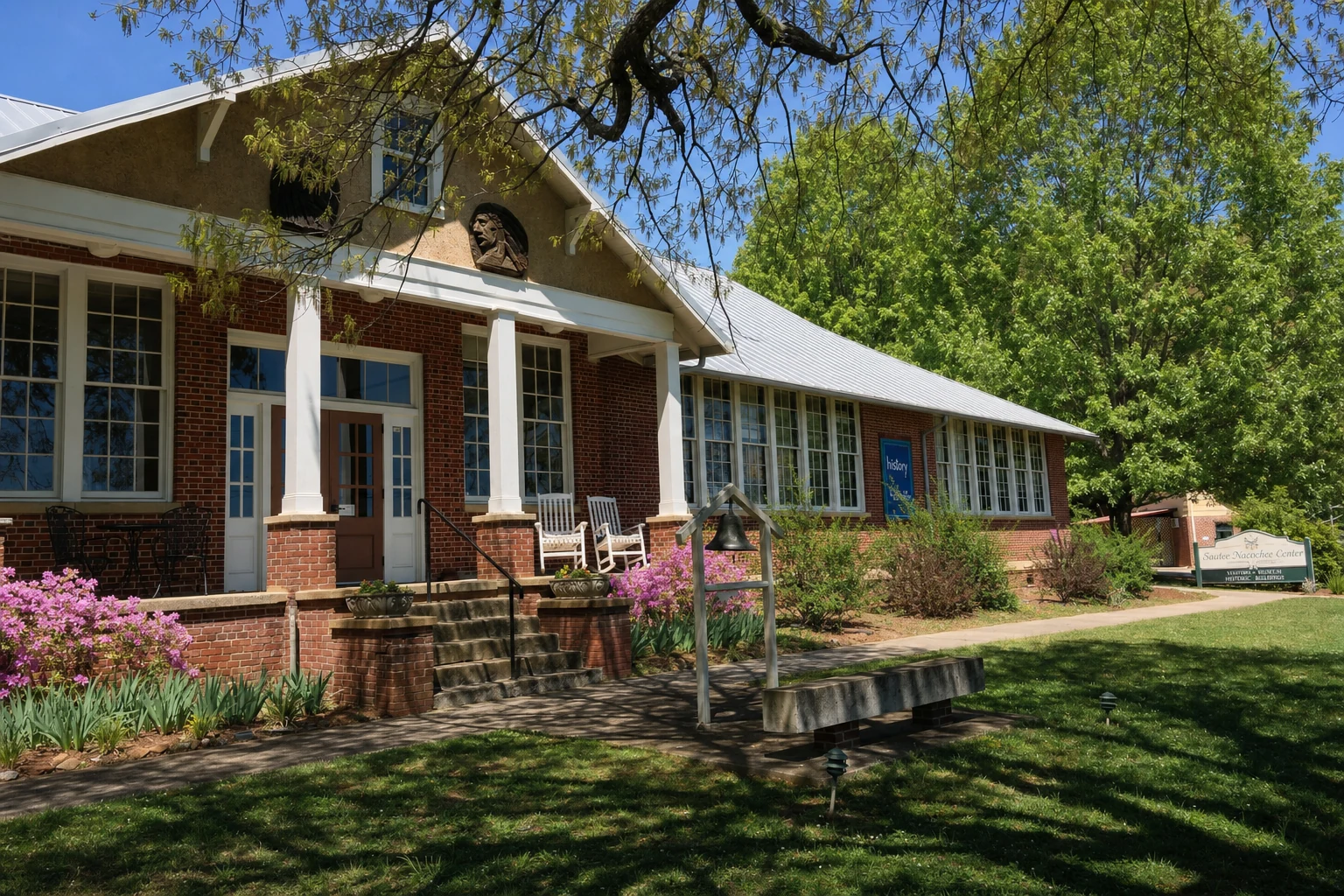
White County builds a brick schoolhouse in the valley. Classes run until 1974; the building is now the Sautee Nacoochee Center.
- 1967
The Smithsonian films potter Cheever Meaders at his wood-fired kiln. His son Lanier's $2.50 face jugs become a national sensation.
- 2006
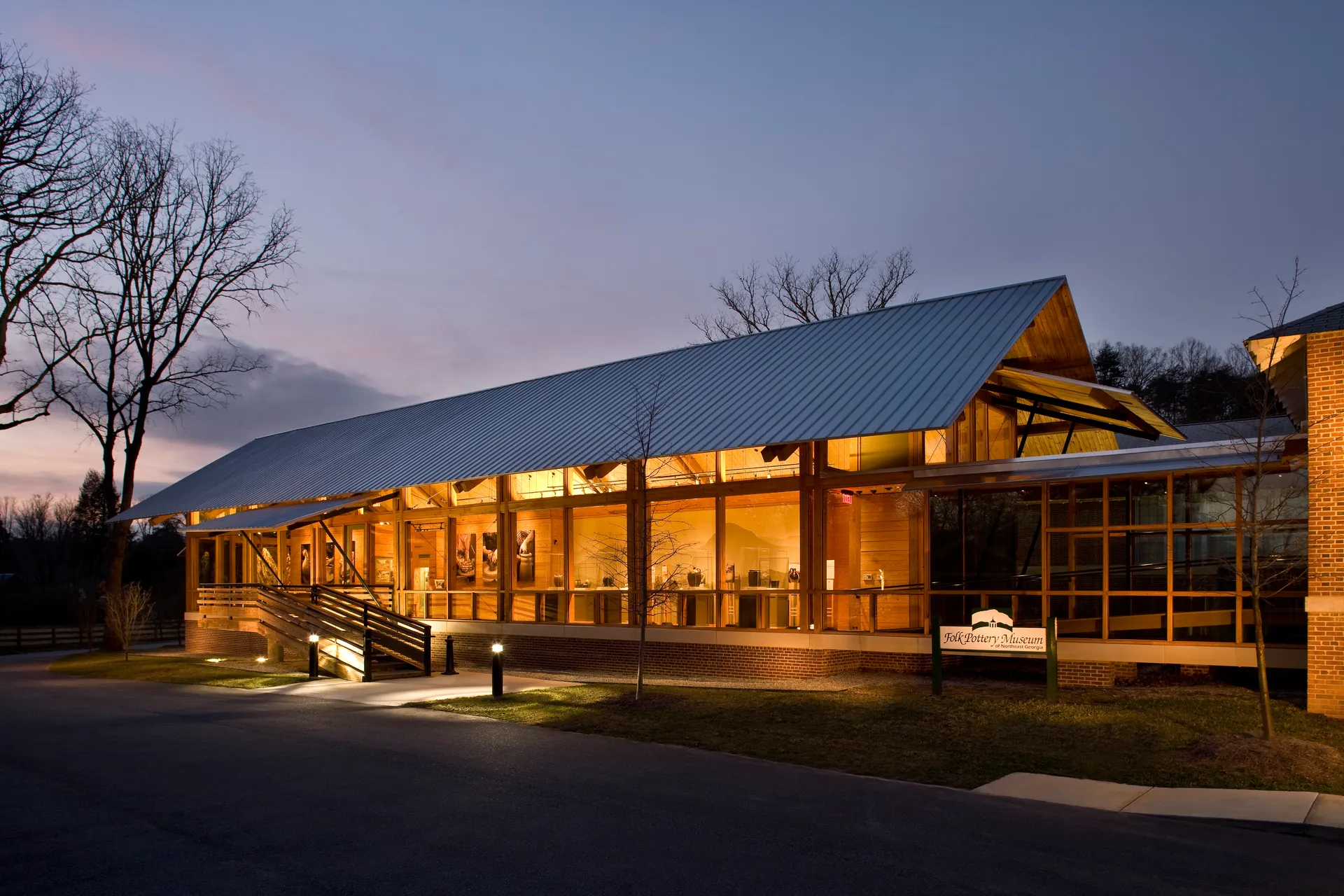
The Folk Pottery Museum of Northeast Georgia opens in an award-winning timber building shaped like a potter's kiln shed.
- 2025
The John Burrison Pottery Studio opens beside the museum, putting visitors at the wheel where the tradition began.
The Nacoochee Mound: A Love Story and What's Actually Buried There
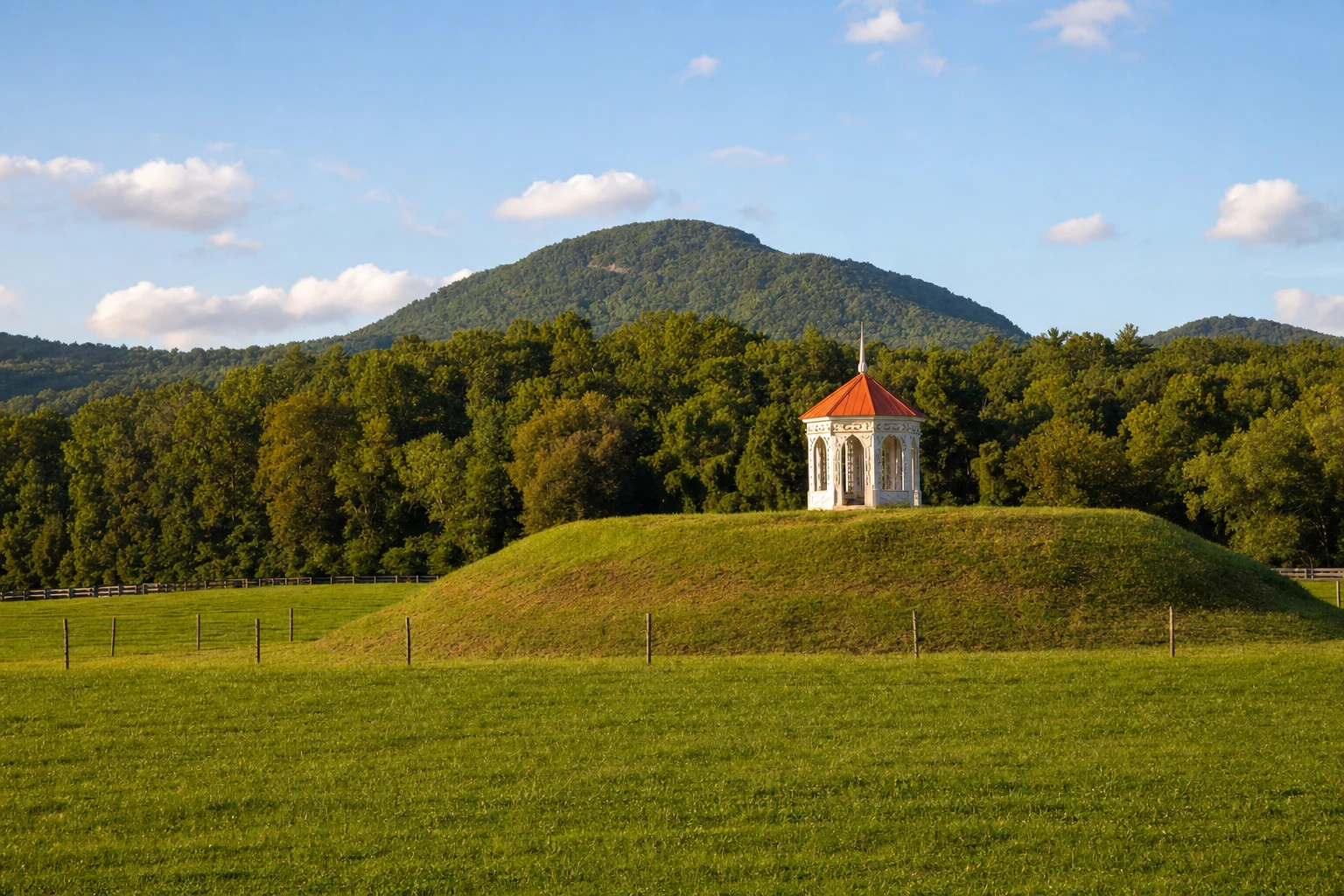
You've probably already seen it. The grassy mound with the white Victorian gazebo on top sits right where GA-17 meets GA-75, two miles south of Helen, and it may be the most photographed spot in the county. The story you'll hear is a mountain Romeo and Juliet: Sautee, a Chickasaw warrior, fell in love with Nacoochee, a Cherokee chief's daughter; her father had Sautee thrown from Yonah Mountain, Nacoochee leapt after him, and the grieving chief buried the lovers together in the mound. It's a beautiful legend, popularized in an 1871 travel book, and archaeology does not support a word of it.
The truth is older and stranger. The mound was built by South Appalachian Mississippian people of the Lamar culture, who raised it between roughly 1350 and 1600 as the platform of a busy village in the river flats. The Cherokee came later; Colonel George Chicken's 1715 expedition recorded their towns in the valley, and one of them, Nacoochee or Chota, probably stood near this spot. In 1915 the Museum of the American Indian and the Smithsonian's Bureau of American Ethnology ran one of Georgia's first scientific excavations here and found 75 burials layered through the earth, along with hammered copper celts, conch-shell beads, and stamped pottery kin to the artifacts at Etowah. Nobody named Sautee or Nacoochee, but several centuries of real people.
And the gazebo? In 1890, Captain James Hall Nichols, the Milledgeville planter who owned the farm, leveled off the top two feet of the mound to build himself a summer house with a view. Dr. Lamartine Hardman, later governor of Georgia, bought the property in 1903, and his family gave it to the state in 1999. Today the mound anchors Hardman Farm State Historic Site, where you can walk the grounds daily for a few dollars or tour the 1870 Italianate mansion Thursday through Saturday (check current hours). Go near sunset when the light comes low across the pasture; you'll understand why every culture that ever lived in this valley considered this ground important.
The Road Under the Road
When you drive GA-17 through the valley, your tires are tracing the Unicoi Turnpike, a roughly 150-mile route that connected the Overhill Cherokee towns of Tennessee to Georgia and the Carolinas long before anyone wrote things down. The name comes from a Cherokee word usually translated as "white," maybe for the mist that hangs on the gaps. In 1813 the Cherokee granted right-of-way for a toll road; the tribe was promised $160 a year for the privilege and, by most accounts, never saw a dime of it.
For a few decades the turnpike was the interstate of the mountains. Drovers pushed hogs, cattle, even flocks of turkeys along it toward coastal markets, paying twelve and a half cents for a man and horse or $1.25 for a fancy four-wheeled "carriage of pleasure." Inns called stands sprang up every twelve to fifteen miles, about one hard day's walk apart; Traveler's Rest near Toccoa is a surviving one you can still visit. Then in the 1830s the road's history turned dark: the turnpike became an early leg of the Trail of Tears, carrying more than 3,000 Cherokee people north toward the internment camps at Fort Cass. The prettiest drive in White County is also one of its saddest, and knowing both makes the valley mean more.
A Schoolhouse That Refused to Die
The story of the Sautee Nacoochee Center starts with a fire. The Nacoochee Institute, a Presbyterian-backed boarding school founded in 1903, educated valley children until 1926, when a stove fire burned it to the ground six weeks after a nearly identical fire leveled the Rabun Gap Industrial School up the road. The two ruined schools merged in 1927 to become the Rabun Gap-Nacoochee School, the institution whose students would later create the famous Foxfire project documenting Appalachian folkways. White County built a sturdy brick replacement school in the valley in 1928, and it held classes until 1974.
Then it sat empty. What saved it was the same thing that saved the whole valley from becoming a subdivision: neighbors organized. The Sautee Nacoochee Community Association formed in the late 1970s, won National Register of Historic Places listings for both valleys, bought the derelict schoolhouse in 1986, and spent ten years of volunteer weekends renovating it. The result is an 8.5-acre campus that stays busier than arts centers in towns fifty times this size: a 98-seat theater built inside the old auditorium, two juried gallery shops that carry work only from artists living within 50 miles, an invitational gallery that rotates new exhibitions roughly every eight weeks, and a late-1930s gymnasium where contra dancers have been wearing in the original sprung-wood floor since 1980. A half-mile trail winds the property past a covered outdoor stage and the Native Peace Garden, dedicated in 2019 beneath a white oak that's been standing well over a century. The Center sits at 283 GA-255 N, Sautee Nacoochee; admission to the galleries and museums is free.
The Folk Pottery Museum: Mud, Fire, and Genius
To understand why a world-class pottery museum sits in a valley of a few hundred people, you have to start with the dirt. Potters migrating out of the Carolinas brought an alkaline-glazed stoneware tradition to these foothills in the early 1800s, and for a century the region's iron-rich clay was survival equipment, not art. Families turned whiskey jugs, butter churns, syrup jugs, and pickling jars, glazed with wood ash or lime mixed with local clay silt the Meaders family called "settlin's," fired to finishes of olive green, earth brown, and rusty gray. Then the market collapsed in slow motion: Georgia's 1907 prohibition law killed the whiskey-jug trade, cheap glass and commercial dairies did the rest, and the Depression finished off most of the shops.
The museum that tells this story opened in 2006, funded by Dean and Kay Swanson, former owners of the Standard Telephone Company. Kay grew up riding along on her father's "over the mountain rambles" in a 1939 Dodge, buying pots from the last of the old-timers. They enlisted folk potter Michael Crocker to help assemble the collection and Dr. John Burrison, the Georgia State University folklorist who wrote Brothers in Clay, as curator. Admission is free, every day.
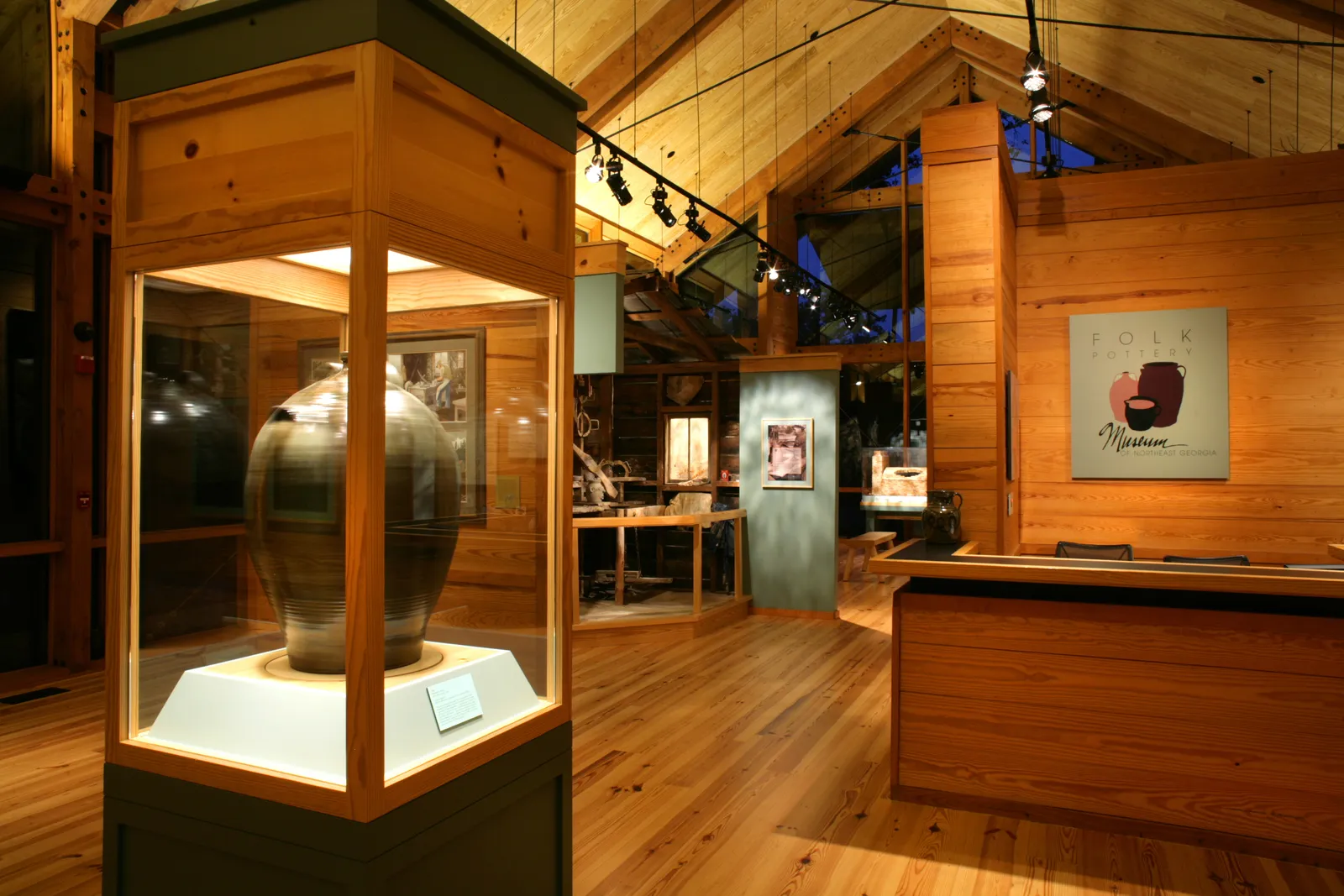
Give yourself close to an hour in the Pottery Maze, the permanent exhibit that winds through more than 200 pieces from the region's great "clay clans": the Hewells, the Dorseys, the Fergusons, and above all the Meaders family. The museum is open Monday through Saturday 10 to 5 and Sunday 1 to 5, sharing the Center's campus at 283 GA-255 N. If it sparks something, the Mark of the Potter shop in an old gristmill up GA-197 makes a perfect second stop on a pottery-themed day.
The Meaders Family and the Face Jug
In 1892 a farmer named John Milton Meaders built a log pottery shop at Mossy Creek, south of Cleveland, and put his six sons to work turning ware. His son Cheever took over in 1920 and simply refused to modernize, treadling a foot-powered wheel and firing a wood-burning tunnel kiln long after everyone else quit. That stubbornness turned out to be priceless. In 1967 the Smithsonian sent a film crew to document Cheever for the first Festival of American Folklife, and when Cheever fell ill and died that fall, his fifty-year-old son Lanier stepped in to fill the festival's order of decorative face jugs. They sold for $2.50 apiece and became a phenomenon.
Lanier Meaders spent the next quarter century making an estimated 10,000 face jugs, pressing bulging kaolin eyes and crooked teeth into stoneware faces that manage to be comic and unsettling at once. The National Endowment for the Arts named him a National Heritage Fellow in 1983. His mother Arie, meanwhile, taught herself to throw in her fifties and built a line of slip-decorated peacocks, quail, and roosters that collectors now fight over. At Crocker Farm auctions, Meaders face jugs have brought $48,000 to $60,000, and one of Arie's peacocks sold for $42,000. Lanier watched the prices climb with dry amusement:
— Lanier Meaders (1917–1998)
The museum doesn't dodge the harder history behind the form, either. The face jug tradition began in the mid-1800s among enslaved Black potters in the Edgefield district of South Carolina, who set white kaolin eyes and teeth into dark alkaline-glazed vessels. Scholars connect those early jugs to West and Central African spiritual traditions, possibly serving as grave markers or protective objects, made within the enslaved community rather than for sale. White Southern potters picked up the form decades later as the market for utilitarian ware died, selling face jugs as roadside novelties. From ritual object to tourist curiosity to celebrated American art form: the whole complicated migration is told right here, a few miles from where Lanier fired his kiln. For more of the region's living craft traditions, see our guide to Helen-area pottery and crafts.
Get Your Hands in the Clay
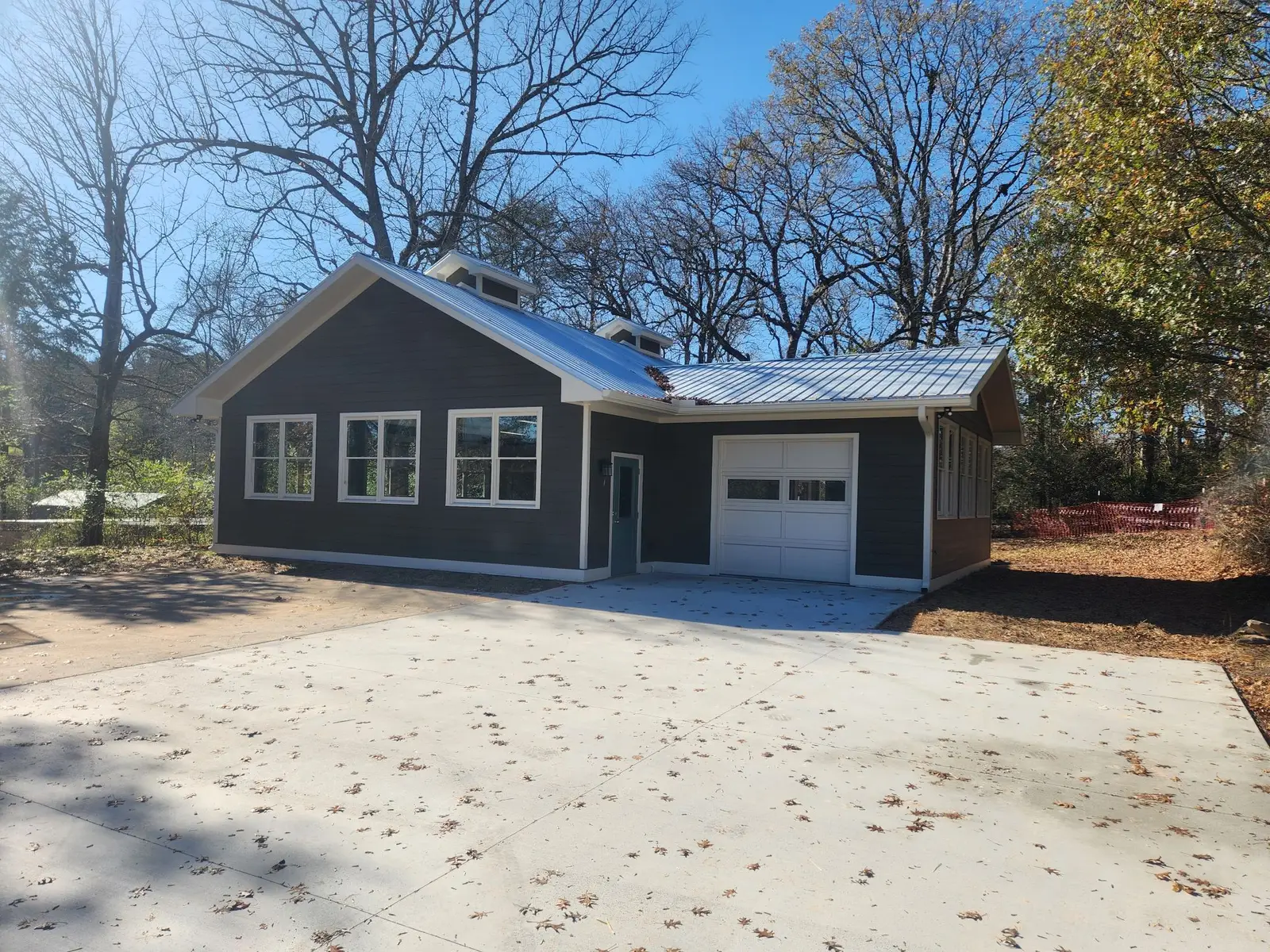
This is the part most museums never manage: the tradition here is still alive, and you're invited. In October 2025 the museum opened the John Burrison Pottery Studio next door, a purpose-built teaching space with nine wheels, a hand-building and sculpture area, and two electric kilns. The "Give it a Whirl" introductory session (around $85) puts complete beginners at a wheel with an instructor, and working ceramicists can buy a monthly open-studio membership. Fair warning from experience: clay gets everywhere, wear clothes you don't love, and the lopsided little bowl you take home will outlast most souvenirs you could buy in Helen. Check the class calendar before your trip, because sessions fill.
The Cabin on the Hill: An Unflinching Piece of History
A short walk down the Center's nature trail stands a small hand-hewn cabin that most drive-through visitors never see, and it may be the most important building in the valley. Built around 1850, it housed people enslaved by Edwin P. Williams, one of the valley's most prominent antebellum landowners. By 1861 Williams had acquired more than 2,300 acres, and he held 18 enslaved people whose forced labor logged his timber, raised his corn and livestock, and pressed native clay into the rust-red bricks that went into the White County courthouse in Cleveland.
The cabin stayed in use for generations, gathering porches and additions, until a Williams descendant donated the deteriorating structure to the community association in 2002 so it could be moved and preserved. The restoration became its own act of reconciliation: Caroline Crittenden, a descendant of slaveholders, and Andy Allen, whose ancestors were enslaved by the Williams family, worked together with local craftsmen to strip the building back to its original 16-by-28-foot form, rebuild the stone chimney, and roof it in hand-split white oak shingles fastened with cut nails. Joseph McGill of the national Slave Dwelling Project, who sleeps in surviving slave dwellings to draw attention to their preservation, has spent the night here. Living-history interpreters now use the site to tell the story of Black life in these foothills from 1822 to 1865, beside artifacts like the stone wall where, by oral tradition, Williams read the Emancipation Proclamation aloud to the people he had enslaved.
The story doesn't end at emancipation. Many freed families stayed, founding the Bean Creek community just north of the valley around a Missionary Baptist church whose congregation dates to the 1860s. For decades the pride of Bean Creek was the Valley Vets, the community's own baseball team, which drew big Fourth of July and Labor Day crowds to the ball ground past the church and traveled to face teams from across the region; descendants still gather there for a memorial game. It's one more layer in a valley that keeps all of its history, not just the comfortable parts.
The Old Sautee Store, Trading Since 1872
At the crossroads of GA-17 and GA-255 stands a white clapboard building with a porch full of antique advertising signs and a legitimate claim as Georgia's longest-operating store. The Old Sautee Store opened in 1872, and its front room is kept as a mercantile museum: scarred wooden counters, iron scales, shelves of century-old patent medicines still in their boxes, and a child-sized coffin resting quietly in a back corner, because a country store once sold everything a life required.
The back rooms are a working store with a Scandinavian streak, a legacy of the Norwegian owner who took over in the 1960s. The wheel of Swedish Farmer Cheese has been a bestseller for more than fifty years (they'll cut you a free sample), and the market counter builds sandwiches daily from 10:30 to 4, which makes this the easiest lunch stop in the valley. Store hours run 10 to 5 most days, a little later Friday and Saturday. Grab a bag of old-fashioned barrel candy for the ride to Nora Mill Granary, the 1876 gristmill just up the road that still grinds grits on the Chattahoochee.
Stovall Mill Covered Bridge
Two miles up GA-255, Georgia's shortest covered bridge crosses Chickamauga Creek in a single 36.8-foot span. Will Pardue built it in 1895 with a modified queen-post truss after floods took the earlier bridge, and it outlived the grist, saw, and shingle mills it once served; the mill and dam washed away in 1964, but the bridge stands, now owned by the White County Historical Society. Hollywood found it in 1951, when Susan Hayward filmed I'd Climb the Highest Mountain here.
There's no fee, parking is free, and picnic tables sit by the creek. Dusk is the hour to come, when low light strikes through the board slats and the creek runs loud enough to cover the highway. If old timber crossings are your thing, our covered bridges guide maps the rest of the region's survivors.
When to Come: A Festival for Every Season
The Center's calendar gives you a reason to time a trip around the valley rather than through it. In winter, the WinterFest Arts Tour spreads studio visits and demonstrations across the valley over Presidents Day weekend. Spring brings the Spring at Sautee Contra Dance Weekend in March, when the 1930s gym's sprung floor earns its keep, and the Fiber Festival in the Valley each May fills the campus with weavers, spinners, and the animals that grow the wool.
Midsummer is SOLfest, an immersive outdoor production of A Midsummer Night's Dream where the audience follows the actors across all 8.5 acres as the sun goes down; it's unlike anything else staged in the Georgia mountains. Labor Day weekend delivers the biggest draw of the year, the Folk Pottery Festival, with dozens of working potters, wheel-throwing and blacksmithing demonstrations, and an all-day old-time music jam. A farmers market runs Sunday mornings from late April through October. Cross-check dates with our Helen events calendar when you plan.
Planning Your Visit
Getting there: From downtown Helen, take GA-75 south two miles, then GA-17 east into the valley; the Sautee Nacoochee Center is five minutes farther on GA-255. You'll pass the Nacoochee Mound at the highway junction, and the whole loop (mound, Center, store, bridge) covers barely six miles of easy two-lane driving.
What it costs: Remarkably little. The Folk Pottery Museum, galleries, and African American Heritage Site are free (donations welcome). Hardman Farm charges a modest grounds fee, more for guided mansion tours. Pottery classes and festival tickets are the only real line items.
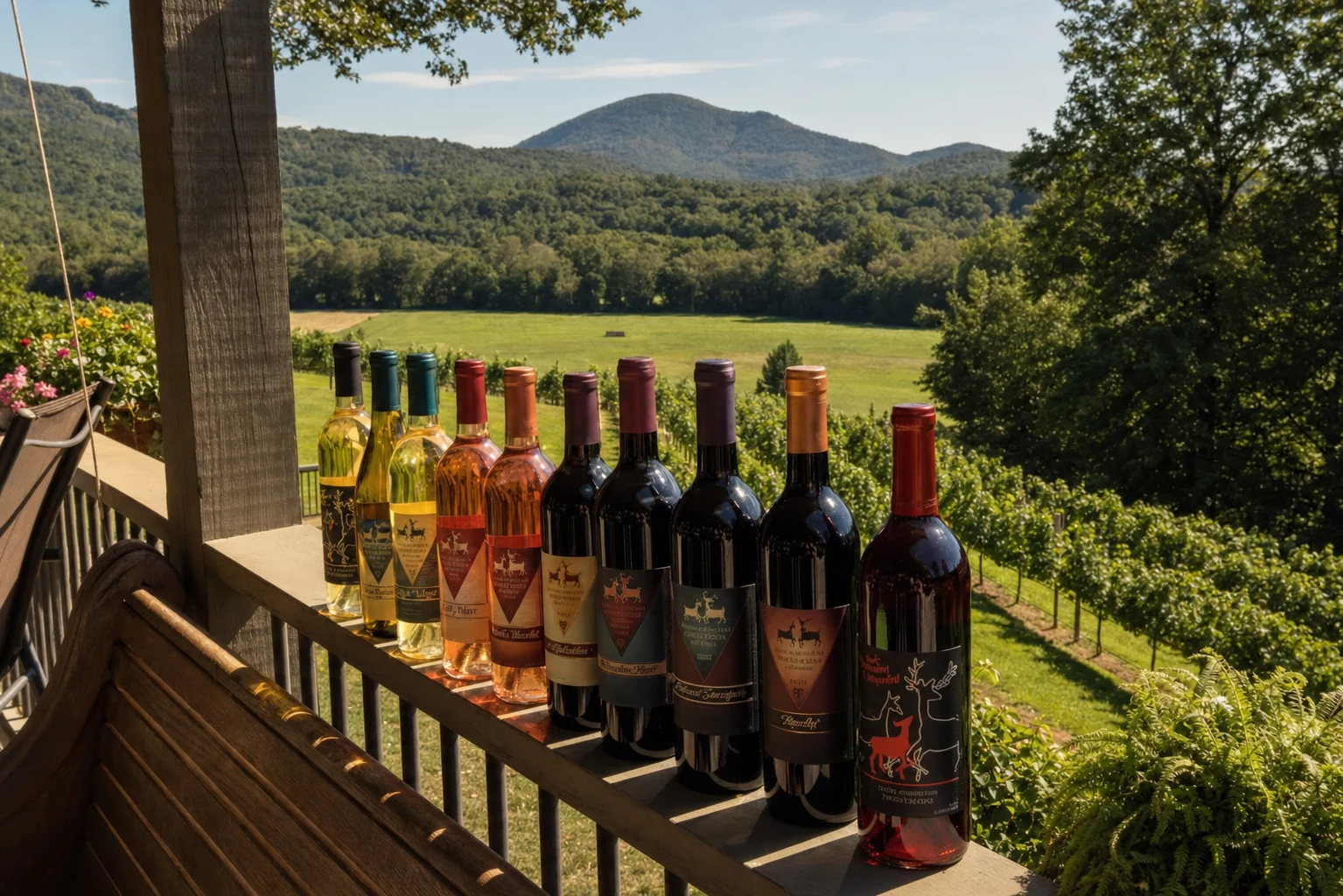
Where to eat: Sweetwater Coffeehouse (open daily 8 to 6, on GA-17) has been the valley's living room since 1995. The Old Sautee Store market handles lunch. For dinner, Harvest Habersham serves a farm-to-table menu sourced from local growers, Wednesday through Saturday evenings; it's small, so reserve ahead. The wineries along the Unicoi Wine Trail, including Yonah Mountain Vineyards with its underground cave tours, are all within a fifteen-minute drive.
Timing: Fall is the valley at full strength, with foliage over Yonah Mountain and the pottery festival kicking off the season, but spring's dogwoods and thin crowds run a close second. Most sites are open year-round; a rainy winter afternoon in the Pottery Maze followed by coffee at Sweetwater is a legitimately great use of an off-season day. Wear shoes that can handle gravel, bring a camera for the mound at golden hour, and give the valley more time than you think it needs. Everyone does the drive-through first; the people who stop are the ones who come back.
Related Imagery from Around Helen