
The Foxfire Museum and Heritage Center
From a 1966 English class to a bestselling book series and a village of 20-plus historic log cabins near Helen.
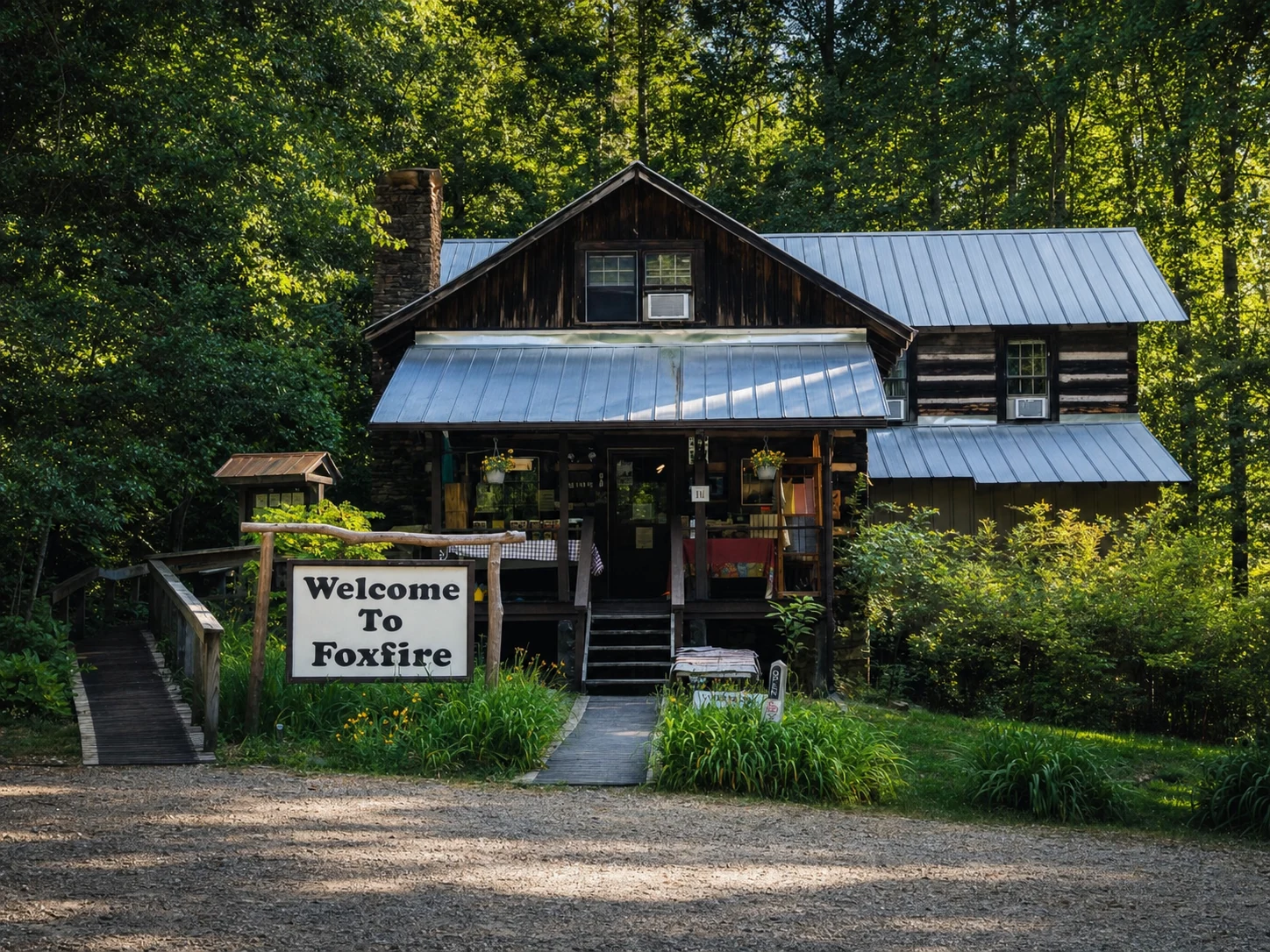
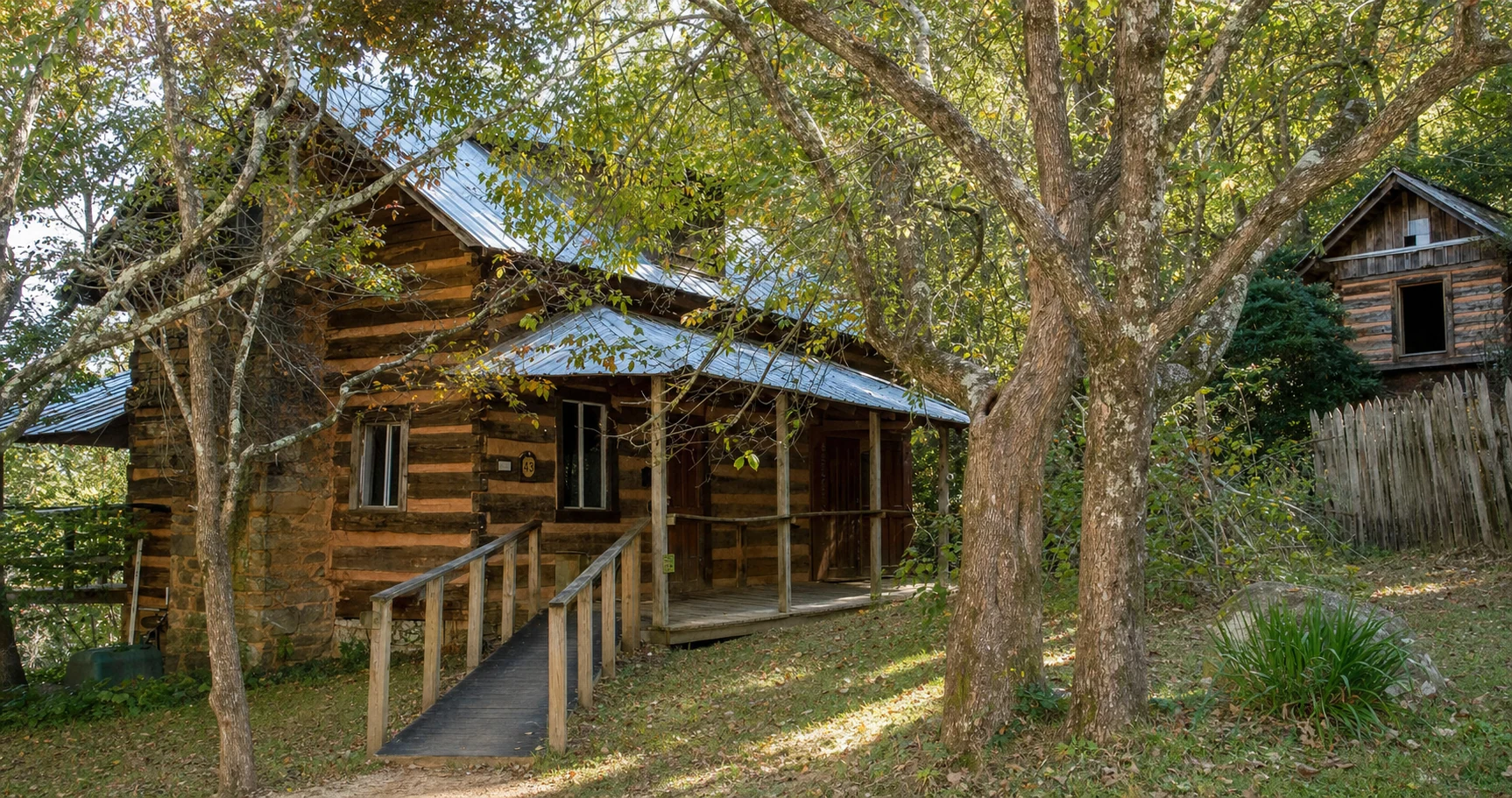
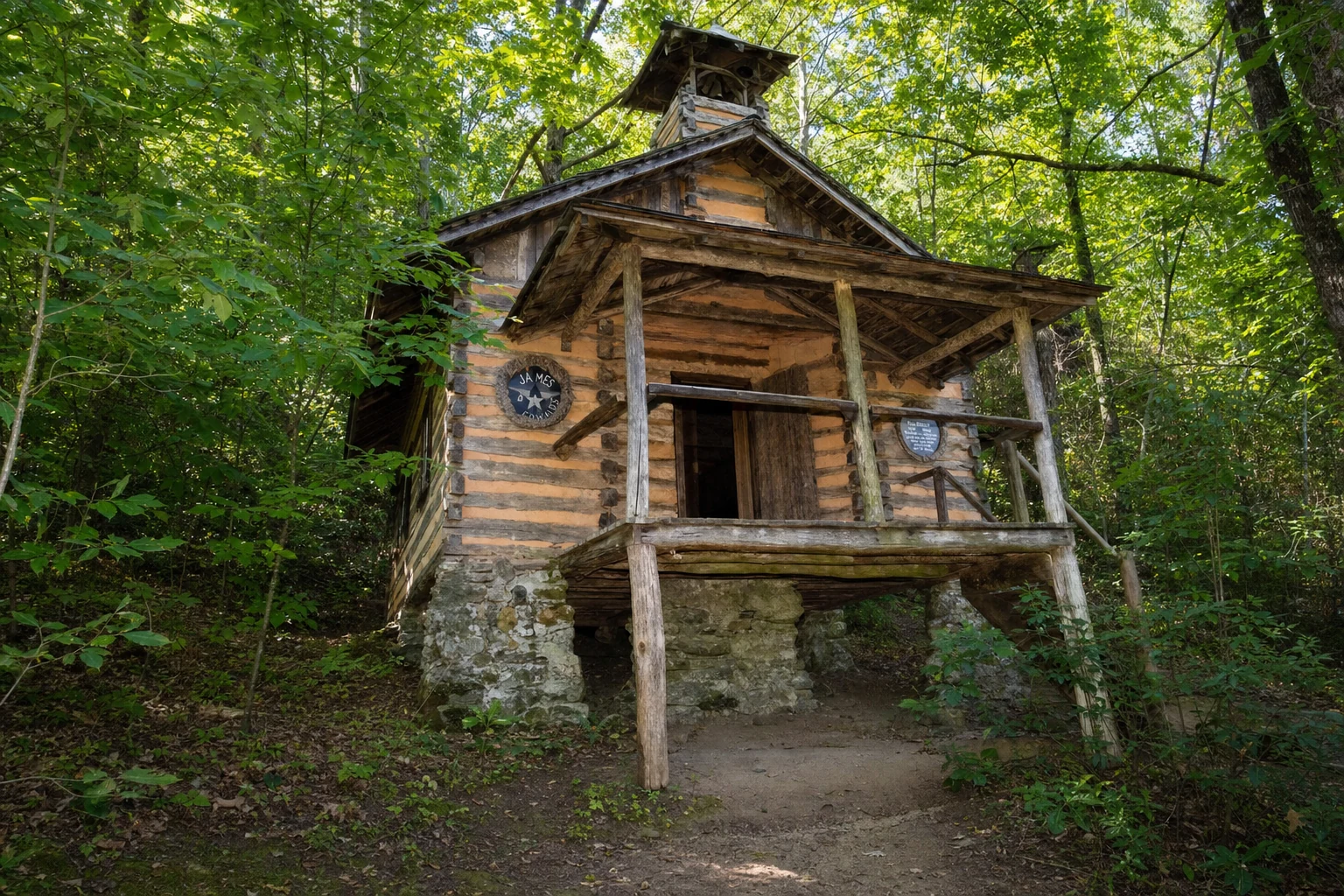
The Foxfire Museum and Heritage Center in Mountain City, Georgia, grew out of a high school English class project in 1966 and became something no one expected: a bestselling book series, a globally recognized teaching philosophy, and a physical heritage village with over 20 historic log structures. What follows covers the Foxfire story in full - how students documented Southern Appalachian culture, why the log cabins on these grounds matter, how blacksmithing and craft demonstrations keep old skills alive, and what you need to know to visit from Helen, Georgia.
It began in 1966 at Rabun Gap-Nacoochee School, where teacher Eliot Wigginton and his students launched a magazine to document local Appalachian lore. They named it after a bioluminescent fungus found in the local hills.
The oral histories the students collected were gathered into The Foxfire Book (1972) and the volumes that followed, which sold millions of copies and preserved vanishing skills like hog dressing, moonshining, and log cabin building.
The Short Version
The Foxfire Museum and Heritage Center in Mountain City, Georgia, grew out of a high school English class project that turned into something nobody expected. What started in 1966 as a student magazine documenting local Appalachian traditions became a bestselling book series, a recognized educational philosophy, and a heritage village with over 20 historic structures. What follows covers the Foxfire story from its classroom origins through the book series, the log cabins and craft demonstrations at the museum, and what you need to know to visit from nearby Helen, Georgia.
It began in 1966 at Rabun Gap-Nacoochee School, where teacher Eliot Wigginton and his students launched a magazine to document local Appalachian lore. They named it after a bioluminescent fungus found in the local hills.
The oral histories the students collected were gathered into The Foxfire Book (1972) and the volumes that followed, which sold millions of copies and preserved vanishing skills like hog dressing, moonshining, and log cabin building.
Book royalties let the students buy land in 1974 for a physical museum. It now holds over 20 historic log structures, including the Zuraw Wagon, the only documented wagon remaining from the Trail of Tears.
Today the site works as a hands-on educational center, with classes in blacksmithing, weaving, and pottery that carry on the "Foxfire Approach" to learning.
It sits about 20 miles north of Helen, Georgia, right off US-441, and makes a sharp contrast with Helen's alpine tourism and its pioneer heritage. The Appalachian Trail Conservancy recognizes the Foxfire project as a key cultural heritage resource.
How Foxfire Started: Eliot Wigginton and His Students
The Foxfire Museum exists because of a classroom experiment that started in the mid-1960s. There was no grand plan to build a museum. It began as a teacher's attempt to get bored high school students to care about their English class.
The Classroom in 1966
In 1966, Eliot Wigginton, a fresh graduate from Cornell University, began teaching English at the Rabun Gap-Nacoochee School in Northeast Georgia. He quickly realized that the traditional curriculum failed to resonate with his students, many of whom he described as "hostile, bored, and rambunctious". The cultural disconnect between standard academic requirements and the lived reality of the students - residents of the Southern Appalachian mountains - created an educational impasse.
In a moment of frustration, Wigginton asked the students what they would prefer to do. The consensus was to create a magazine. Rather than producing a typical school literary journal filled with poems and club reports, the students decided to look outward. They chose to interview their own relatives and neighbors - grandparents, great-aunts, and local elders - to document the stories, crafts, and traditions of the region.
Where the Name Came From
The students required a name for their publication that reflected their local identity. They chose "Foxfire," the local term for a phosphorescent lichen (fungi) that glows in the dark on decaying wood in the damp forests of the Appalachians. The name was metaphorically potent: it represented something organic, native to the region, and capable of shining light in the darkness.
Students as Cultural Journalists
The students' work effectively pioneered a genre often called "cultural journalism". Armed with tape recorders and cameras, teenagers ventured into the community to record instructions on how to build a chimney, how to plant by the signs of the zodiac, and how to slaughter a hog. This inverted the traditional classroom dynamic; the students became the researchers and historians, while the community elders became the teachers. The first issue was published in March 1967 and sold out quickly, fueled by local interest in an interview with a sheriff regarding a 1936 bank robbery.
The Foxfire Book Series
While the magazine was a local success, the project achieved international fame through the publication of The Foxfire Book series. These anthologies transformed student coursework into a permanent archive of American folk wisdom.
From Magazine to Bestseller
By the early 1970s, the magazine had garnered attention far beyond Rabun County. In 1972, Doubleday published The Foxfire Book, an anthology of the best articles from the magazine. The book was an unexpected bestseller, tapping into a national "back-to-the-land" movement and a growing nostalgia for pre-industrial self-sufficiency.
What the Books Cover
The series eventually expanded to 12 volumes, along with several special anniversary editions and cookbooks. The content is encyclopedic in its coverage of Appalachian survival skills and social customs.
Foxfire 1 (1972): This seminal volume covered foundational skills: hog dressing, log cabin building, mountain crafts, planting by the signs, snake lore, and faith healing. It established the format of step-by-step instructions accompanied by oral history transcripts.
Foxfire 2: Focused on ghost stories, spring wild plant foods, spinning and weaving, midwifing, burial customs, and corn shuckin's.
Foxfire 3: Covered animal care, banjos and dulcimers, hide tanning, and summer and fall wild plant foods.
Foxfire 4: Explored fiddle making, spring houses, horse trading, gardening, and berry buckets.
Foxfire 5: Featured ironmaking, blacksmithing, flintlock rifles, and bear hunting.
Why the Books Mattered
The books did more than teach skills; they validated Appalachian culture. For decades, mountain residents had been depicted in media as uneducated "hillbillies." Foxfire presented them as ingenious engineers, skilled artisans, and philosophers of simple living. The Blue Ridge Heritage Trail continues this mission of validating Appalachian cultural contributions. The royalties from these books provided the financial independence necessary to build the physical museum.
The Heritage Village and Its Log Cabins
The financial success of the book series allowed the students to purchase land in 1974 on the slopes of Black Rock Mountain. This marked the transition of Foxfire from a literary project to a physical institution: The Foxfire Museum and Heritage Center.
Related Imagery from Around Helen