Martin's Mine Trail
Walk through the remnants of north Georgia's gold mining past along Dukes Creek
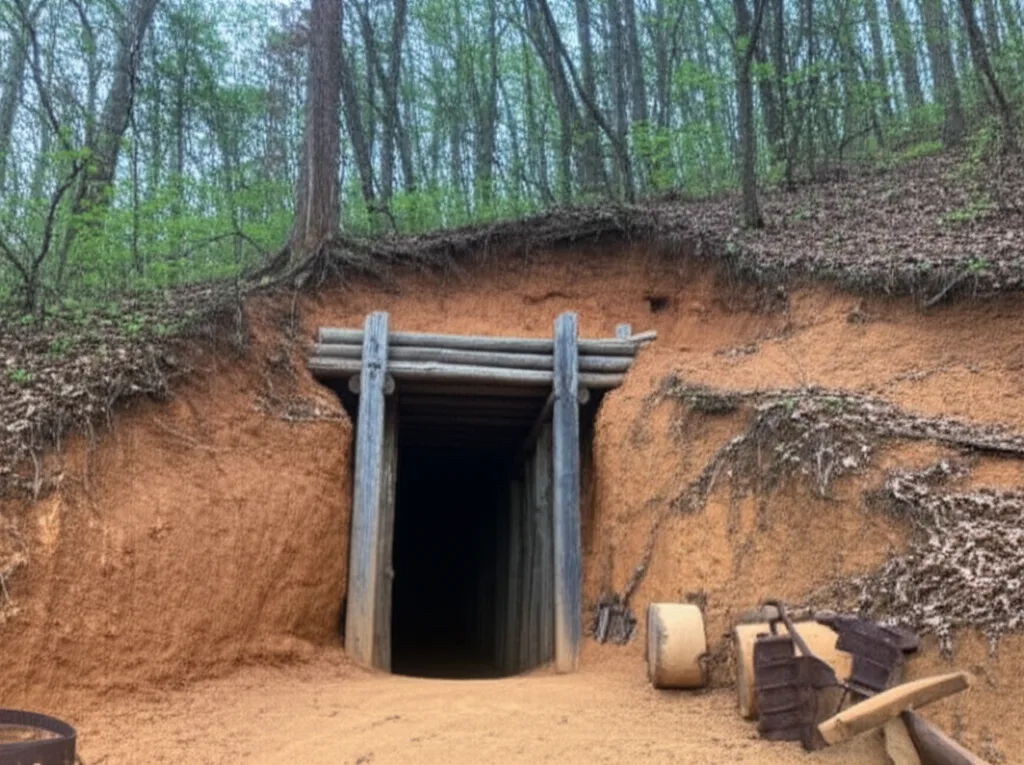
Martin's Mine Trail at Smithgall Woods State Park is part nature walk, part history lesson. The trail follows Dukes Creek through land that saw serious gold mining activity in the 1800s. You can still see hydraulic ditches carved into hillsides, sealed vertical mine shafts, and scarred terrain where whole slopes were washed away. Interpretive signs along the way explain what happened here and who did it.
Before the California Gold Rush of 1849 captured the nation's imagination, it was Georgia that experienced America's first significant gold rush. Beginning in 1828, prospectors flooded into the mountains of northeast Georgia, and the Dukes Creek area was one of the richest gold-bearing regions in the state. The Martin family operated one of the more substantial mining operations along the creek, using hydraulic mining techniques that diverted water through hand-dug ditches to wash away hillsides and expose the gold-bearing gravel beneath. The trail walks you through the physical evidence of this remarkable chapter in Georgia history.
Trail Description
History and nature intertwined along the creek
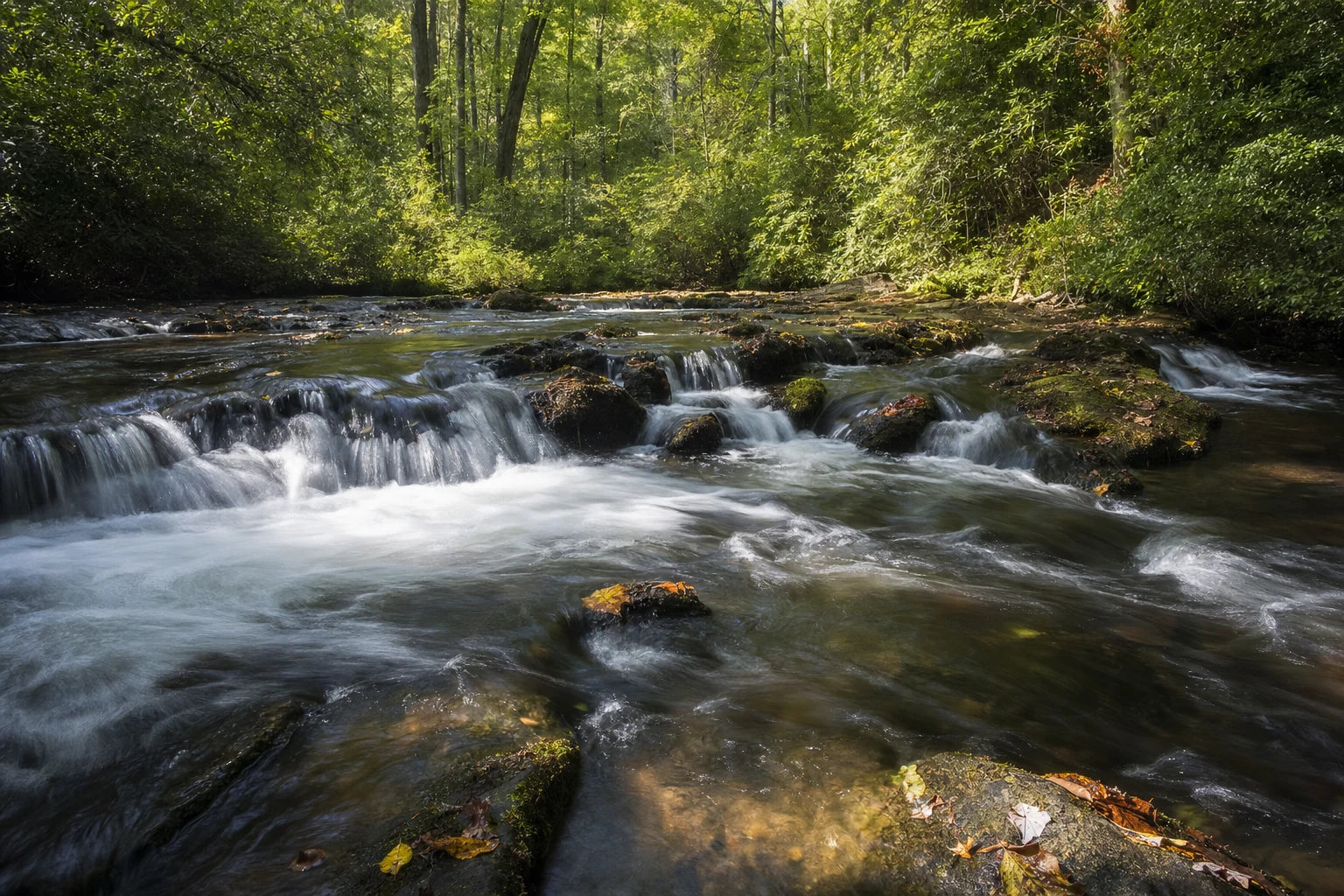
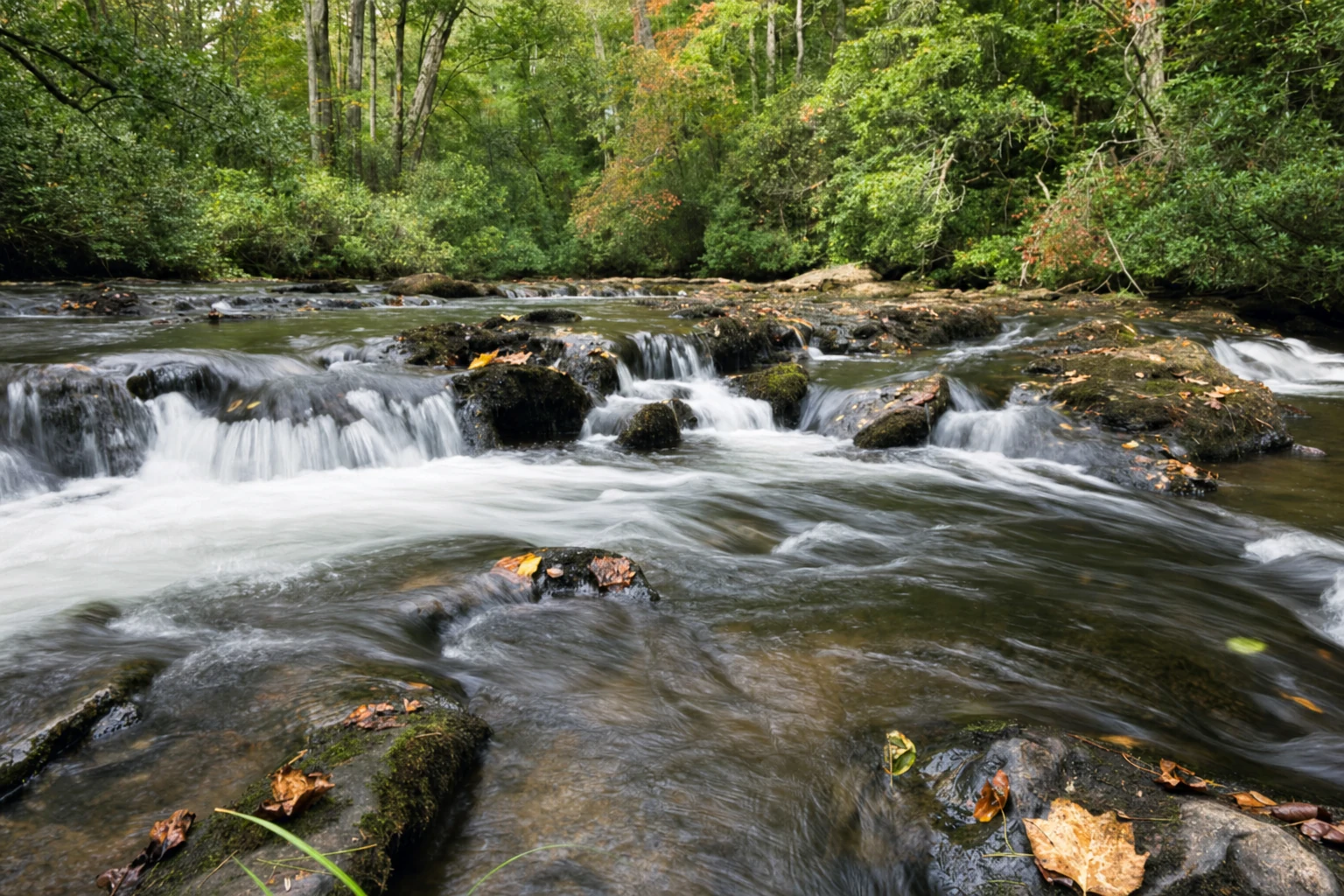
The Martin's Mine Trail begins near the park visitor center and follows Dukes Creek through a rich riparian forest of hemlock, birch, and rhododendron. The creek itself is one of the finest trout streams in Georgia, its clear water flowing over rocks and through deep pools that have been shaped by both natural forces and the mining operations of a century ago. The trail surface is packed earth and is mostly level, making it accessible to a wide range of visitors.
Along the route, you will encounter the first evidence of mining activity about a quarter mile from the trailhead. Hydraulic mining ditches - long, narrow channels carved into the hillside - run parallel to the creek, remnants of the water diversion systems that were essential to the mining process. These ditches carried creek water at high pressure to wash away soil and expose the underlying rock and gravel where gold particles were trapped. The ditches have been partly reclaimed by the forest over the past century and a half, but their linear form is still clearly visible in the landscape.
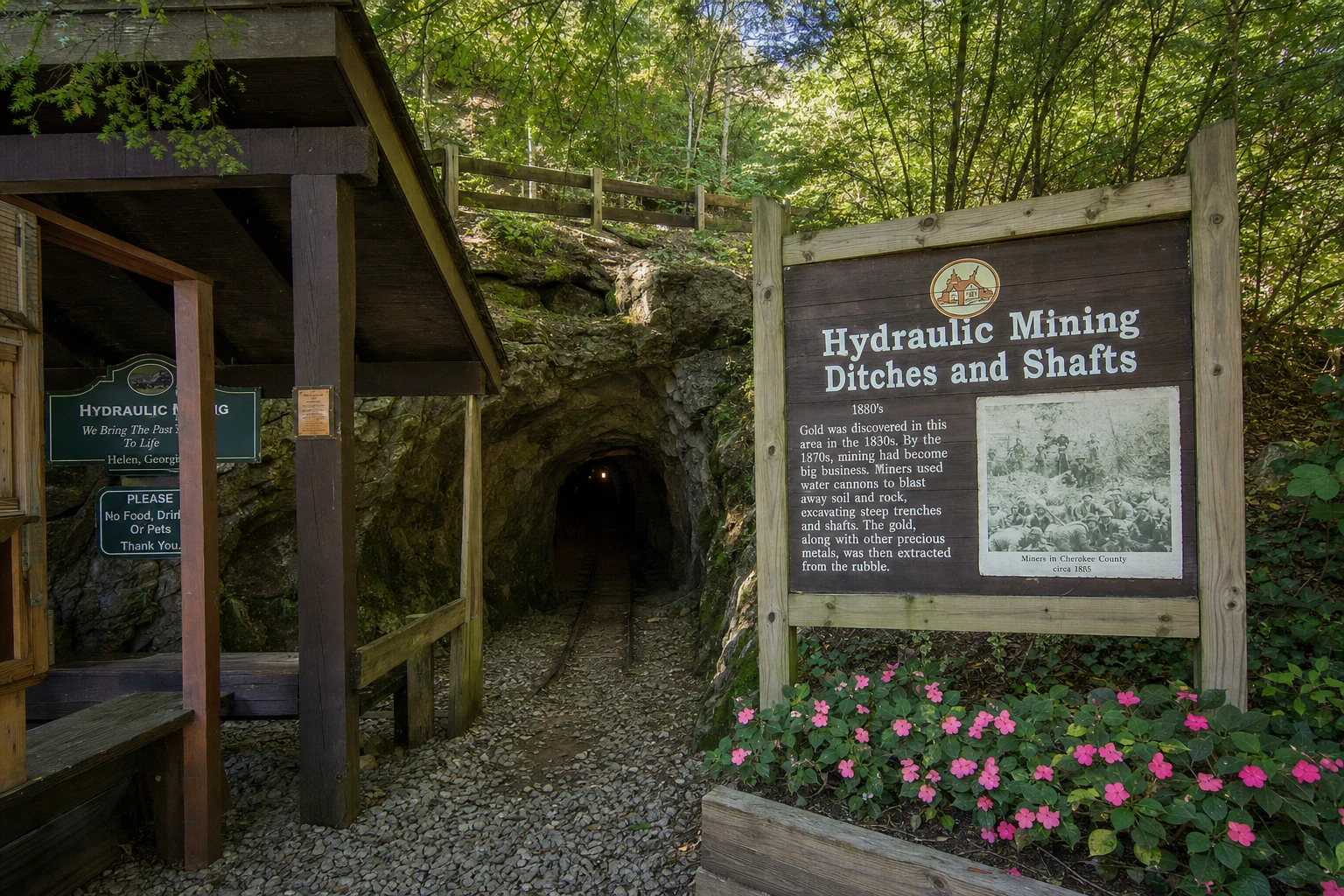
Farther along the trail, interpretive signs mark the locations of vertical mine shafts that were driven into the hillsides to follow promising gold veins deeper underground. These shafts have been sealed for safety, but the interpretive panels include historical photographs and diagrams that explain how they were constructed and operated. The trail also passes areas where the hillside was dramatically reshaped by hydraulic mining - places where the entire surface was washed away, leaving exposed rock faces and unnatural contours that stand in stark contrast to the surrounding forest.
The Georgia Gold Rush
America's first gold rush began in these mountains
The discovery of gold in northeast Georgia in 1828 triggered a rush of prospectors that transformed the region almost overnight. By the early 1830s, thousands of miners were working the streams and hillsides of White, Lumpkin, and Habersham counties. The federal government established a branch mint in Dahlonega - about 25 miles southwest of Helen - to process the gold being extracted from the region, and the town's name derives from the Cherokee word for "yellow" or "gold."
The gold rush had profound consequences for the region's indigenous people. The Cherokee Nation, which had inhabited these mountains for centuries, was forcibly removed from their lands in part because of the discovery of gold on their territory. The Trail of Tears, the Cherokee forced relocation to Oklahoma in 1838, was directly connected to the pressure created by white settlers and miners flooding into the gold-bearing regions of north Georgia. Walking the Martin's Mine Trail, it is important to recognize this complex and painful history alongside the engineering ingenuity of the mining operations themselves.
Mining activity in the Dukes Creek area continued intermittently through the Civil War era and into the late 19th century, though production declined as the most accessible deposits were exhausted. By the early 20th century, most commercial mining had ceased, and the forest slowly reclaimed the scarred landscape. Today, the Martin's Mine Trail provides a window into this era, allowing visitors to see firsthand how mining shaped both the physical landscape and the human history of the mountains.
Natural Beauty Along the Trail
Where gold mining meets ecological recovery
For a place that got torn up pretty badly by mining, the forest along this trail has made a remarkable comeback. Dukes Creek runs crystal clear now and holds both wild and stocked trout, which tells you a lot about the water quality. Rhododendron, doghobble, and ferns line the creek banks, and overhead you'll walk under hemlocks, white pines, and hardwoods that have been reclaiming this ground for over a century.
The forest here is home to plenty of wildlife too. If you look carefully in the moist areas near the creek, you'll spot salamanders; the Southern Appalachians have more salamander species than anywhere else on the planet. Birders can expect Louisiana waterthrush, Acadian flycatcher, and wood thrush along the trail. Walking through, it's hard not to notice the contrast between the old mining scars and the healthy forest growing right through them.
Visitor Tips
Making the most of your visit
Read the Signs
Take time to read each interpretive panel along the trail. They contain fascinating details about mining techniques, local history, and the geology of the gold deposits that are easy to miss if you rush through.
Combine with Laurel Ridge
Pair this trail with the Laurel Ridge Trail for a half-day outing that covers both the history and the natural beauty of Smithgall Woods.
Check Park Days
Smithgall Woods is only open Wednesday through Sunday. Plan accordingly. The park is closed Monday and Tuesday.
Gold Panning Nearby
For a hands-on gold experience, several commercial gold panning attractions operate in the Helen area. Kids especially enjoy trying their luck at finding flakes.
More to Explore
Related trails, attractions, and experiences
Related Imagery from Around Helen