Smithgall Woods State Park
The 'Wilderness Within the Wild' - 5,664 acres of pristine mountain forest and trophy trout waters
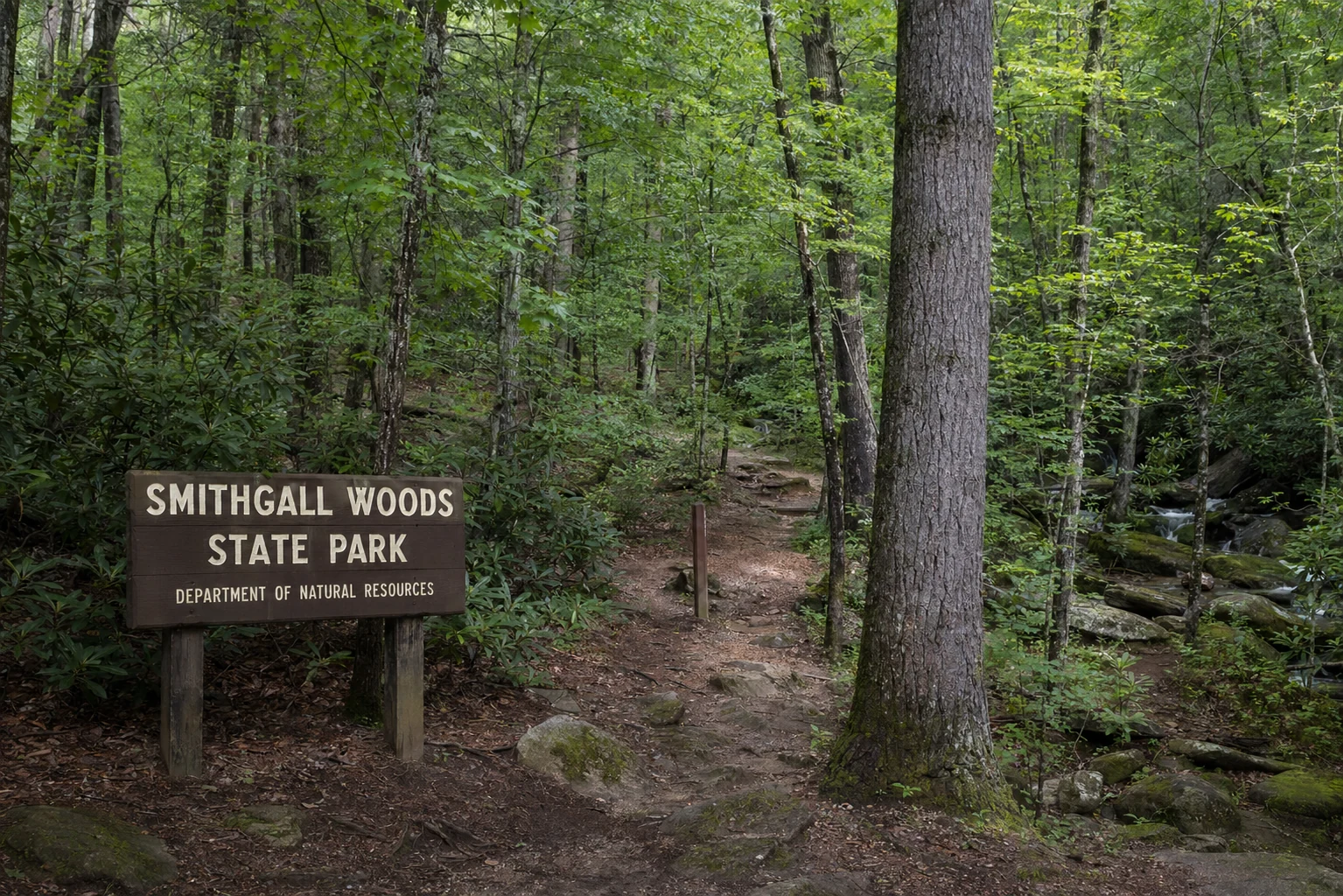
Smithgall Woods State Park is often called the "Wilderness Within the Wild," and the name could not be more fitting. This 5,664-acre conservation area represents one of the most carefully preserved natural landscapes in the Georgia mountains. While other parks near Helen buzz with activity, Smithgall Woods offers something increasingly rare - profound solitude. Vehicle access is limited, visitor numbers are naturally controlled, and the result is a landscape that feels genuinely untouched by the modern world.
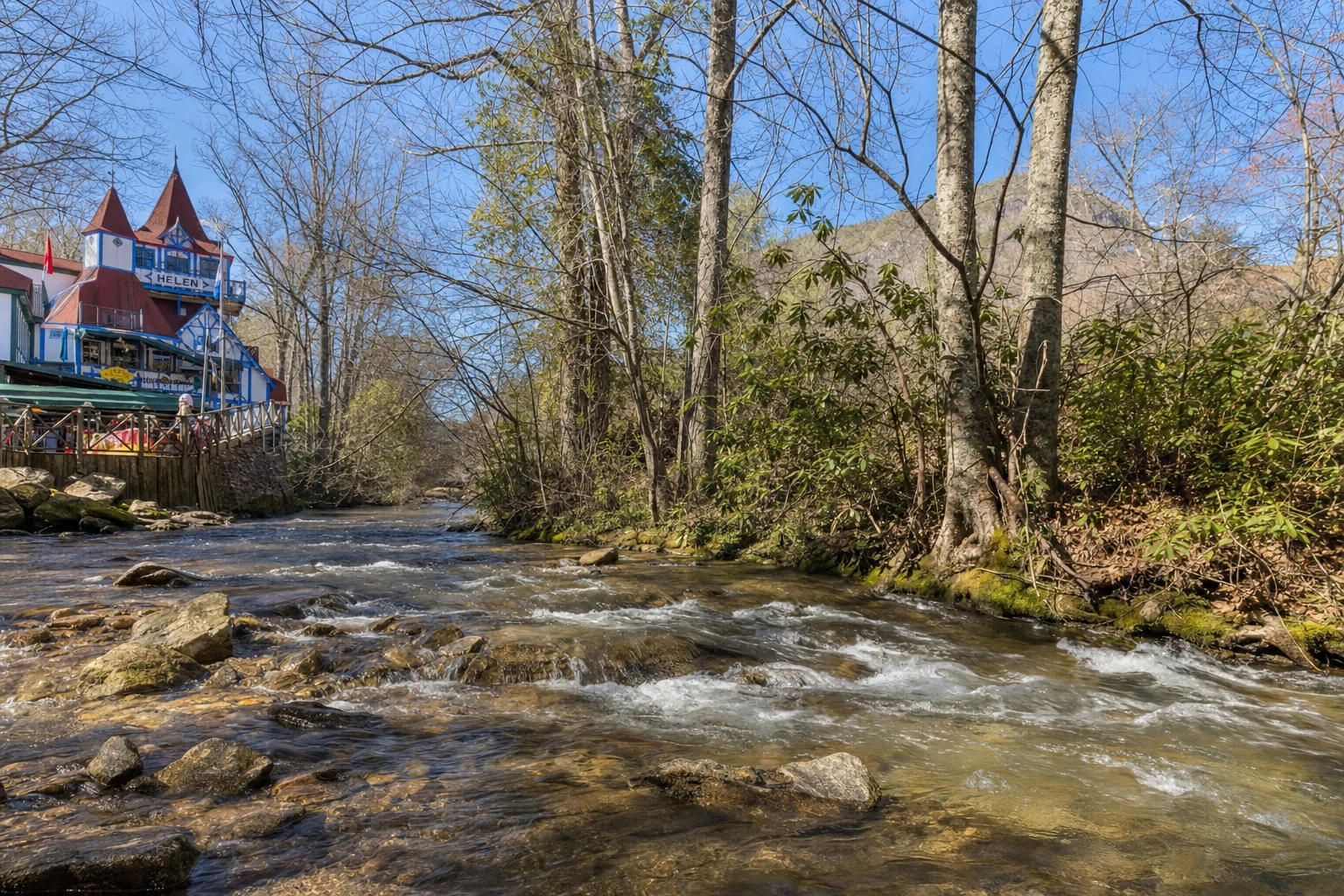
At the heart of the park flows Dukes Creek, widely regarded as one of the finest trout streams in the entire state of Georgia. The creek's catch-and-release trophy trout waters draw fly fishers from across the Southeast, while the park's 23 miles of hiking trails, rich birding habitat, and diverse wildflower displays attract naturalists, photographers, and anyone seeking a deeper connection with the Appalachian forest. Smithgall Woods is not a park for thrill-seekers - it is a sanctuary for those who value quiet, beauty, and the simple pleasure of walking through an ancient forest.
Trophy Trout Fishing
Dukes Creek - Georgia's premier catch-and-release stream
Dukes Creek is the primary reason many visitors first discover Smithgall Woods, and it is easy to understand why. Widely considered the premier trophy trout stream in the entire Southeast, the creek runs for approximately four miles through the park, its cold, clean waters supporting healthy populations of rainbow trout and brown trout - some reaching trophy proportions of 20 inches or more. The stream is managed exclusively as catch-and-release water, with artificial lures only, ensuring that the fish population remains robust and the quality of the fishing experience stays exceptional.
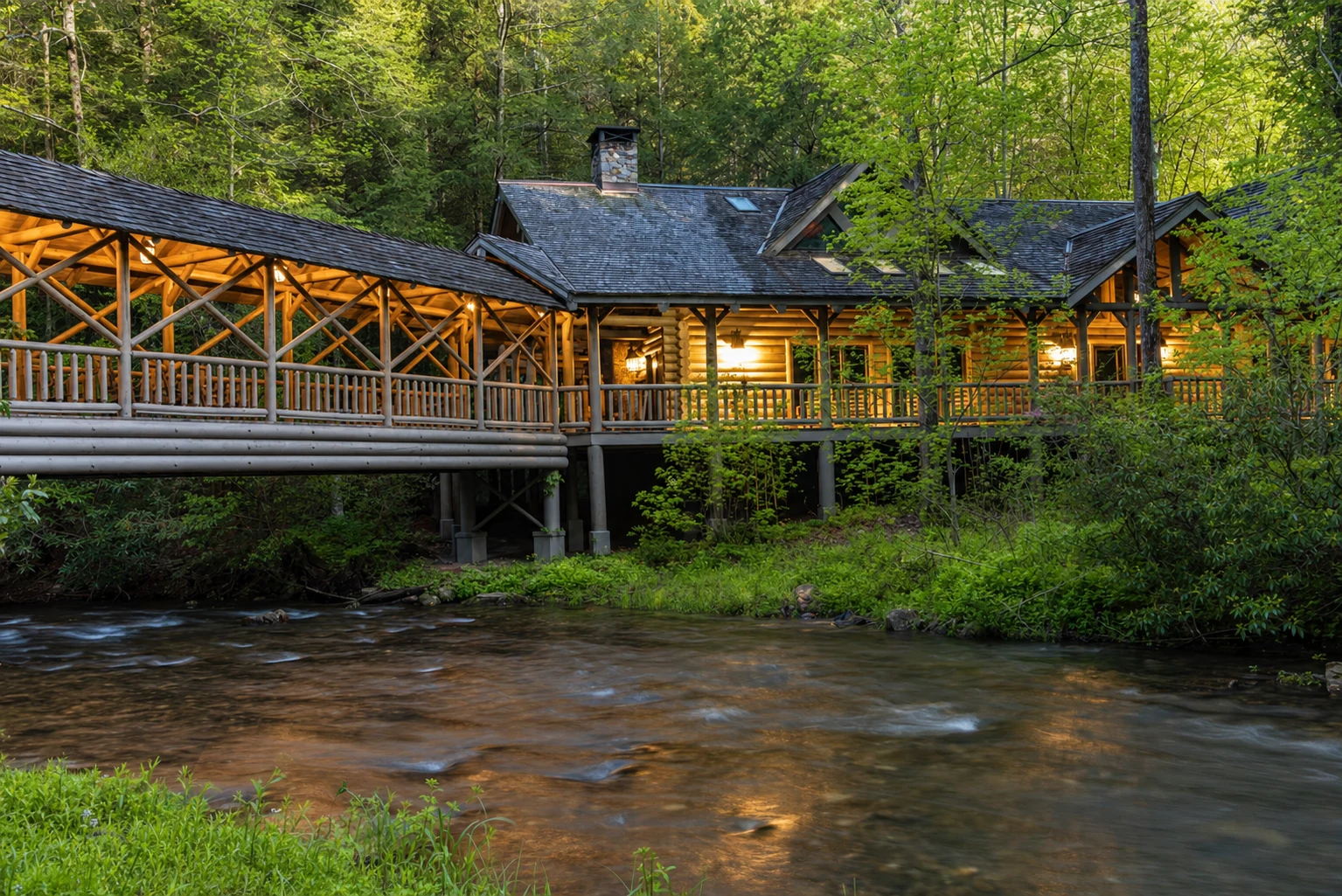
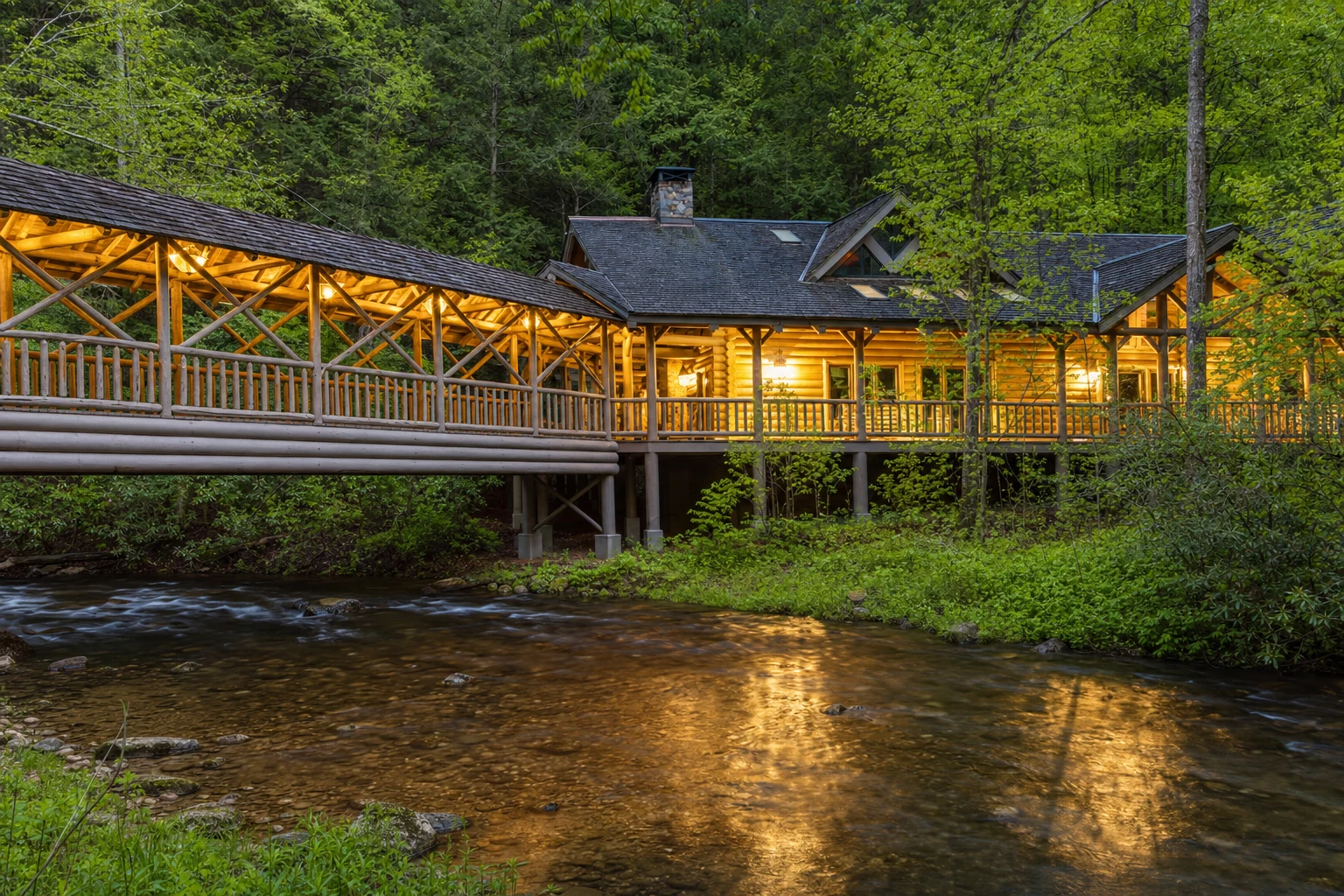
Fishing is permitted Wednesday through Saturday during the regular trout season (late March through October), with a daily fishing permit required in addition to a valid Georgia fishing license. Advance reservations are required, and the number of anglers is strictly limited each day to protect both the resource and the experience. The creek offers a variety of water types - deep pools, rocky riffles, undercut banks, and shaded runs - making it rewarding for fly fishers of all skill levels. For anglers who want to extend their stay, the park offers elegant creekside cottages designed with fishermen in mind - imagine stepping out your front door in the early morning mist and being on the water within minutes.
Trails & Hiking
23 miles through mountain forest, meadows, and creek bottoms
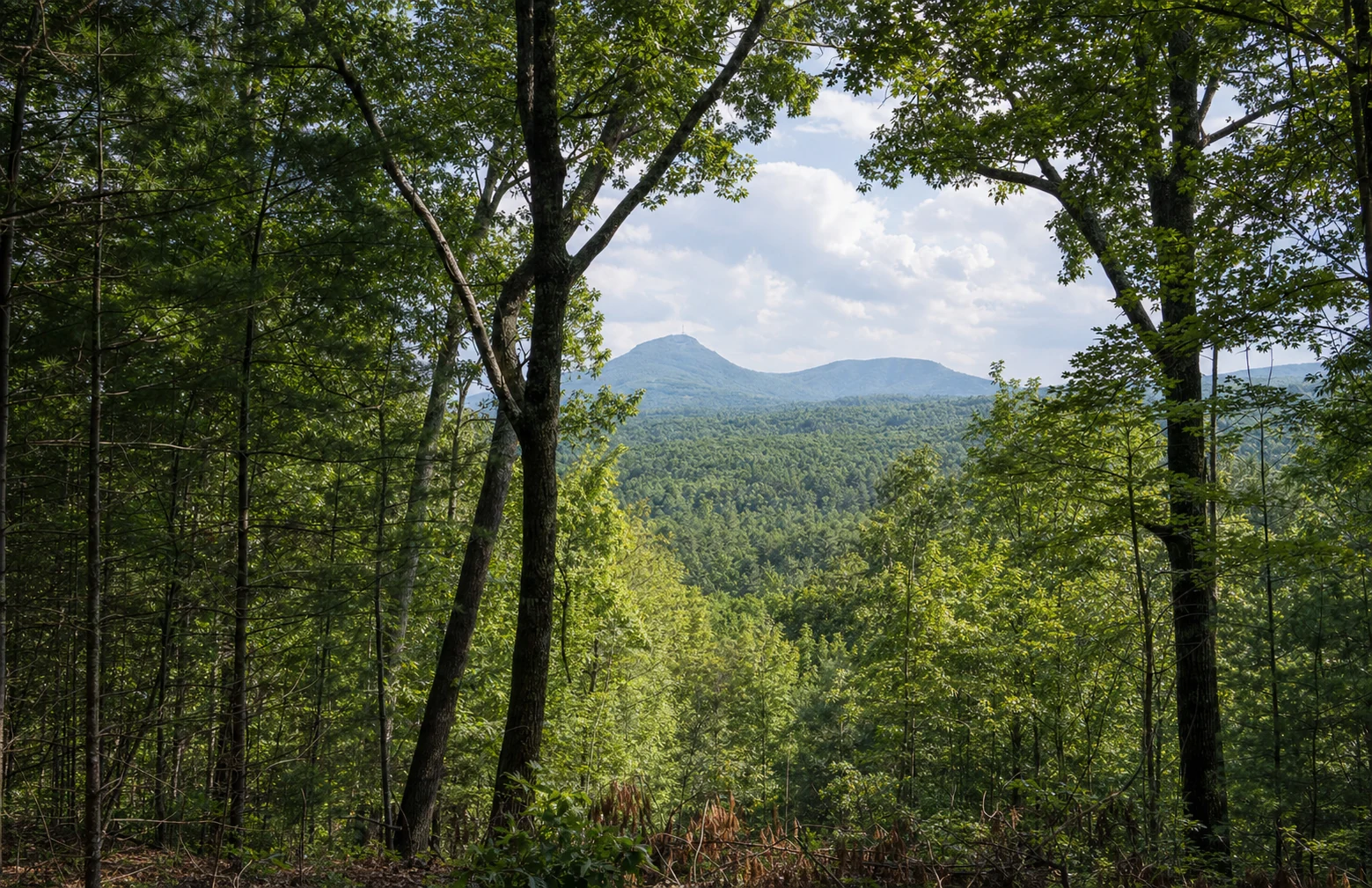
The park maintains 23 miles of excellent trails that range from easy creekside strolls to moderately challenging ridge hikes. The Laurel Ridge Trail is the most popular, a 3-mile loop that climbs through mixed hardwood forest to a ridgeline with sweeping views of Mount Yonah before descending through a corridor of mountain laurel. The trail is particularly beautiful in late April and May when the laurel blooms white and pink, and the views of Mount Yonah from the ridge are among the best in the park.
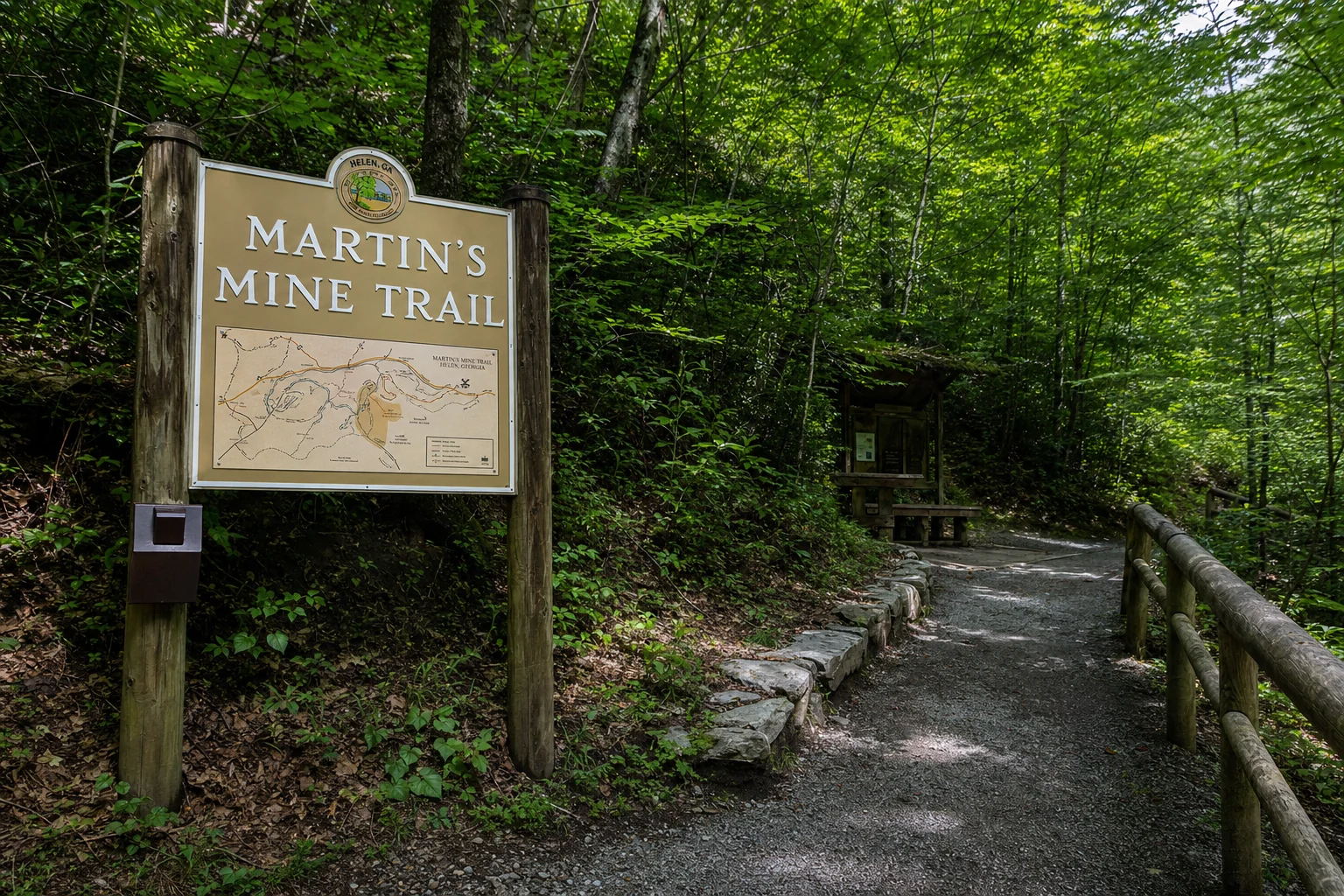
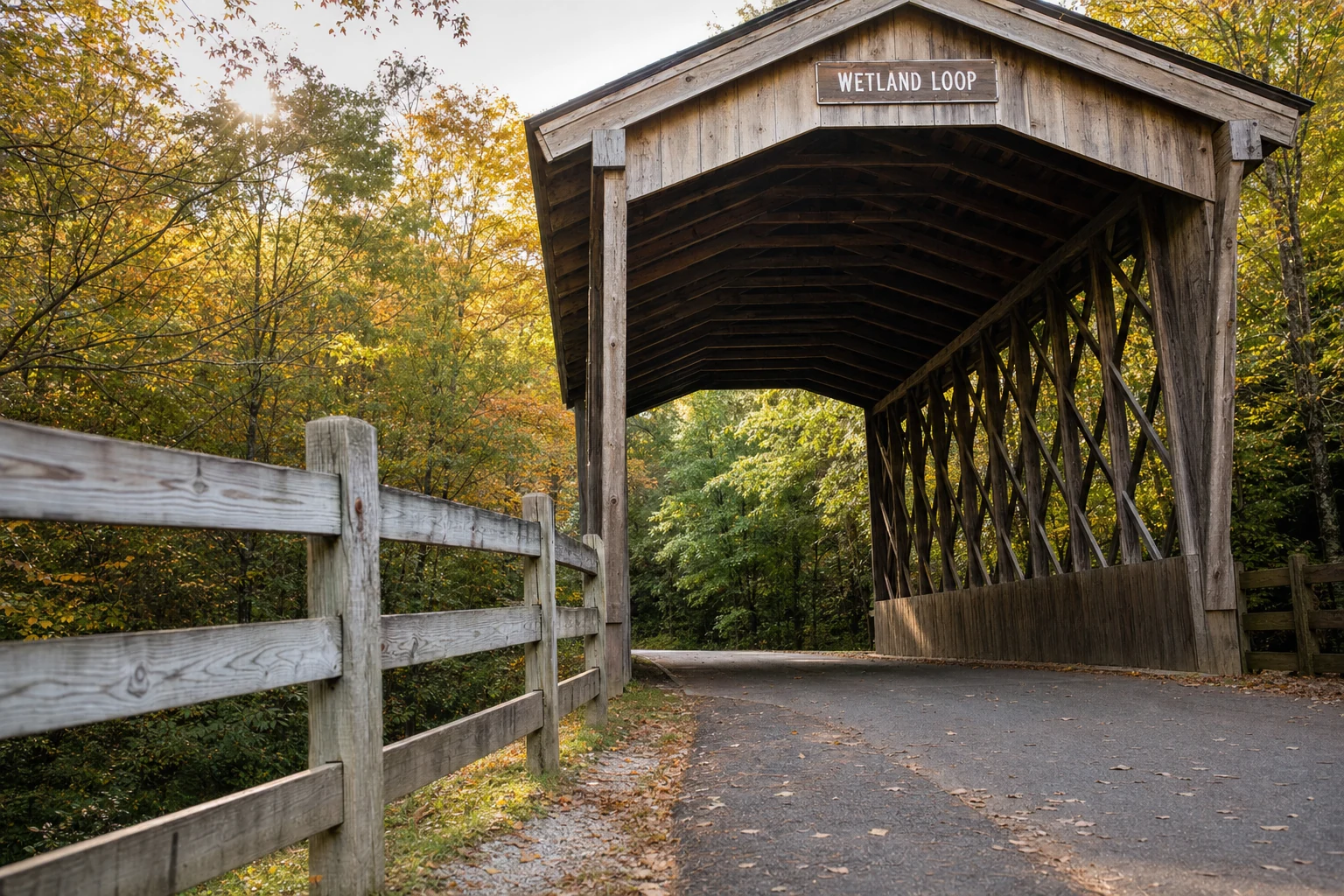
Martin's Mine Trail is a fascinating history-meets-nature hike that leads to the remains of a 19th-century gold mining operation, when Georgia's gold rush brought prospectors to these mountains. Along the trail, you can still see the remnants of hydraulic ditches and vertical shafts that miners carved into the hillside - silent witnesses to the frenzy that swept through these mountains decades before the California Gold Rush. The Wetland Loop offers easy walking through a diverse wetland habitat where birding is outstanding - look for great blue herons, wood ducks, kingfishers, and a variety of warblers in season. The Cathy Ellis Memorial Trail provides wheelchair-accessible fishing access along a section of Dukes Creek.
Because vehicle access within the park is restricted, many of the trails feel remarkably isolated. It is common to hike for an hour or more without encountering another person. This sense of solitude, combined with the park's natural beauty, makes Smithgall Woods an exceptional destination for those who want to truly lose themselves in the forest.
Wildlife & Nature
A protected haven for Appalachian biodiversity
The park's size and limited visitor access create ideal conditions for wildlife. White-tailed deer are commonly seen grazing in the open meadows near the visitor center, especially in the early morning and late afternoon. Wild turkeys, ruffed grouse, and a wide variety of songbirds populate the diverse forest habitats. The park is considered one of the best birding locations in the north Georgia mountains, with over 100 species documented.
Wildflower enthusiasts will find Smithgall Woods particularly rewarding. Spring brings waves of color to the forest floor - trilliums, bloodroot, hepatica, violets, jack-in-the-pulpit, and lady slipper orchids all thrive in the rich mountain soils. Summer brings mountain mint, bee balm, and black-eyed Susans to the meadow areas, while fall sees the forest canopy transform into a spectacular mosaic of red, orange, gold, and bronze. The park's ecological diversity reflects the full range of Southern Appalachian forest types, from moist cove hardwoods along the creek to drier oak-hickory forests on the ridges.
Photo Gallery
The wild beauty of Smithgall Woods
Dukes Creek - one of Georgia's finest trophy trout streams
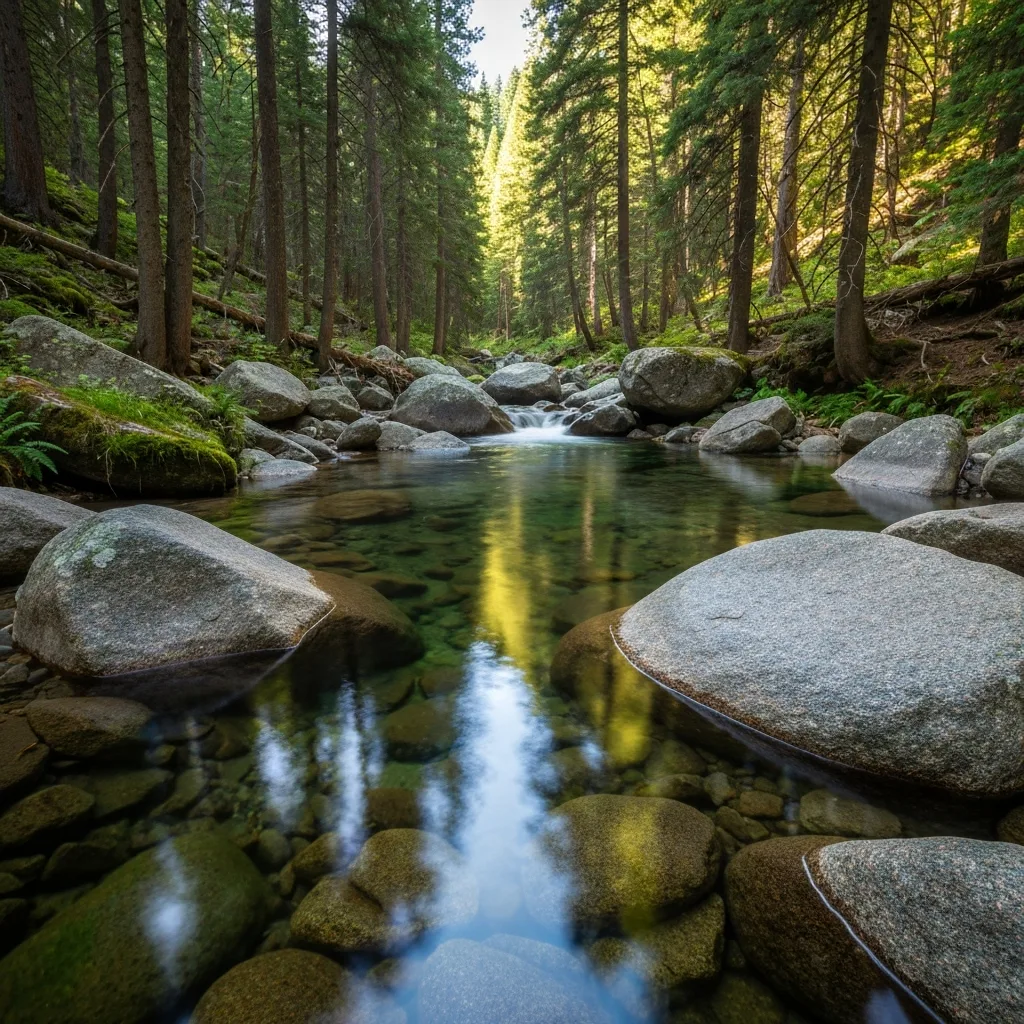
Crystal clear waters support a thriving trout population
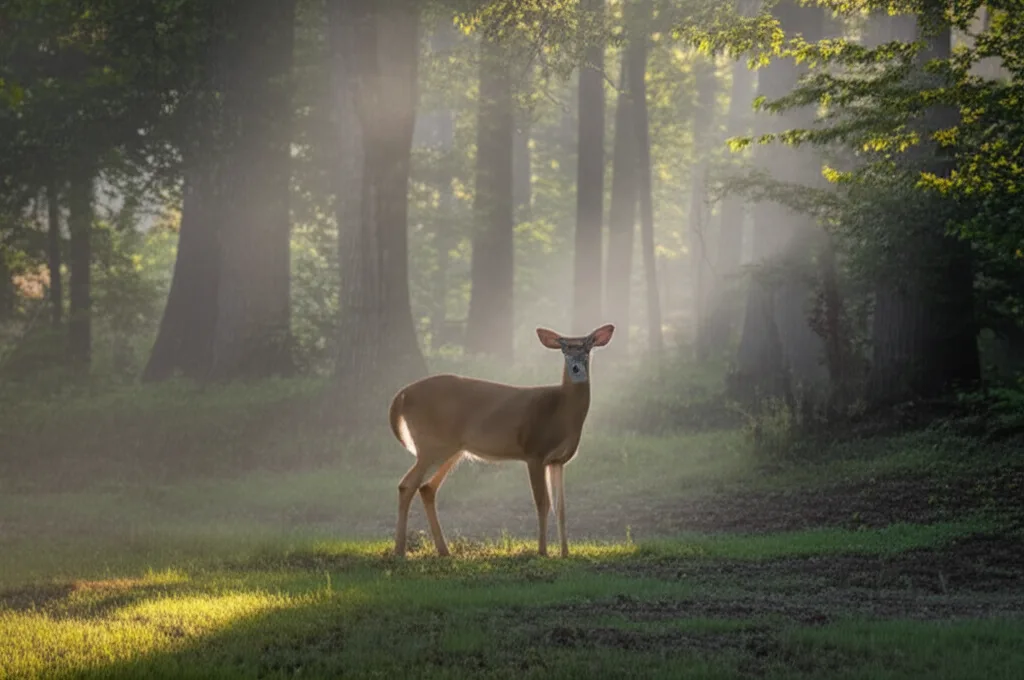
White-tailed deer graze in the park's open meadows
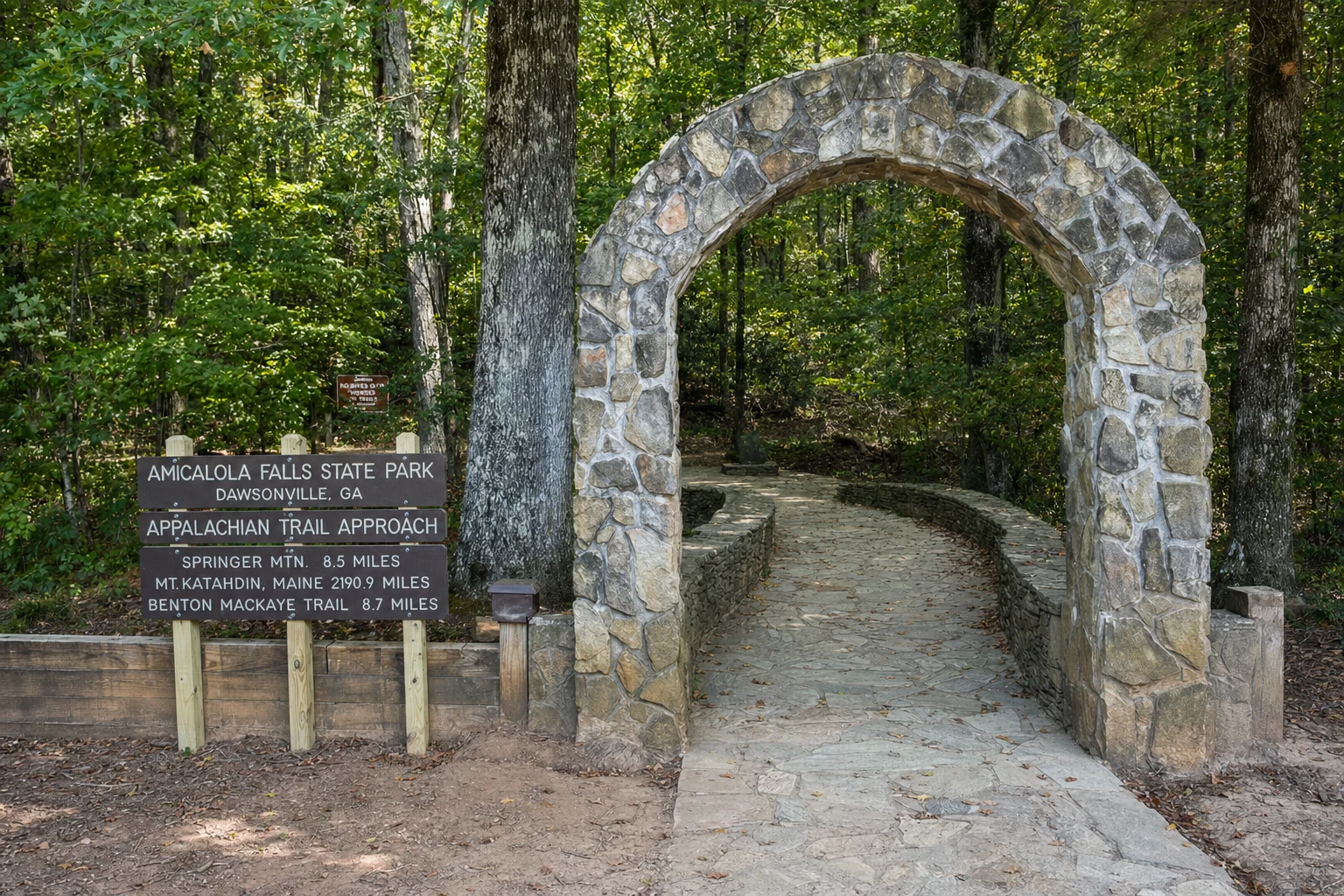
23 miles of trails wind through diverse forest habitats
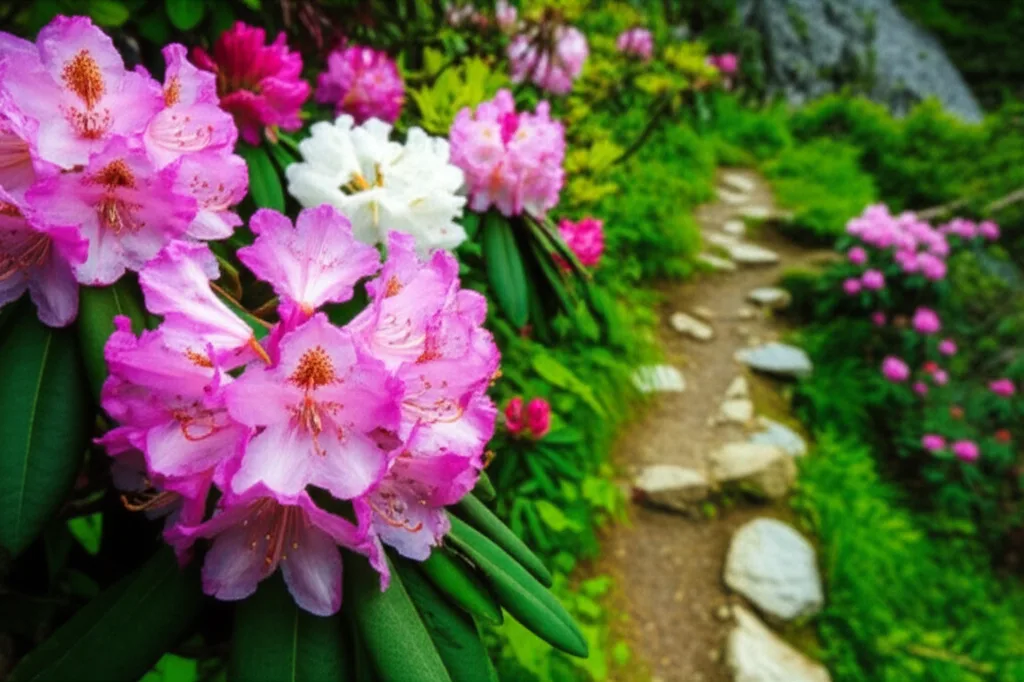
Rhododendron blooms along the creek in late spring
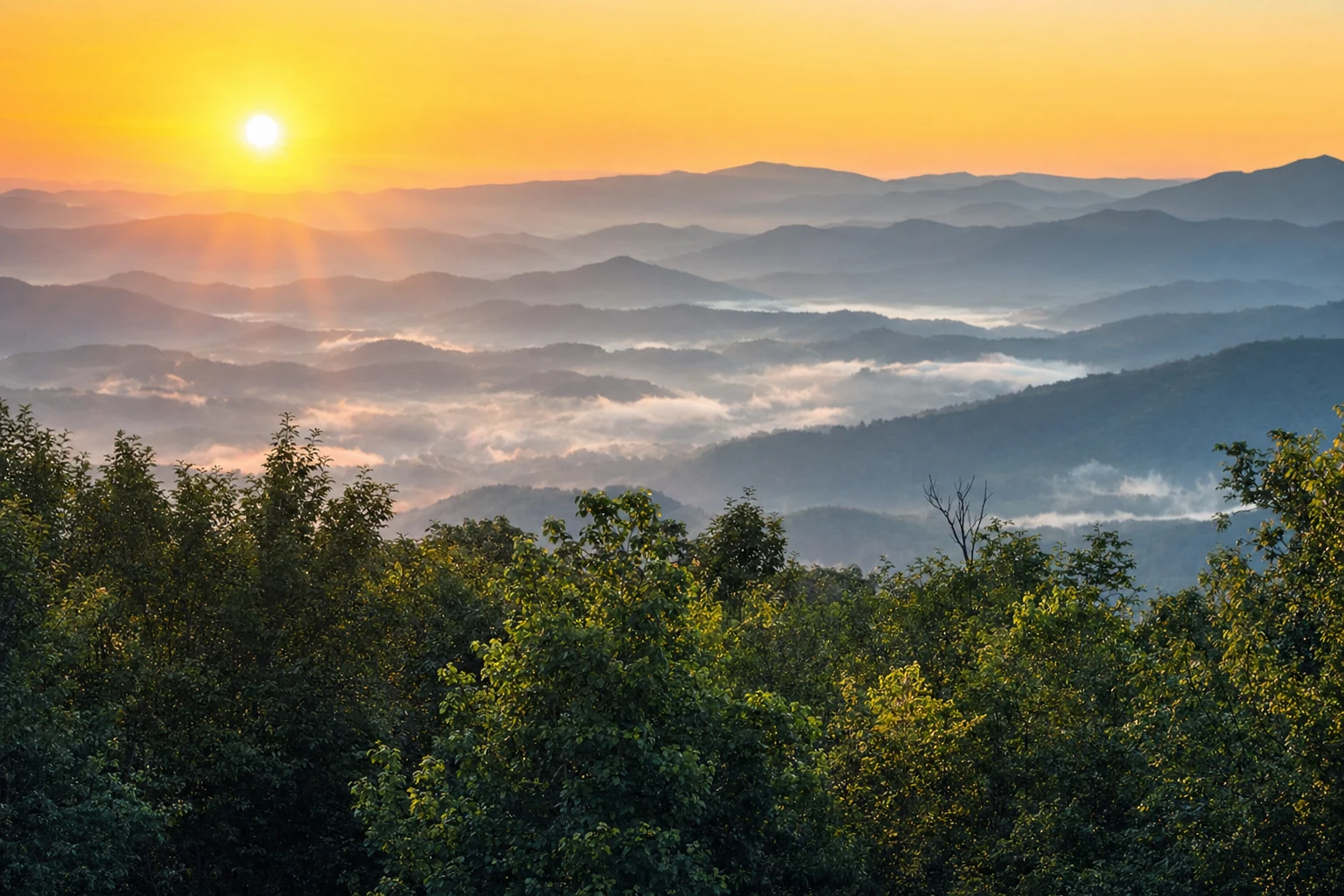
Mountain sunsets from the park's elevated trails
Getting There
A short drive from Helen into deep wilderness
From Helen, take GA-75 south to GA-75 Alternate and head west. The park entrance is on the left approximately 3 miles from the intersection, well-marked with brown state park signs. Total driving time from downtown Helen is about 10 minutes. From Atlanta, take GA-400 north and follow signs toward Helen - total drive time is approximately 1 hour and 45 minutes. The visitor center is located just inside the park entrance and serves as an excellent starting point, with maps, natural history exhibits, and helpful staff.
Explore More Attractions
Continue your Helen adventure