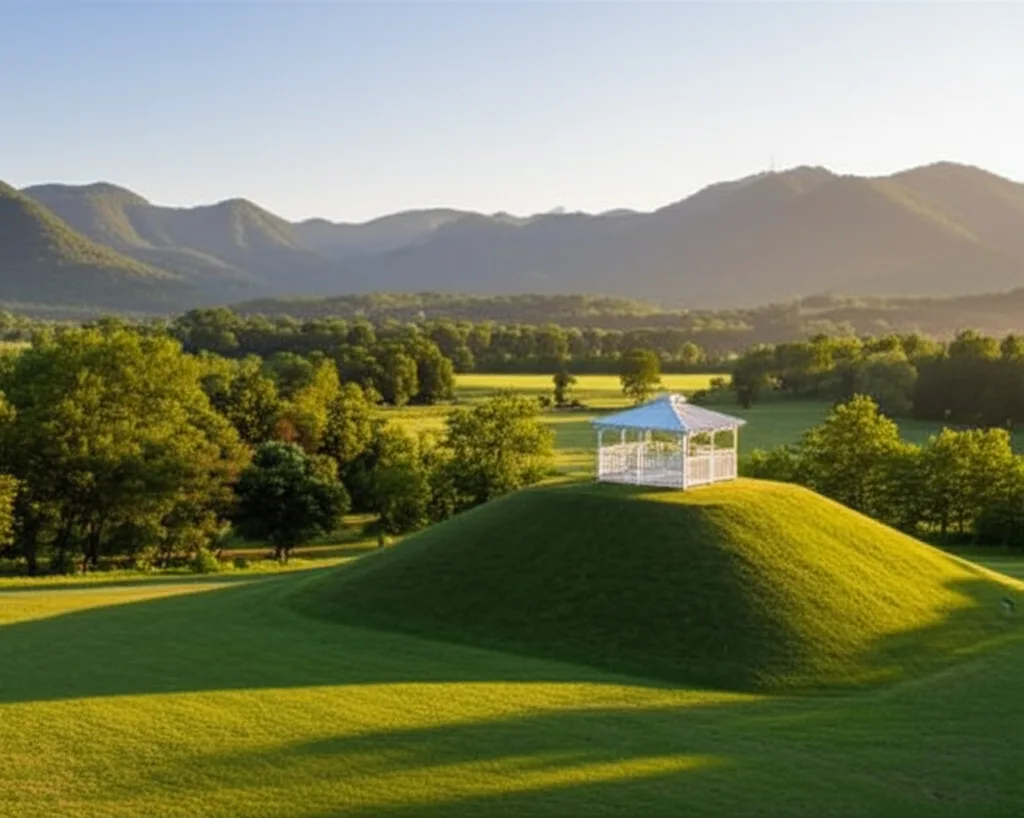
Nacoochee Indian Mound
An ancient Mississippian platform mound crowned with a white gazebo, heart of a timeless Cherokee legend
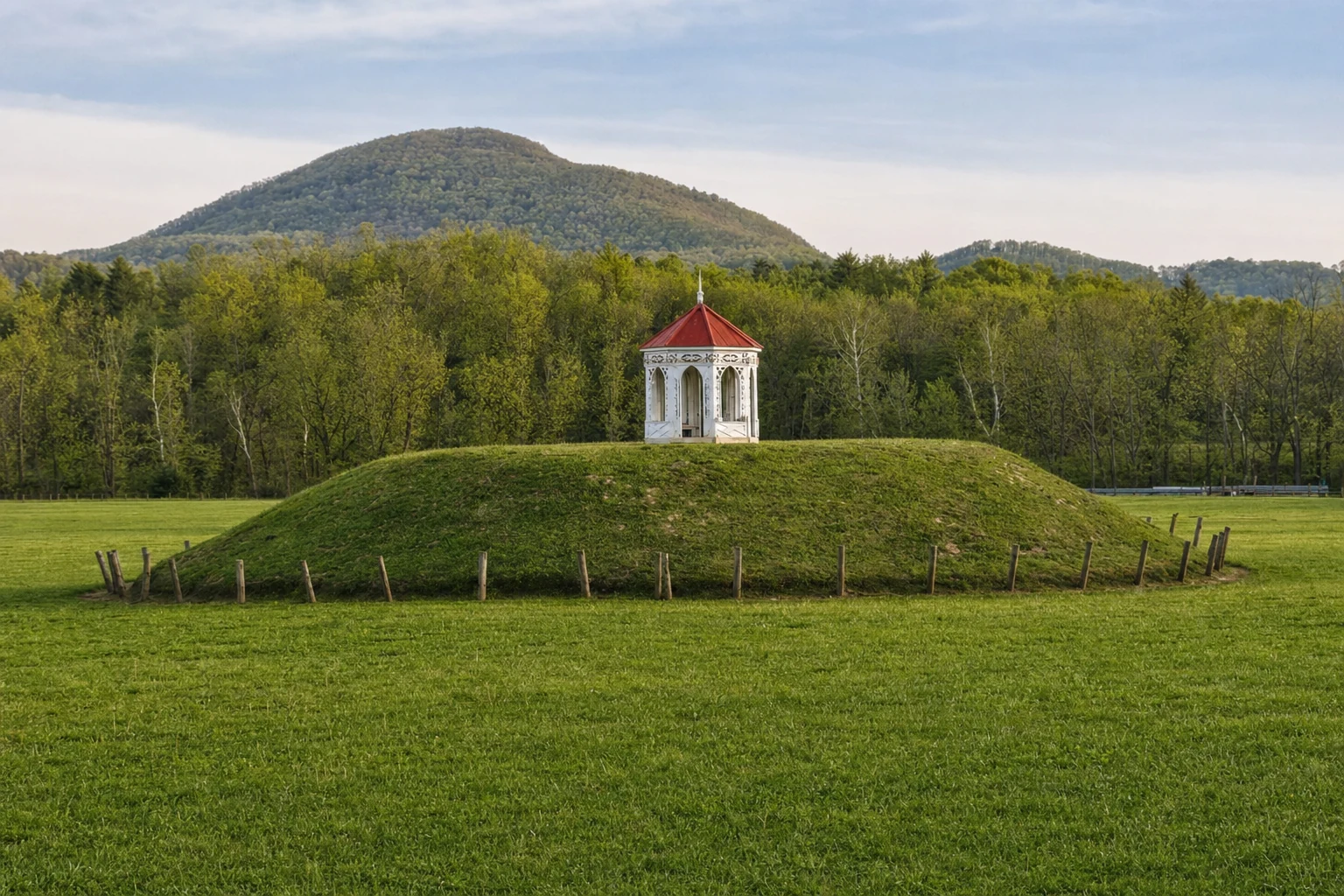
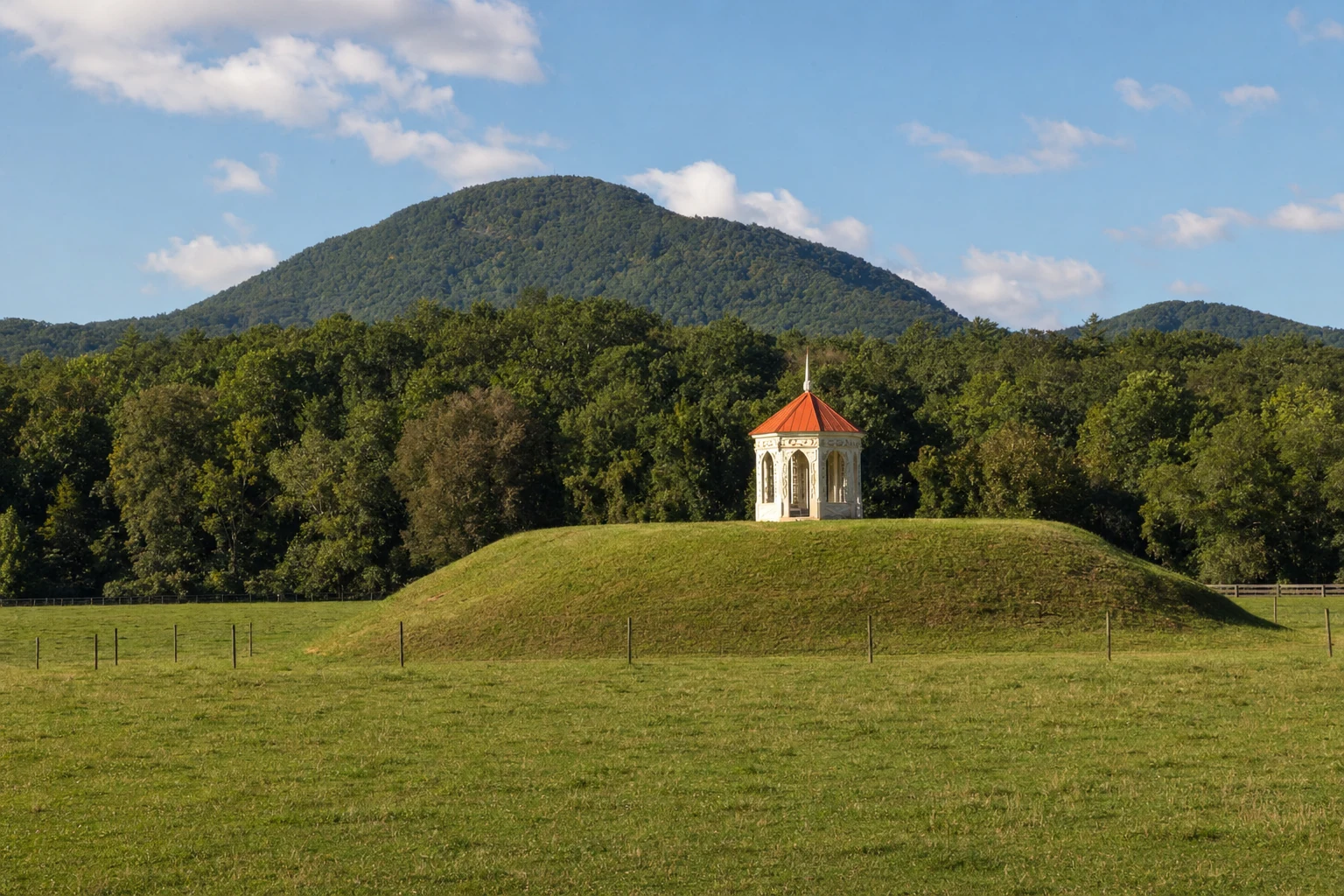
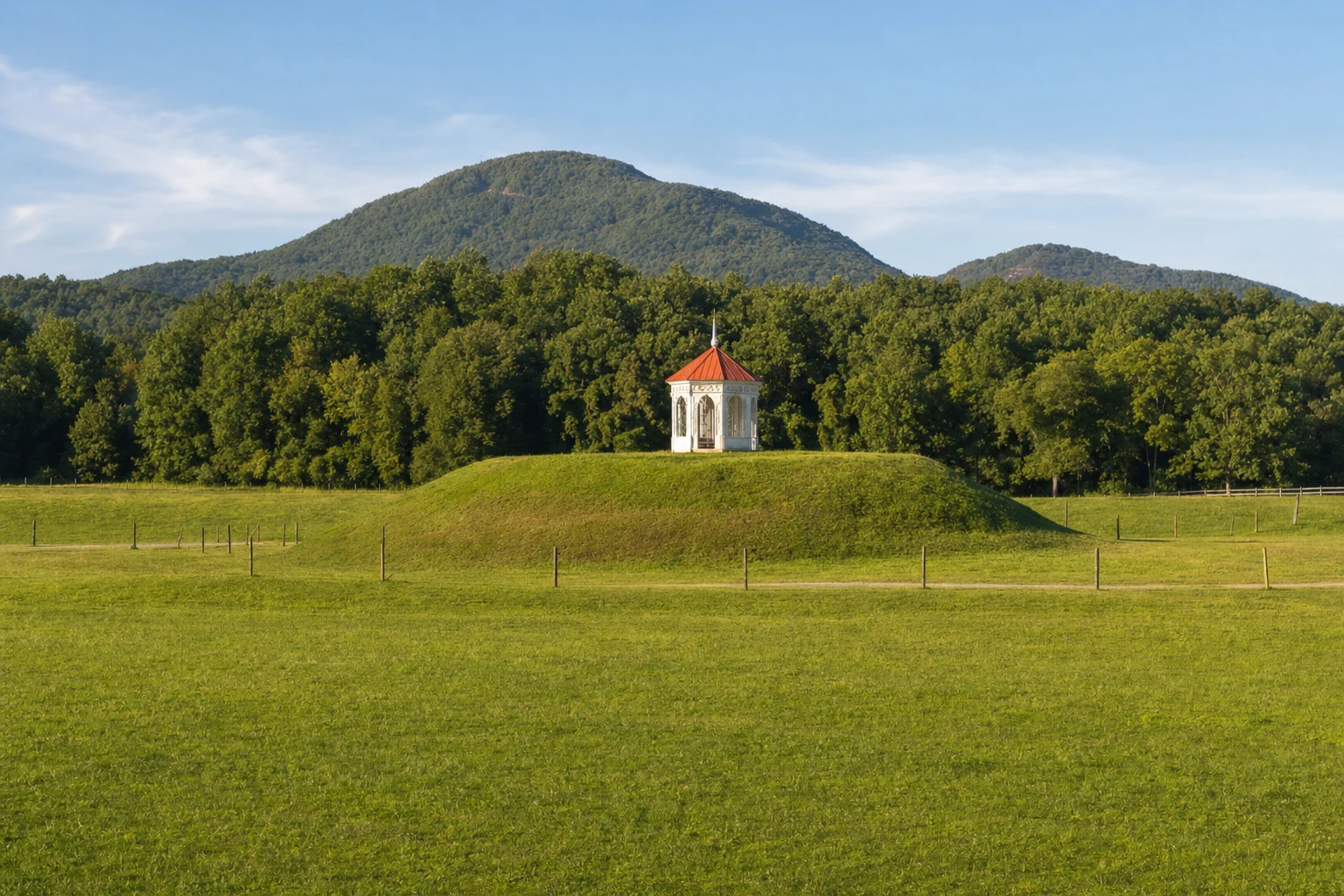
Few landmarks in North Georgia are as instantly recognizable as the Nacoochee Indian Mound. Rising from the floor of the broad Nacoochee Valley at the intersection of GA-75 and GA-17, this ancient earthen mound - topped with a distinctive white gazebo - has become one of the most photographed and most storied landmarks in the entire state. For thousands of motorists who pass this spot each day, the mound is a beautiful curiosity. For those who take the time to understand its history, it is a profound connection to the people who inhabited this valley long before European contact.
The mound dates to the South Appalachian Mississippian culture, roughly 1350 to 1600 AD (the Lamar Period), and was built by the same mound-building tradition that created Etowah Mounds near Cartersville and Ocmulgee Mounds in Macon. It is a platform mound - a flat-topped earthen structure that served as the elevated foundation for a chief's residence or ceremonial building. At the time of its construction, the Nacoochee Valley was a thriving center of Native American life, its fertile bottomlands and abundant game making it one of the most desirable locations in the southern Appalachian Mountains. Historians believe the settlement here may have been Guaxule, a village visited by the Spanish explorer Hernando de Soto during his expedition through the Southeast in 1540.
The 1915 Smithsonian Excavation
What archaeologists found beneath the surface
In 1915, the Smithsonian Institution's Bureau of American Ethnology conducted a major archaeological excavation of the mound. The dig was led by archaeologist George Gustav Heye and represented one of the earliest systematic excavations of a Native American mound site in the Georgia mountains. The team uncovered a wealth of artifacts that confirmed the mound's significance as a center of Mississippian culture.
Among the most striking findings were 75 burials arranged in careful patterns, confirming that the mound served as a platform mound of the Lamar Period - a structure that would have supported a chief's dwelling or ceremonial building. The excavation also uncovered ceremonial pottery, stone tools, shell gorgets (ornamental throat pieces), and copper artifacts. The dig revealed that the mound had been built in stages over time, with successive layers of earth added to increase its height and prominence - a common construction method among Mississippian mound builders throughout the Southeast. Many of the artifacts recovered from the excavation are now housed in the Smithsonian's National Museum of the American Indian in Washington, D.C.
The Legend of Sautee and Nacoochee
A Cherokee love story that named the valley
The mound is widely associated with a romantic legend that gave both the valley and the mound their names. According to the story, Nacoochee was a beautiful Cherokee maiden - the daughter of a powerful chief - and Sautee was a young warrior from an enemy tribe, the Chickasaw. The two fell deeply in love despite the conflict between their peoples. When Nacoochee's father discovered their romance, he was enraged and ordered Sautee thrown from the top of nearby Yonah Mountain.
Heartbroken, Nacoochee leaped from the cliff after her lover, and both perished on the rocks below. Overcome with grief and remorse, the chief ordered the two lovers buried together at the base of the mound, where their spirits could rest in the valley they had loved. It is a moving story, but historians and Cherokee scholars widely regard it as a myth - a romantic embellishment likely created in the 19th century, drawing on the "Romeo and Juliet" archetype rather than any actual Cherokee oral tradition. The nearby community of Sautee Nacoochee takes its name from the story regardless, and the tale is retold in numerous local books, plays, and artworks. You can read more about the true history behind this landmark in our blog post, "Gazebo on the Grave."
The White Gazebo
A turn-of-the-century addition that became an icon
The distinctive white gazebo that sits atop the mound was not, of course, part of the original Mississippian construction. It was installed in the 19th century by Captain James Nichols - the same man who built the elegant 1870 Italianate mansion at Hardman Farm just across the property. The gazebo was likely intended as a decorative garden feature - a popular Victorian-era flourish - but it had the unintended effect of creating one of the most recognizable and frequently photographed landmarks in Georgia.
Today, the gazebo has become so inseparable from the mound's identity that most people cannot imagine one without the other. It serves as a focal point that draws the eye to the mound from the highway, ensuring that thousands of travelers notice this ancient site who might otherwise drive past. The combination of the ancient earthwork, the white gazebo, and the mountain-framed valley beyond creates one of the most picturesque roadside views in the entire Southeastern United States.
Photo Gallery
The mound, the valley, and the surrounding landscape
The iconic white gazebo crowns the ancient mound
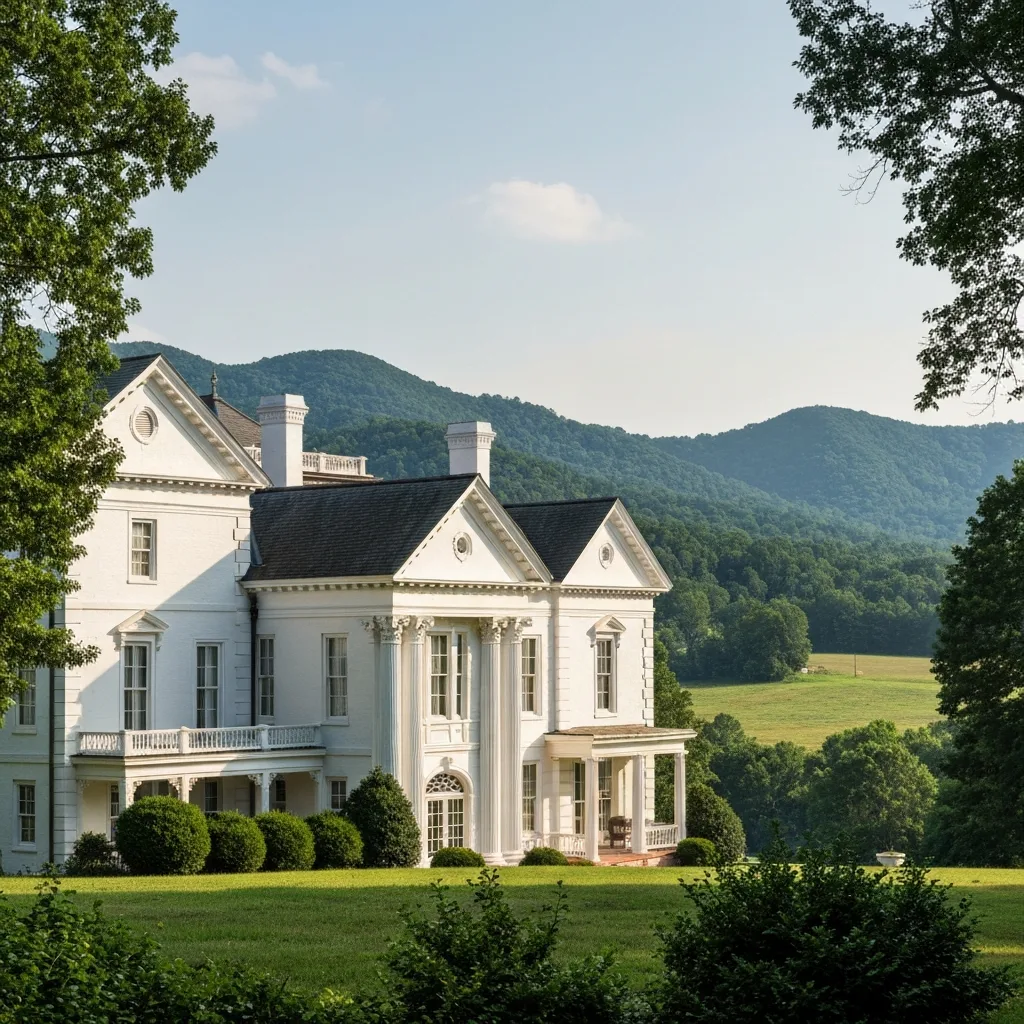
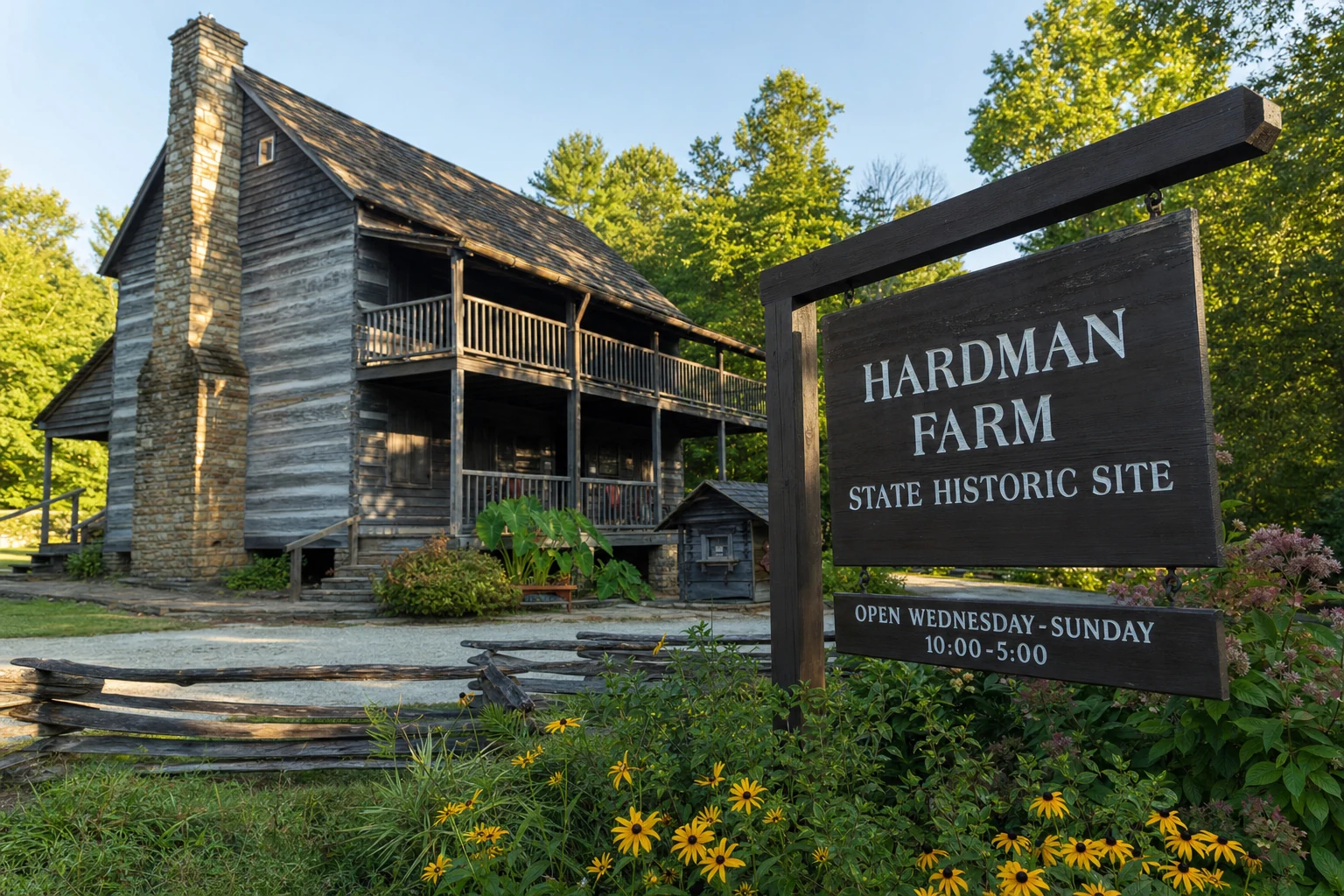
The Hardman Farm mansion stands nearby in the valley
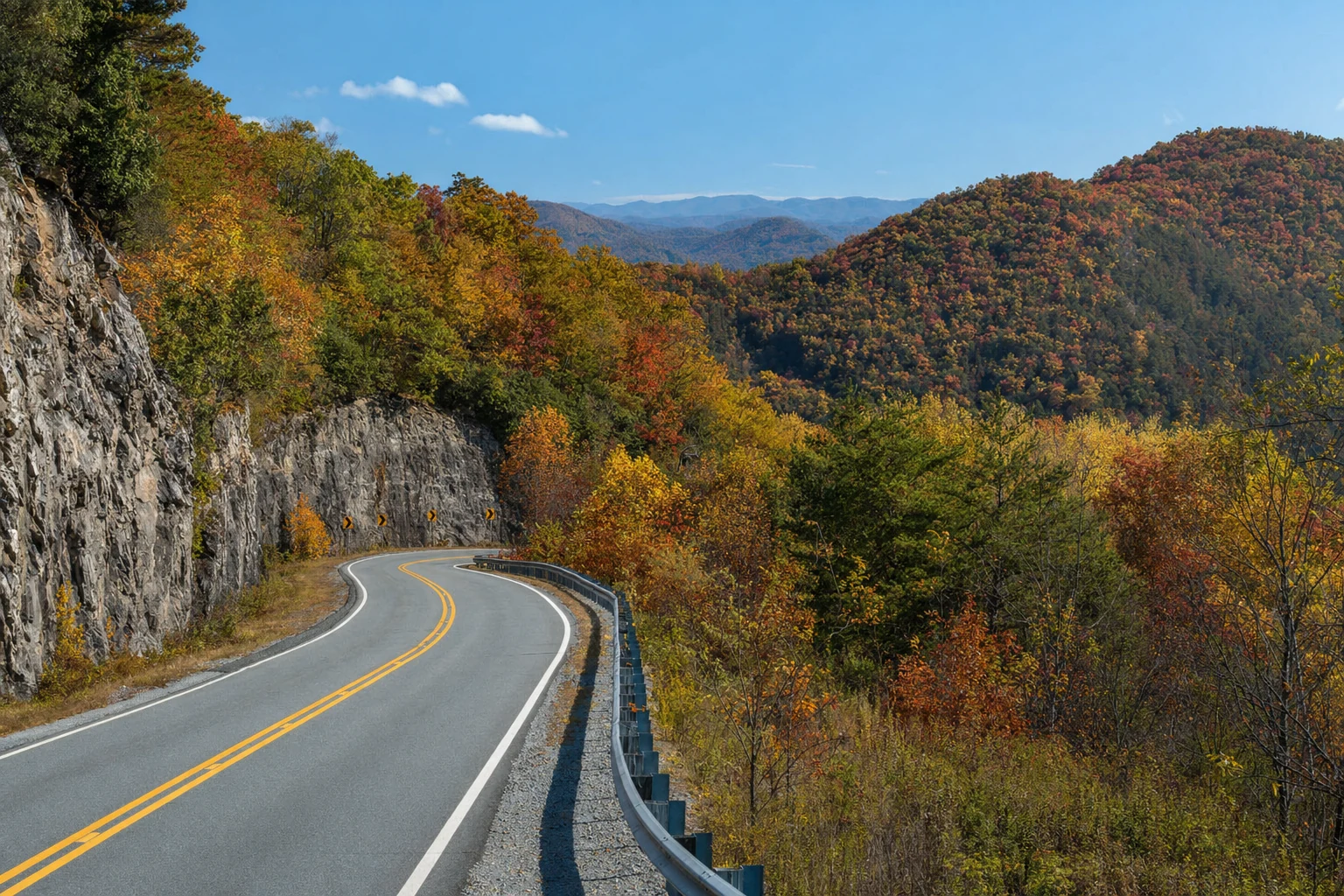
Autumn paints the Nacoochee Valley in brilliant color
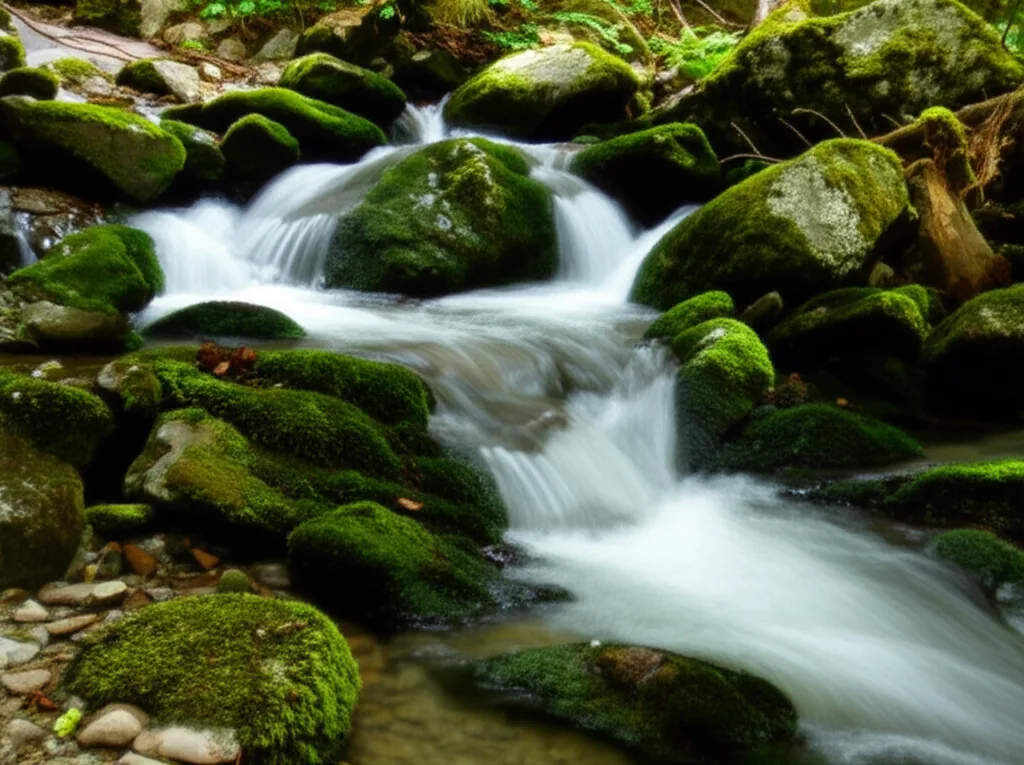
The Chattahoochee flows through the valley floor
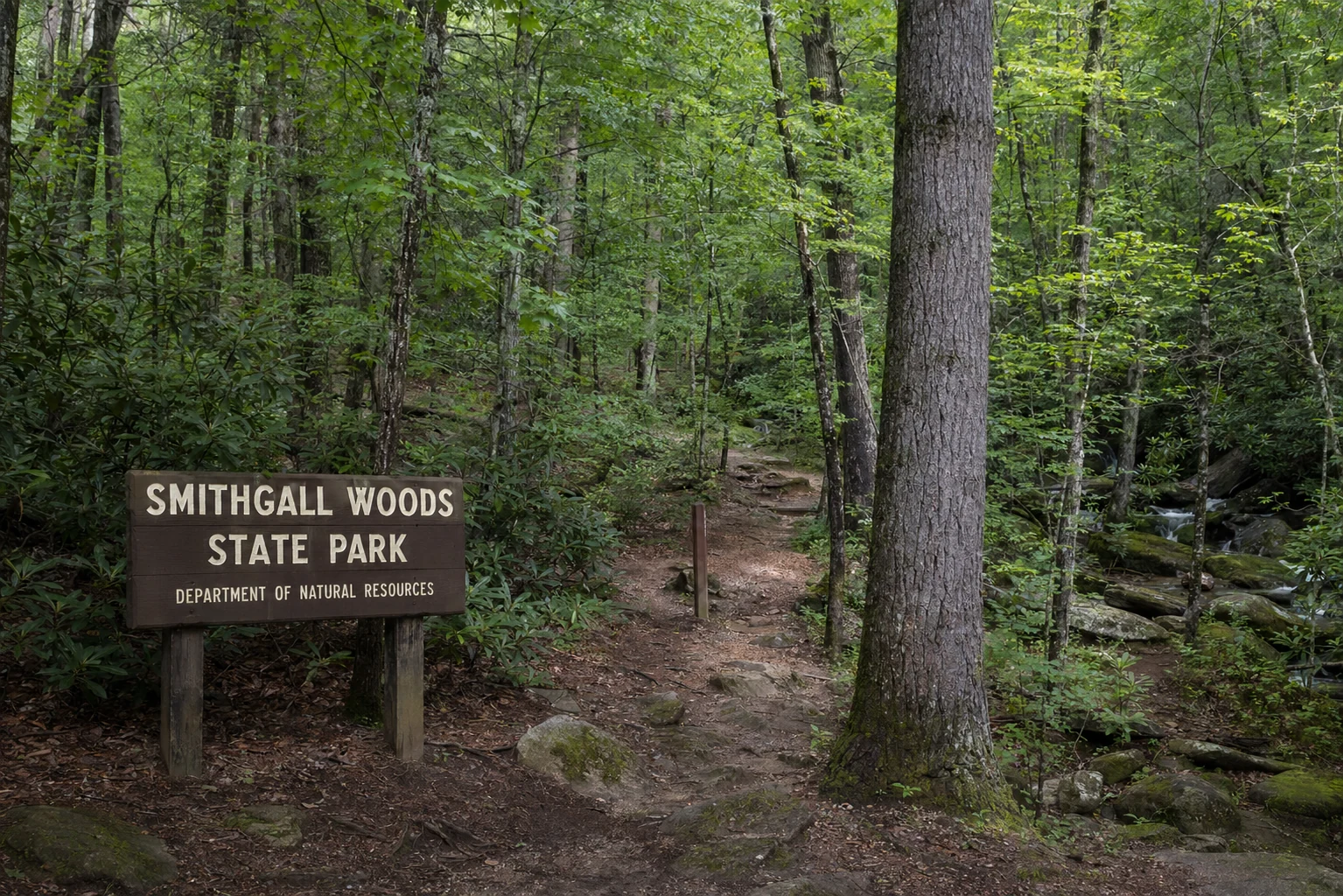
Wildflowers surround the mound in springtime
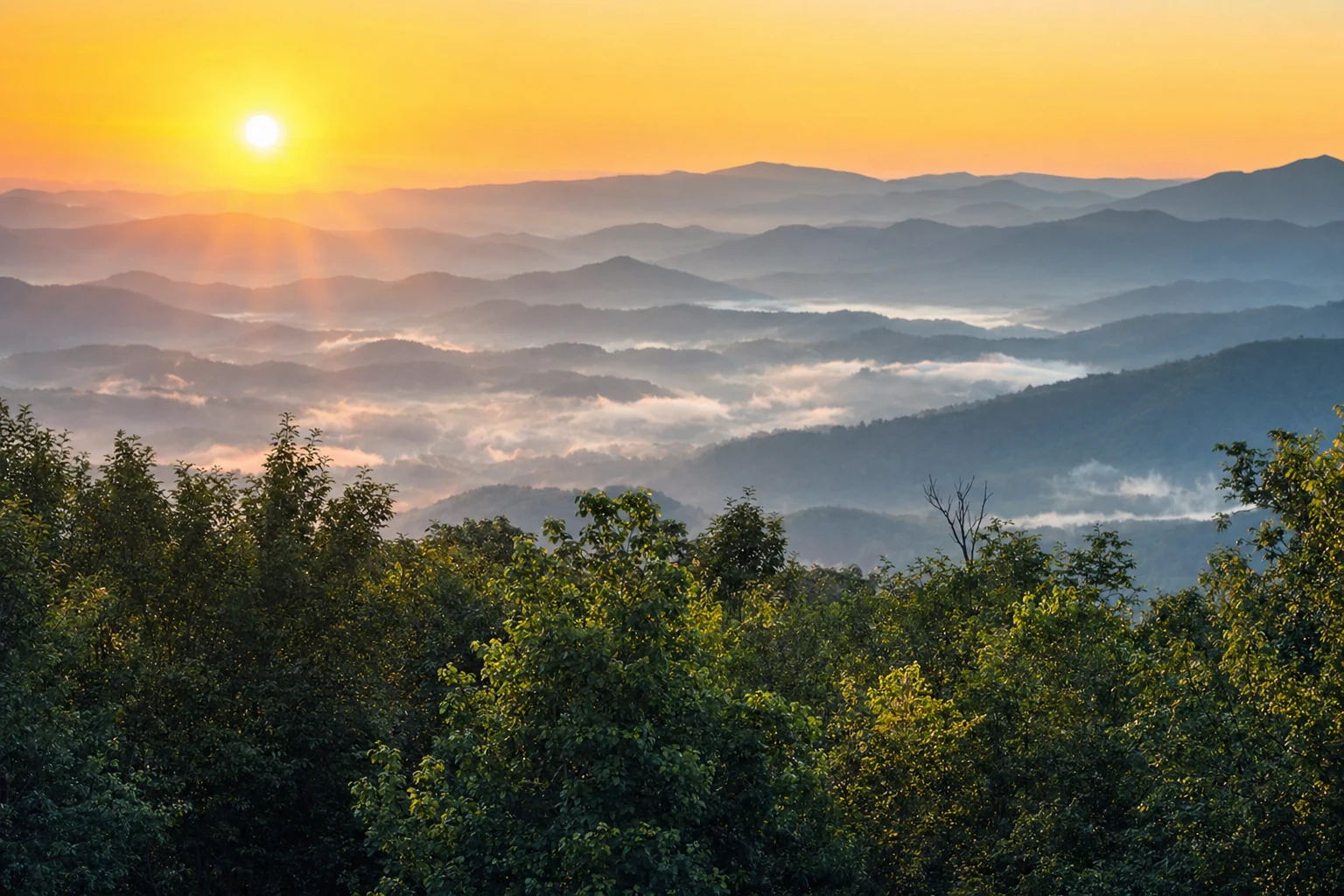
Mountain ridges frame the valley on all sides
Visiting the Mound
How to experience this historic landmark respectfully
The Nacoochee Indian Mound is visible from the highway and can be photographed from the road at any time. However, the mound itself sits on the grounds of Hardman Farm State Historic Site, and visitors should not climb the mound or enter the property without purchasing a Hardman Farm admission ticket. Climbing the mound is prohibited to protect this irreplaceable archaeological site from further erosion and damage.
For the most complete experience, visit Hardman Farm and take the guided tour, which includes detailed context about the mound's history, the Smithsonian excavation, and the legend of Sautee and Nacoochee. The farm's grounds offer closer views of the mound than are possible from the road. A pulloff area across the highway provides a convenient spot for roadside photography, with the mound and gazebo framed by the valley and mountains beyond.
Explore More Attractions
Continue your Helen adventure