
The Foxfire Museum & Heritage Center
A 106-acre living museum preserving Appalachian folk traditions, blacksmithing, and mountain heritage
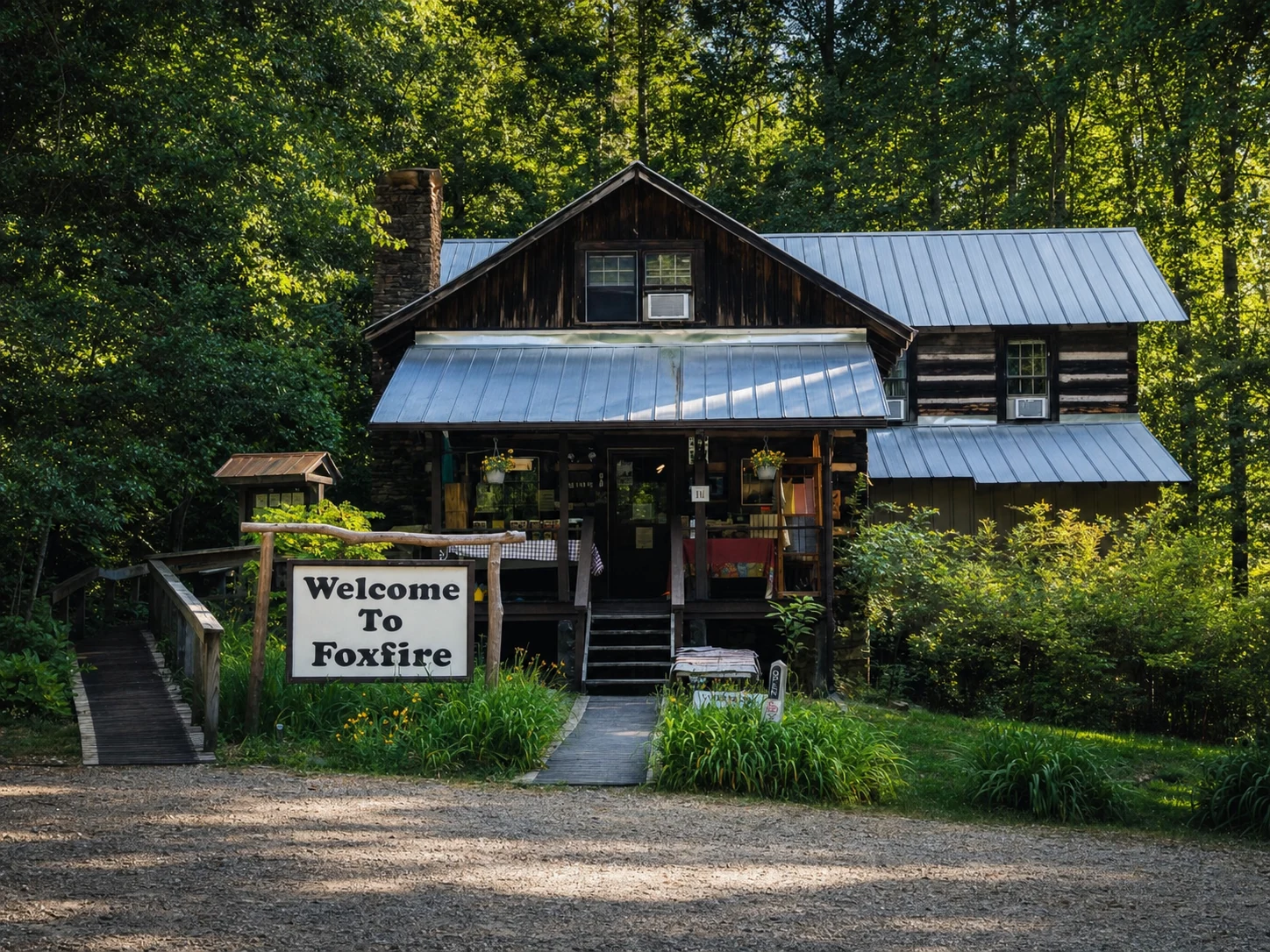
The Foxfire Museum is not a static collection of artifacts. It is a 106-acre "living museum" built around experiential learning and the daily life of Southern Appalachian culture from 1820 to 1940. It is part of the wider Blue Ridge Heritage Trail network that connects cultural sites across the southern Appalachians.
The site grew out of the Foxfire magazine and book series, a student-led oral history project started in 1966 that documented dying mountain traditions, from log cabin building to hog dressing.
The grounds hold over 20 historic structures, including the 1820s Savannah House and the Zuraw Wagon, the only documented wagon remaining from the Trail of Tears.
The Short Version
The Foxfire Museum is a 106-acre "living museum," not a static collection of artifacts. It is built around experiential learning and the daily life of Southern Appalachian culture from 1820 to 1940.
It grew out of the Foxfire magazine and book series, a student-led oral history project started in 1966 that documented dying mountain traditions, from log cabin building to hog dressing.
The grounds hold over 20 historic structures, including the 1820s Savannah House and the Zuraw Wagon, the only documented wagon remaining from the Trail of Tears.
The "Foxfire Approach" to teaching, which emphasizes learner choice and community connection, is still central to the place and has shaped educators around the world.
In Mountain City, Georgia, the museum offers self-guided tours, heritage skills workshops, and hiking trails that connect to Black Rock Mountain State Park.
The Spark on the Mountain
On the slopes of Black Rock Mountain in Rabun County, Georgia, the Foxfire Museum and Heritage Center keeps alive the skills, stories, and daily life of the Southern Appalachian people. This is not a museum that came from a wealthy endowment or a state mandate. Foxfire started in a high school English classroom in 1966, and it grew into something rare: a place where progressive education, oral history, and physical preservation all come together.
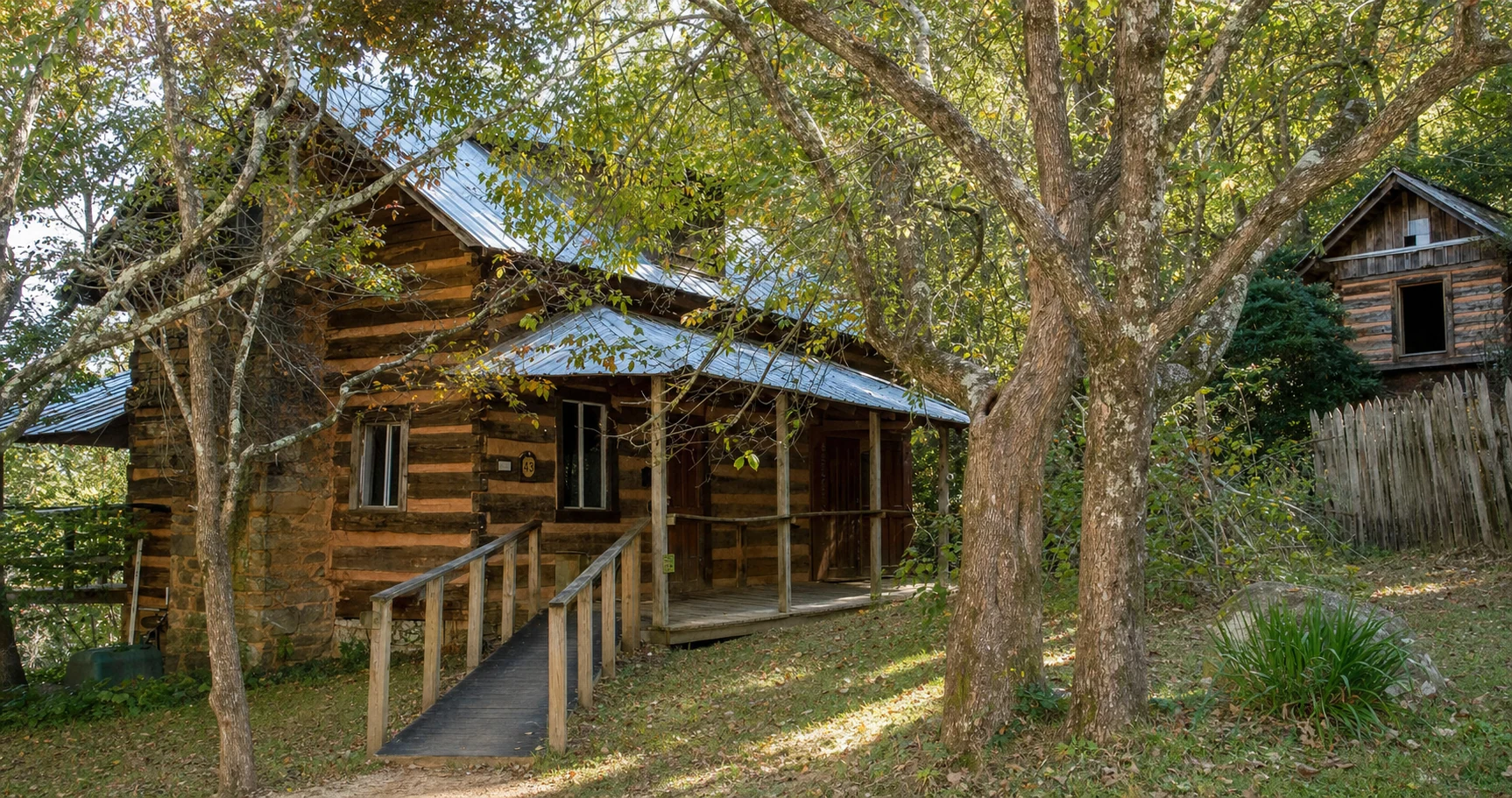
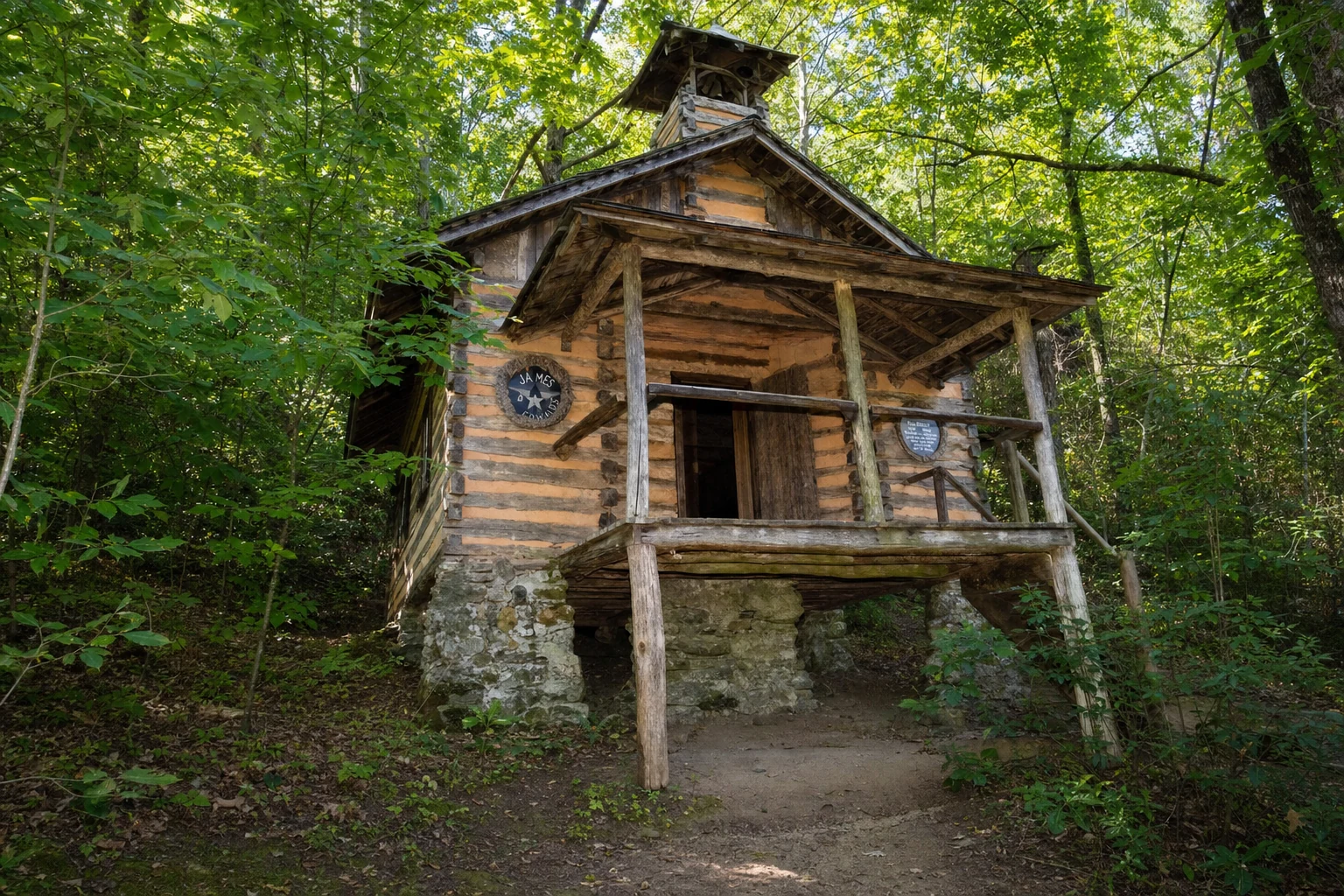
The site, covering approximately 106 acres, functions as an outdoor village comprised of over 20 authentic and reconstructed log cabins, outbuildings, and farm structures. These buildings house thousands of artifacts, tools, and crafts that illustrate the daily lives of mountaineers between 1820 and 1940. However, Foxfire is more than a repository of wood and stone; it is the headquarters of a literary and educational phenomenon that sparked a worldwide movement in "cultural journalism".
Whether you are interested in history, education, or just want to see how mountain people lived before electricity and paved roads, Foxfire gives you a look at a "nearly extinct way of life" where self-sufficiency was everything and community bonds kept people going. What follows covers the museum's history, layout, collections, and what makes it worth the drive.
How It All Began
The classroom experiment of 1966
The Foxfire Museum grew directly out of the Foxfire magazine. In 1966, Eliot Wigginton, a young English teacher at the Rabun Gap-Nacoochee School, faced a classroom of disengaged students. In an effort to spark their interest, he proposed a project: a student-produced magazine. The students chose to focus on their own community, interviewing elders, relatives, and neighbors about the traditions of the mountains - stories that were rapidly fading as modernization encroached on Rabun County.
The students named the publication "Foxfire," after a bioluminescent fungus (Armillaria mellea) found on decaying wood in the local hills, known for its eerie blue-green glow. The metaphor was apt: a small spark of light in the darkness, illuminating the overlooked corners of their culture.
The Foxfire Book Phenomenon (1972)
The student-conducted interviews covered topics ranging from "Snake Lore" and "Faith Healing" to detailed instructions on "Building a Log Cabin" and "Moonshining as a Fine Art". The content struck a nerve with the American public, tapping into a burgeoning "back-to-the-land" movement and a desire for authentic Americana.
In 1972, Doubleday published The Foxfire Book, an anthology of articles from the magazine. It became a surprise bestseller, eventually expanding into a series of 12 volumes that have sold over 9 million copies worldwide. These books did not merely record history; they provided instructional manuals for survival and craft, preserving the "philosophy and wisdom of the mountains".
Establishing the Land (1974)
As the students collected artifacts - wagons, tools, and handicrafts donated by the community members they interviewed - the classroom at Rabun Gap-Nacoochee School began to overflow. In 1974, using royalties from the book sales, the students and the Foxfire Fund purchased the current tract of land on Black Rock Mountain in Mountain City.
This purchase marked the transition from a literary project to a physical preservation effort. Students, alongside community craftsmen like Miller Buchanan, began the arduous process of dismantling endangered historic log cabins from the surrounding region and reassembling them on the museum grounds. This "living museum" was built largely by the hands of the students whose work it celebrates. The Appalachian Trail Conservancy recognizes the Foxfire project as a key resource for understanding the cultural heritage of trail communities.
Planning Your Visit
Here is what you need to know before you go. Hours and rates shift now and then, so it is worth confirming on the museum's website first.
Contact and Location
Official Name: The Foxfire Museum & Heritage Center (often referred to as the Foxfire Village Museum).
Physical Address: 98 Foxfire Lane, Mountain City, GA 30562.
Mailing Address: P.O. Box 541, Mountain City, GA 30562.
Telephone: (706) 746-5828.
Website: www.foxfire.org.
Operating Hours
The museum operates year-round, though hours fluctuate by season. Visitors are strongly advised to check the official website prior to travel.
General Hours: Monday through Saturday, 9:00 AM – 4:00 PM; Sunday, 12:00 PM – 4:00 PM.
Last Admission: Typically at 3:00 PM to allow sufficient time for the walking tour.
Seasonal Variations: Winter hours may be reduced (e.g., 10:00 AM – 3:00 PM), and the facility may close during inclement weather, particularly due to its mountain location.
Admission Rates
Revenue from admission supports the preservation of the archives and structures.
Adults (19+): $15.00
Seniors (62+): $12.00
Students (11–18): $8.00
Youth (7–10): $5.00
Children (6 and under): Free.
Accessibility and Terrain
The museum is an outdoor facility with a walking trail approximately 0.25 to 0.5 miles long winding through the woods. The terrain is gravel and dirt, which can be challenging for standard wheelchairs or walkers. However, the museum staff can arrange for visitors with mobility issues to drive to specific points along the trail to access the cabins.
Related Imagery from Around Helen