Honey Farms Near Helen
Real Sourwood honey, family apiaries, and where to taste it, all within a short drive of Helen.
The mountains around Helen, Georgia are honey country. This corner of the Blue Ridge is known worldwide for Sourwood honey, a single-flower variety that apiarists and food writers regularly call among the best on earth. The reason comes down to the land itself: the elevation, the acidic soil, and the microclimates of Northeast Georgia.
True Sourwood honey (Oxydendrum arboreum) comes only from the Southern Appalachians, and the sweet spot for it runs between 1,600 and 2,400 feet in elevation. The bloom lasts from mid-June to early August.
What to Know Before You Go
A handful of producers anchor the honey scene near Helen. Blue Ridge Honey Company in Lakemont is a large packer with observation windows into the bottling rooms. Honey on the Hill in Helen leans into therapeutic beekeeping and infused superfoods. Allison's Honey & Vineyard in Cleveland pairs honey with mead, or honey wine, made on the same property.
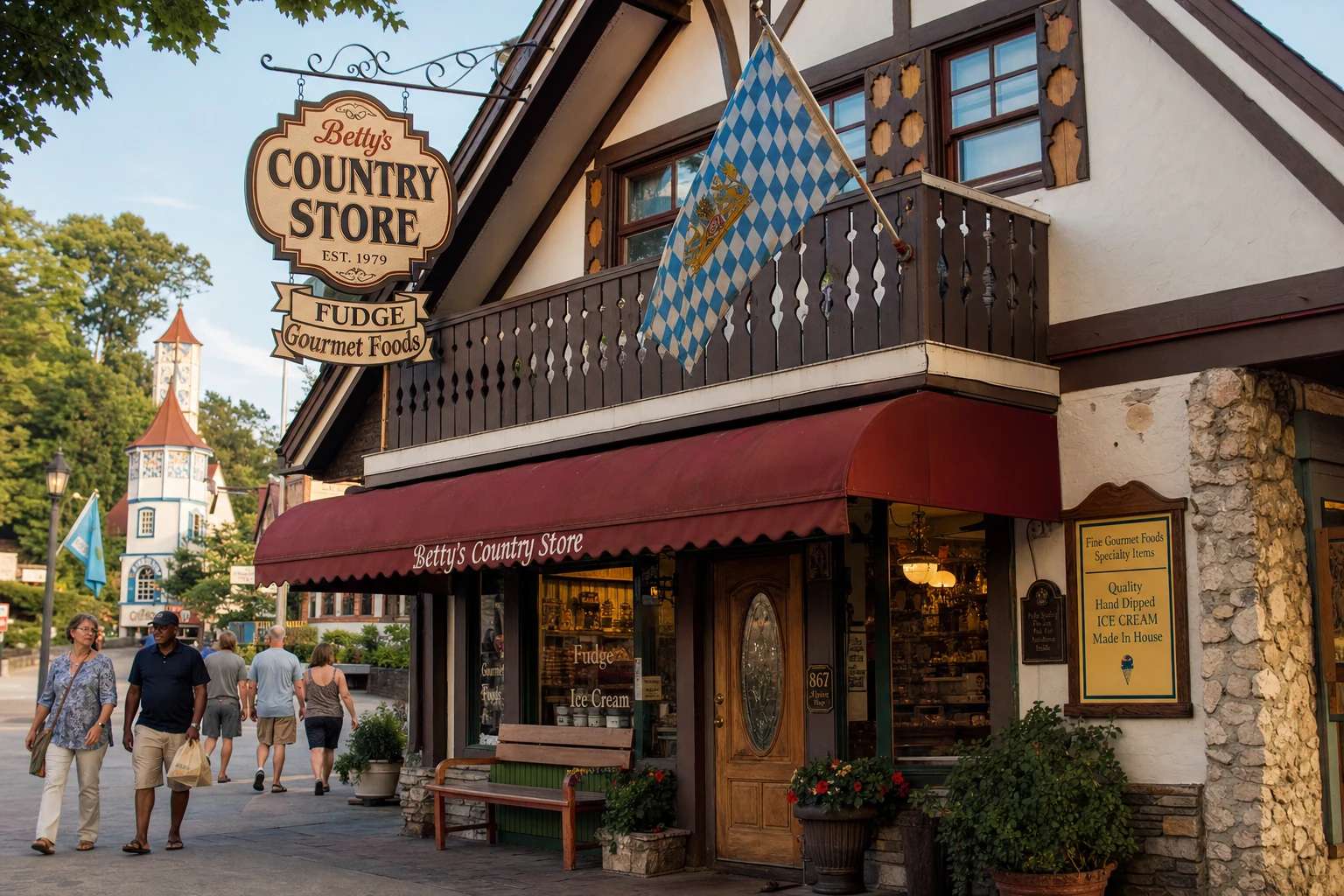
You can taste and learn along the way. Betty's Country Store keeps a live indoor beehive, and buying straight from the producer is the best way to know your honey is real in a market that gets adulterated often. Beyond raw honey, the region turns out "SuperBee" turmeric and cinnamon infusions, beeswax candles, propolis soaps, and handcrafted meads.
The Mountains and the Sourwood Tree
The reputation of North Georgia honey is built almost entirely upon the Sourwood tree. To understand the agricultural output of the Helen region, one must first understand the unique botanical and climatic conditions that allow this specific tree to flourish.
The Sourwood, or Lily-of-the-Valley Tree
The Sourwood tree (Oxydendrum arboreum), also known as the Sorrel tree or Lily-of-the-Valley tree, is endemic to the United States, growing primarily in the Appalachian Mountains from Pennsylvania to Northern Georgia. It is the sole species in the genus Oxydendrum and belongs to the heath family (Ericaceae), making it a relative of rhododendrons and blueberries, both of which also thrive in the acidic soils of the Blue Ridge.
The tree is prized by horticulturists for its aesthetic value - offering white, bell-shaped flowers in summer and brilliant crimson foliage in autumn - but it is prized by apiculturists for its nectar. The bloom season in North Georgia typically spans from mid-June to early August. This late bloom period is critical; it occurs after the spring wildflower flow (tulip poplar, blackberry, black locust), allowing beekeepers to isolate the Sourwood nectar flow to create a monofloral honey.
The "Sweet Spot" Elevation and Climate
Producing pure Sourwood honey is an agricultural challenge that relies heavily on specific elevation bands. Bob Binnie, a renowned commercial beekeeper and owner of Blue Ridge Honey Company in nearby Lakemont, identifies the "sweet spot" for Sourwood production as lying between 1,600 and 2,400 feet in elevation.
Below 1,500 feet: The Sourwood quality often deteriorates, becoming darker and contaminated with other nectar sources like sumac or clover.
Above 2,500 feet: The nectar flow can be unpredictable due to cooler temperatures and higher rainfall.
The ecology of the Helen area (White County and Rabun County) provides these exact conditions. However, the crop is notoriously fickle. Beekeepers note that Sourwood trees require a specific weather pattern: a wet spring to develop the blooms, followed by a relatively dry summer during the harvest. Excessive rain during the bloom can wash away the nectar or prevent bees from foraging, leading to years where no crop is produced at all.
What Makes Sourwood Honey Special
Sourwood honey is frequently described by food critics and apiarists as having no equal. It has won the title of "Best Honey in the World" at Apimondia (the World Federation of Beekeeping Associations) multiple times, a reflection of its global standing.
Pure Sourwood honey is light to extra-light amber, sometimes with a faint gray or green tint. It granulates slowly, so it stays liquid for years. The taste is complex, buttery and caramel-like, with notes of anise and spice and a slightly astringent gingerbread finish.
Because the bloom lasts only three or four weeks and depends heavily on the weather, supply rarely keeps up with demand, which makes it one of the priciest honeys in the region.
Honey Farms and Apiaries Near Helen
The region surrounding Helen is home to a mix of large-scale commercial packers and boutique family apiaries. Buying direct from these producers is the primary way consumers ensure they are receiving genuine local honey rather than imported blends.
Blue Ridge Honey Company (Lakemont, GA)
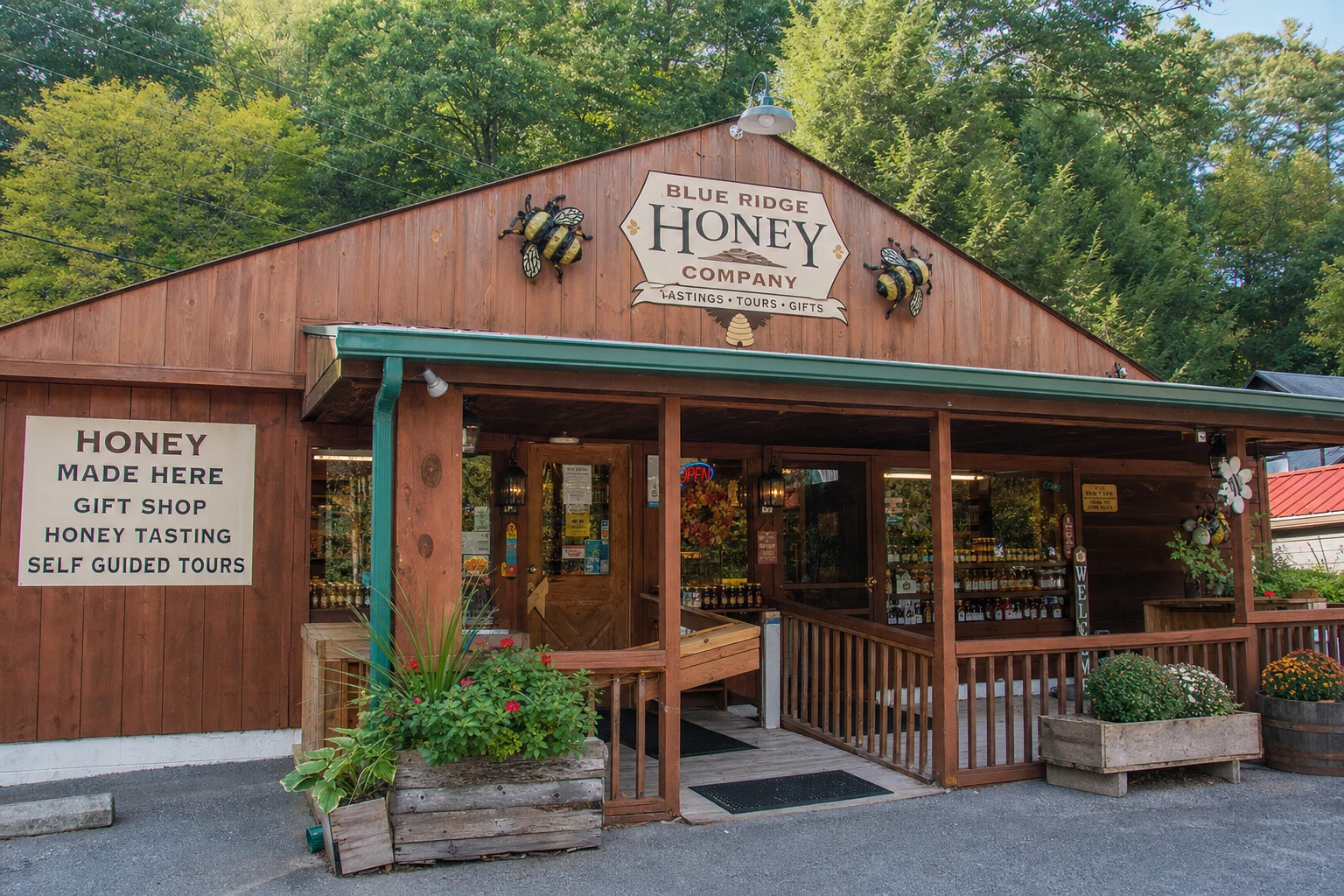
Located approximately 20–30 minutes from Helen in Lakemont (Rabun County), Blue Ridge Honey Company is arguably the most significant apicultural hub in the Northeast Georgia mountains. Owned by Bob and Suzette Binnie, the operation serves as both a major production facility and a retail destination.
Bob Binnie is a veteran commercial beekeeper with over 40 years behind him and a past president of the Georgia State Beekeepers Association. This is a producer-packer operation, meaning they pack their own honey along with honey bought from other trusted beekeepers to meet demand. In a good year they pack upwards of 1.5 million pounds.
The retail store is built for visitors. Large plate-glass windows let you look straight into the processing and bottling rooms, which is a rare chance to see the working side of a big honey operation. They carry a wide range of honeys, including local Mountain Wildflower and Sourwood plus regional specialties like Gallberry from South Georgia, Tupelo, and Orange Blossom.
Binnie also runs a popular beekeeping YouTube channel and teaches classes for local beekeepers, with a lot of focus on bee health and varroa mite management.
Honey on the Hill (Helen, GA)
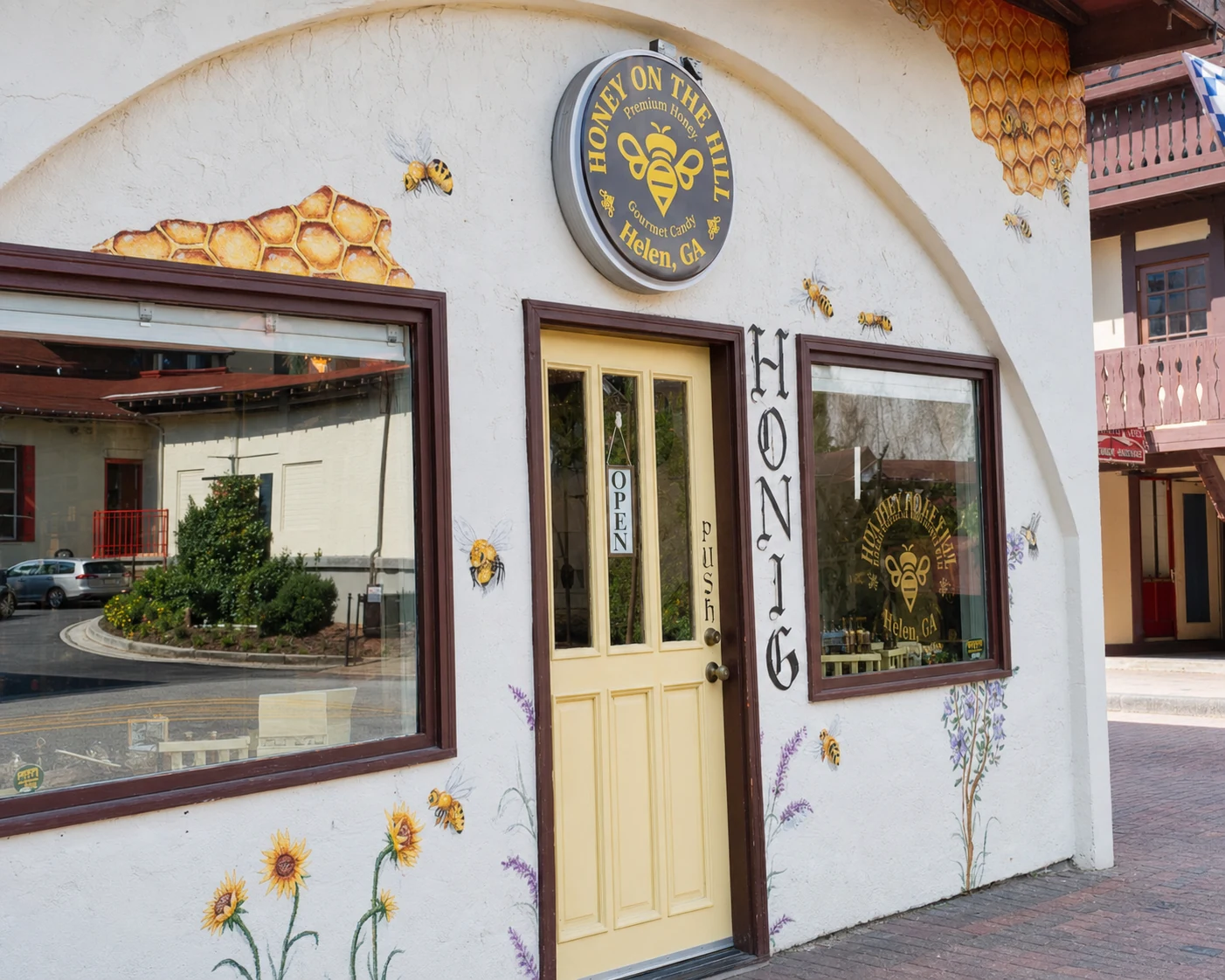
Right in Helen, Honey on the Hill is the boutique, health-focused end of the trade. It was founded by Dale Fisher, a combat veteran, and the shop leans into the therapeutic side of beekeeping. Fisher turned to bees to cope with PTSD after tours in Afghanistan, and he credits them with saving his life. The company is family-run and openly supports veterans.
They sell raw honey, but the signature product is "SuperBee," a whipped honey infused with turmeric, cinnamon, and bee pollen and sold as an anti-inflammatory superfood. They also make gourmet honey pops in over 28 flavors and honeycomb candy. The retail location sits on North Main Street in Helen, done up in bee-themed decor.
Allison’s Honey & Vineyard (Cleveland, GA)
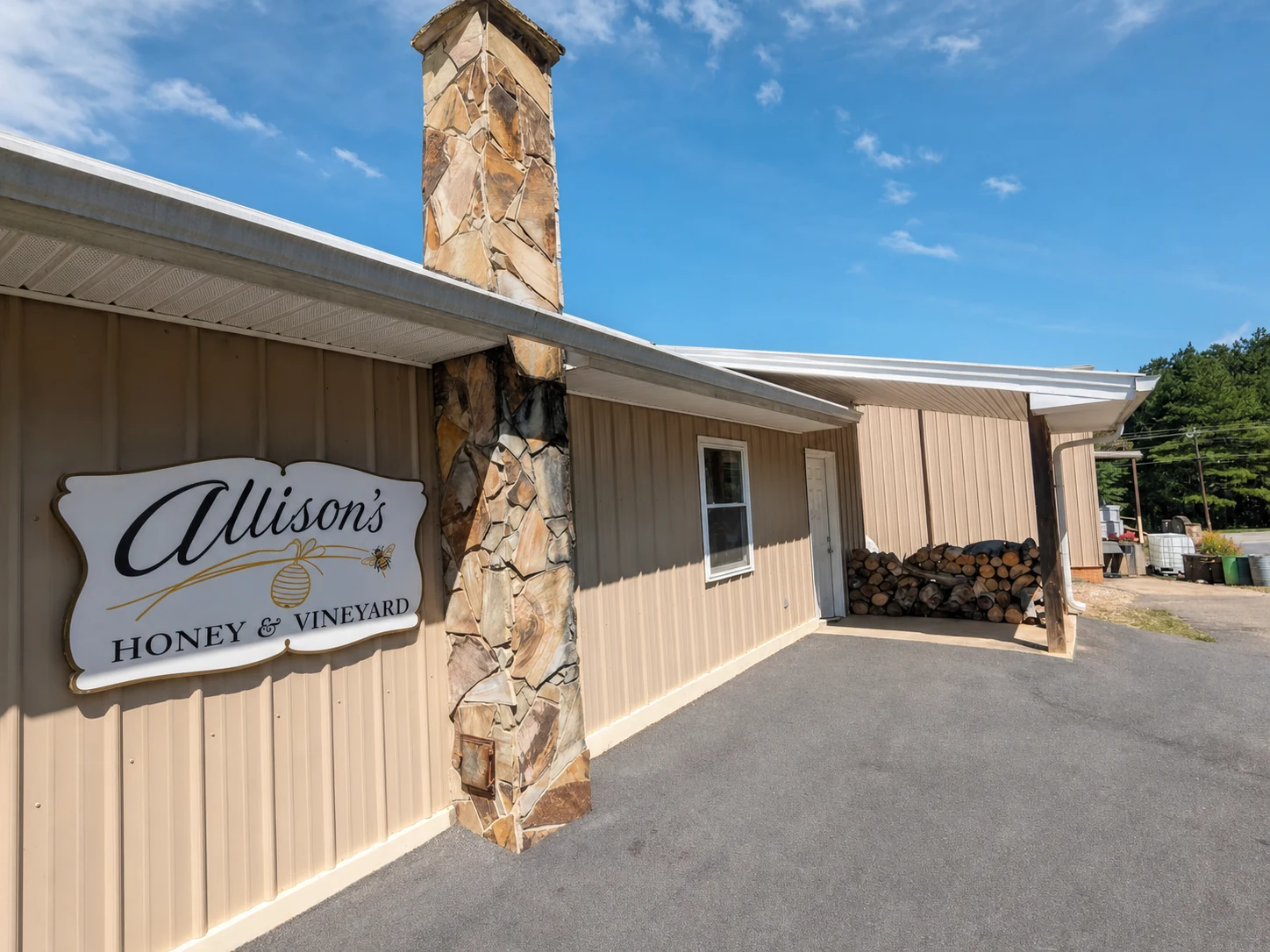
Located just south of Helen in Cleveland (White County), Allison’s Honey is a staple of the local agricultural community, operating for over 40 years.
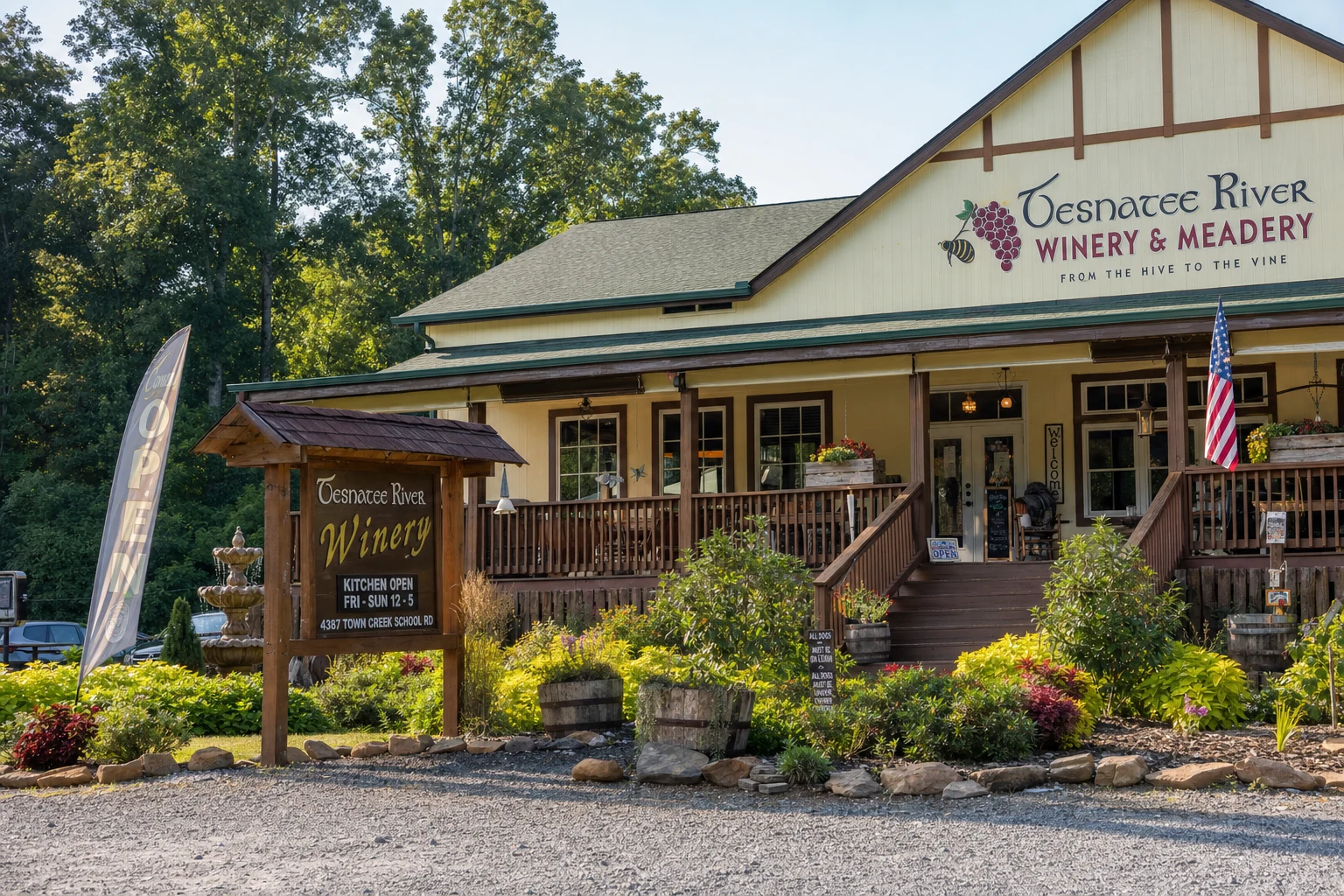
Lloyd Allison started it as a honey farm, and it has since grown to include a vineyard and the Tesnatee River Winery and Meadery. That mix makes it a rare spot where you can taste both raw honey and honey wine made on the same property. The farm uses natural growing methods and produces honey, beeswax candles, and lip balms alongside muscadine grapes and berries.
The farm store is open year-round with varieties like Wildflower and Sourwood honey, and the winery pours meads such as "Appalachian Blue" and "Southern Supreme."
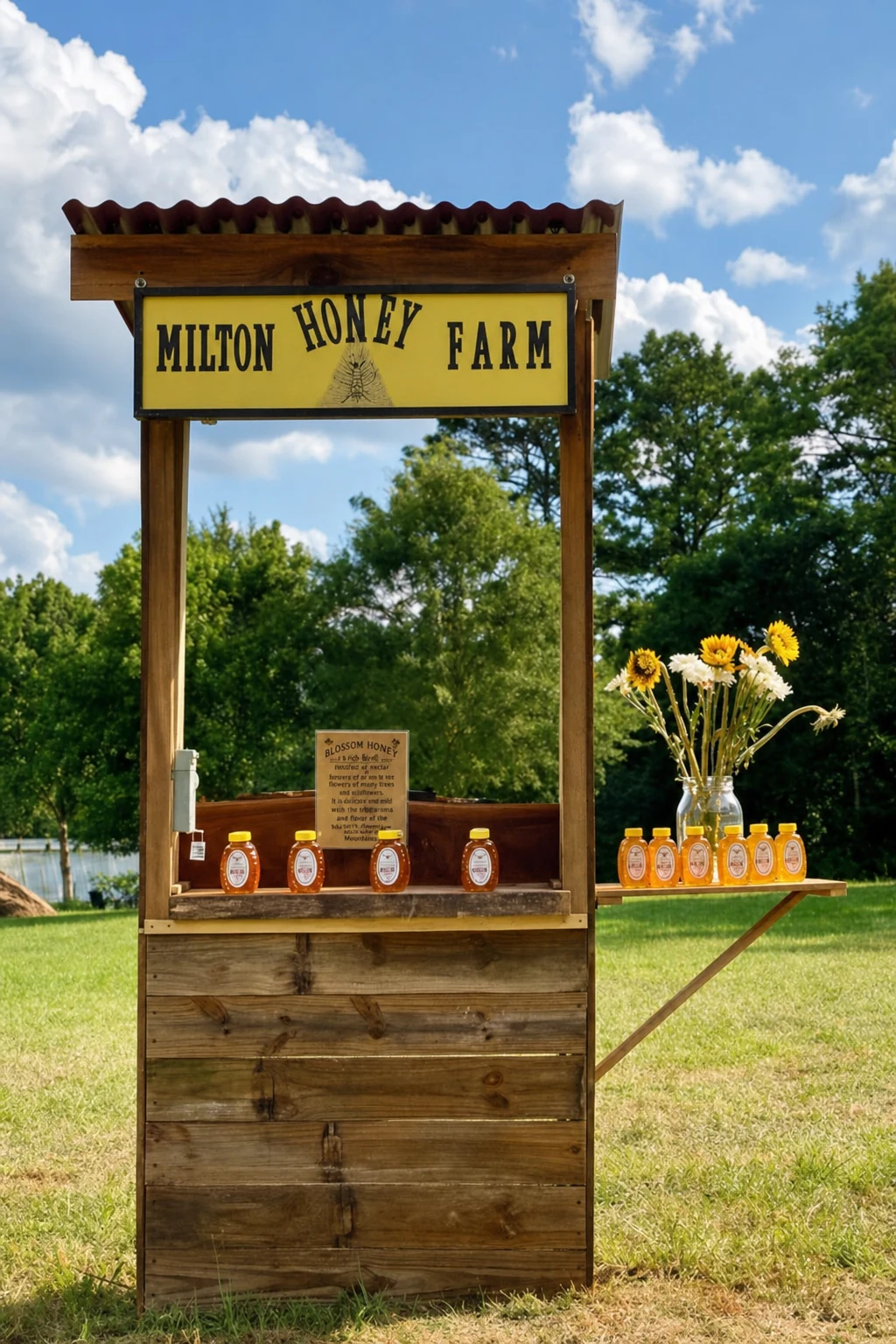
Milton Honey Farm (Bees That Summer Near Helen)
While based in Milton, GA (near Atlanta), Milton Honey Farm transports their bees to the mountains east of Helen specifically for the Sourwood bloom.
Moving bees like this, called migratory beekeeping, is common. Milton hauls hives up to high-elevation yards rich in Sourwood, blackberry, and staghorn sumac to catch the flow.
They bottle an "East of Helen" Wildflower honey and a limited-run Sourwood, both named for exactly where the bees worked.
Related Imagery from Around Helen