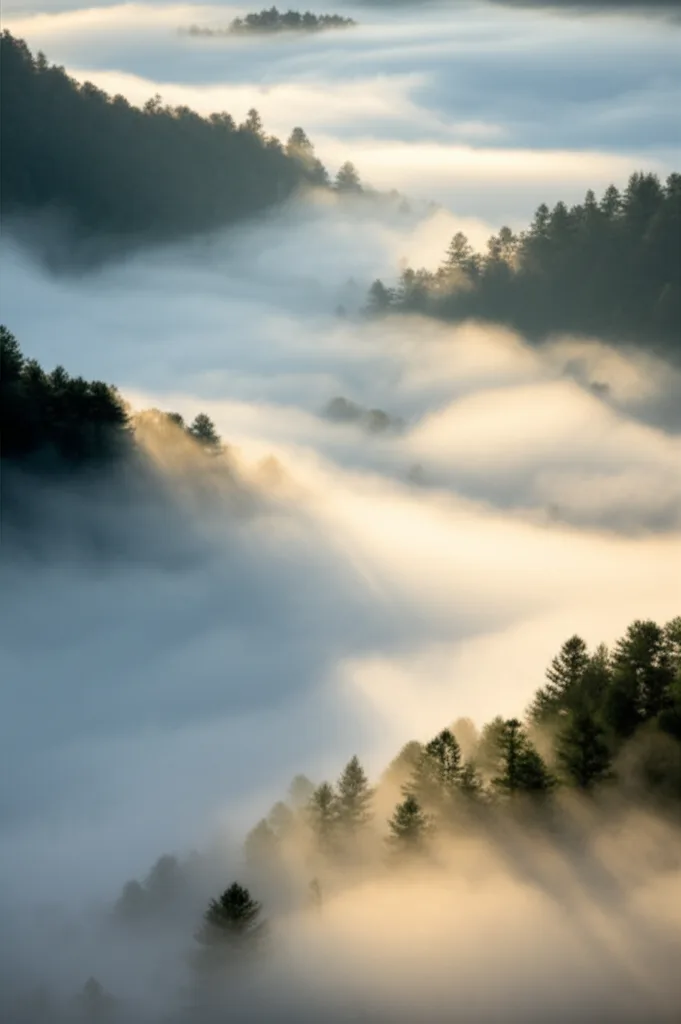
Lake Rabun
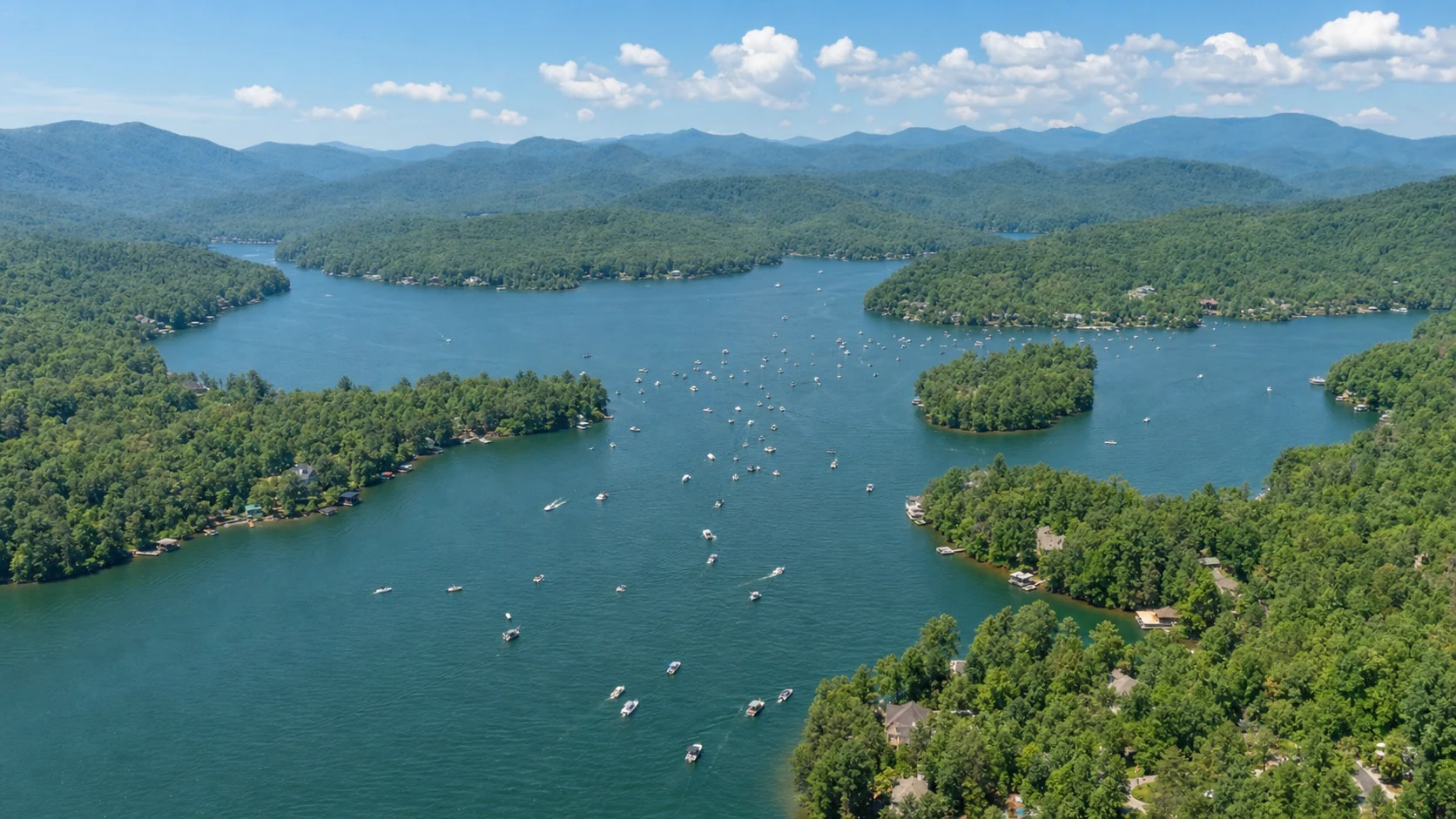
A century-old mountain lake near Helen with vintage wooden boats, lakeside dining, cliff jumping, and forested shorelines.
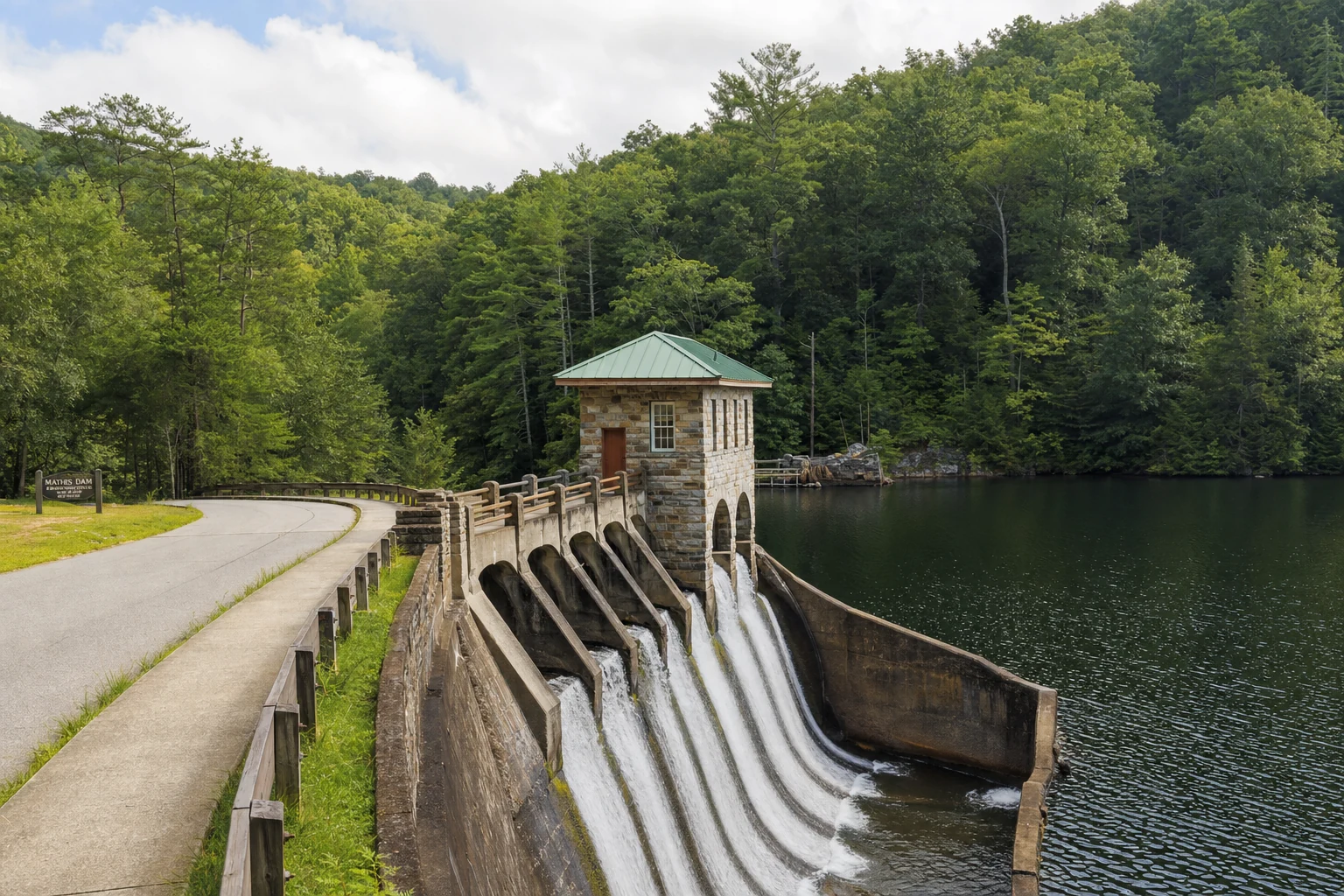
Lake Rabun came to life in 1915 when the Georgia Railway and Power Company finished the Mathis Dam, though the reservoir did not completely fill until 1925 because of tunnel construction delays.
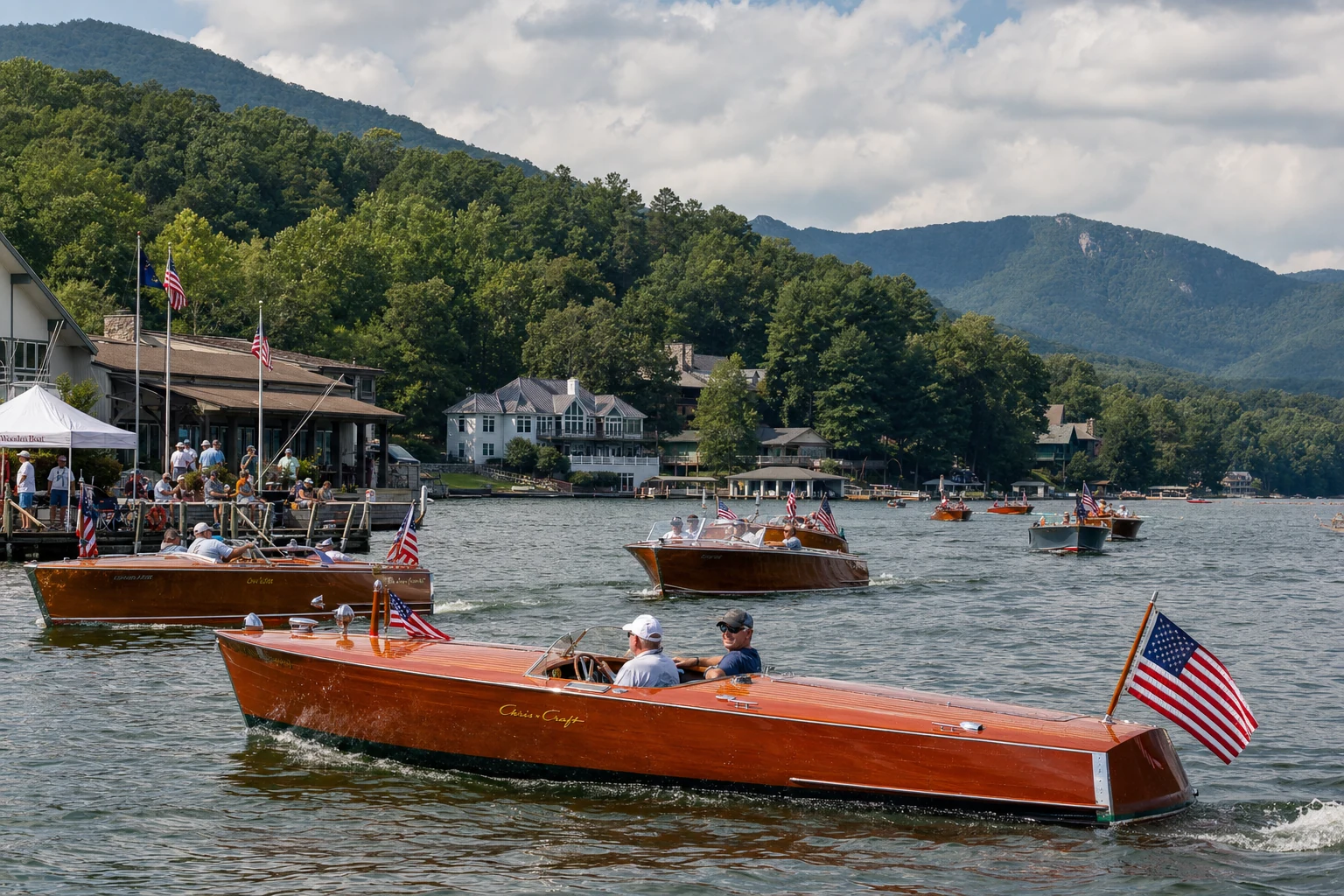
The lake is known for the "Rabun Navy," a collection of vintage wooden boats (Chris-Crafts, Gar Woods) that have stayed on the water for generations. Every Fourth of July they come out for the Wooden Boat Regatta.
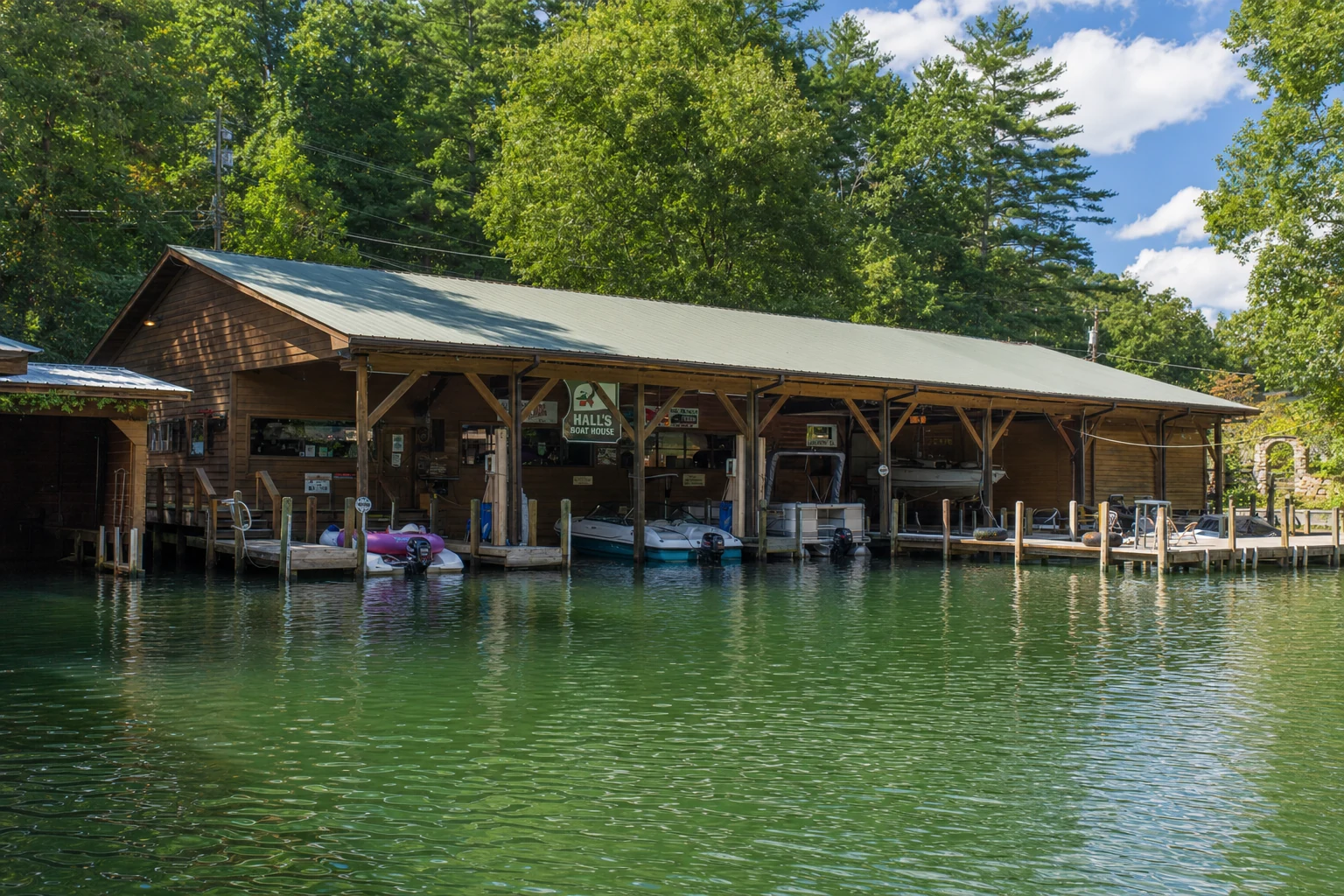
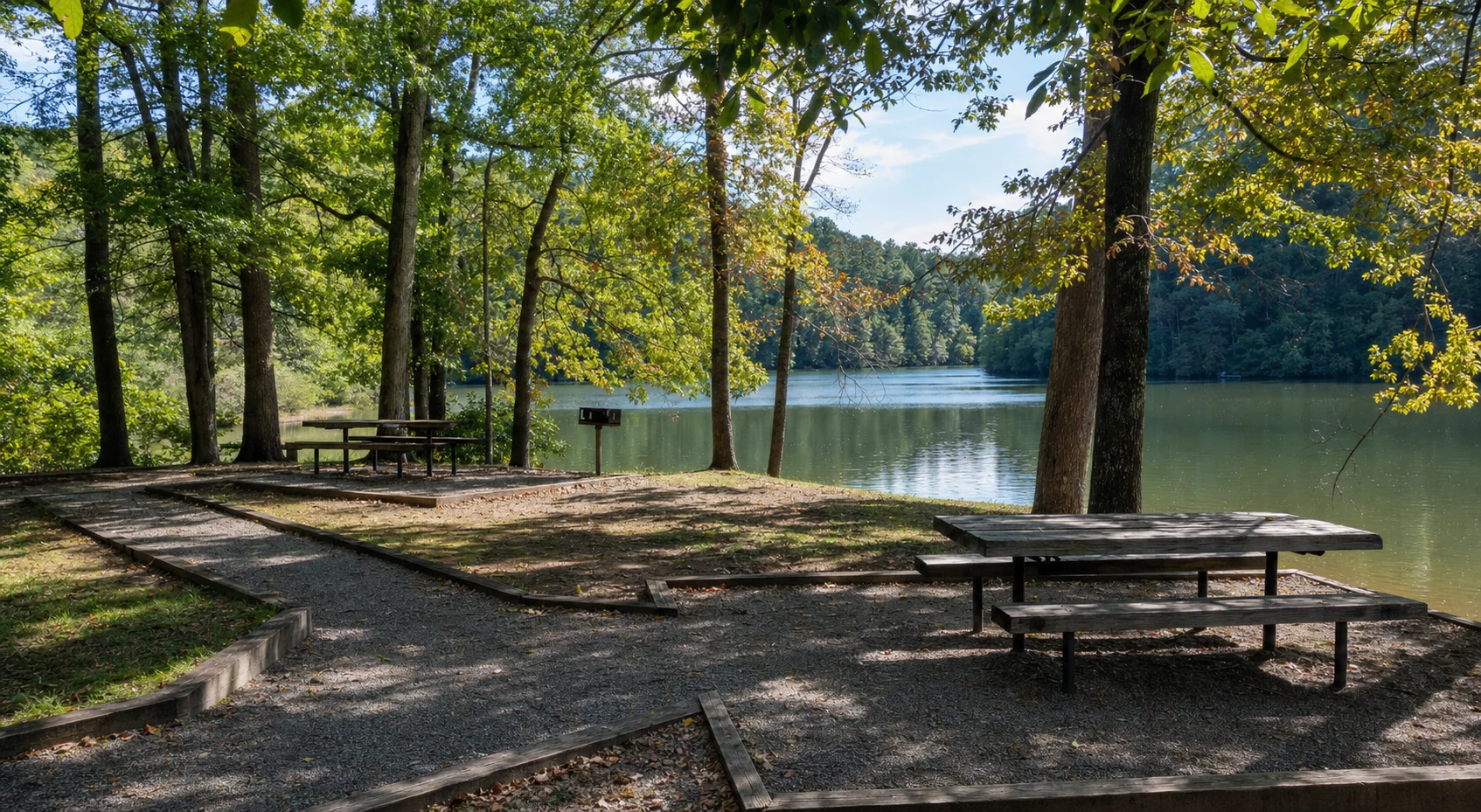
Most visitors get on the water through the Rabun Beach Recreation Area, which has camping, hiking, and swimming, or at Hall's Boat House, a historic marina that doubles as a community gathering spot.
What to Know Before You Go
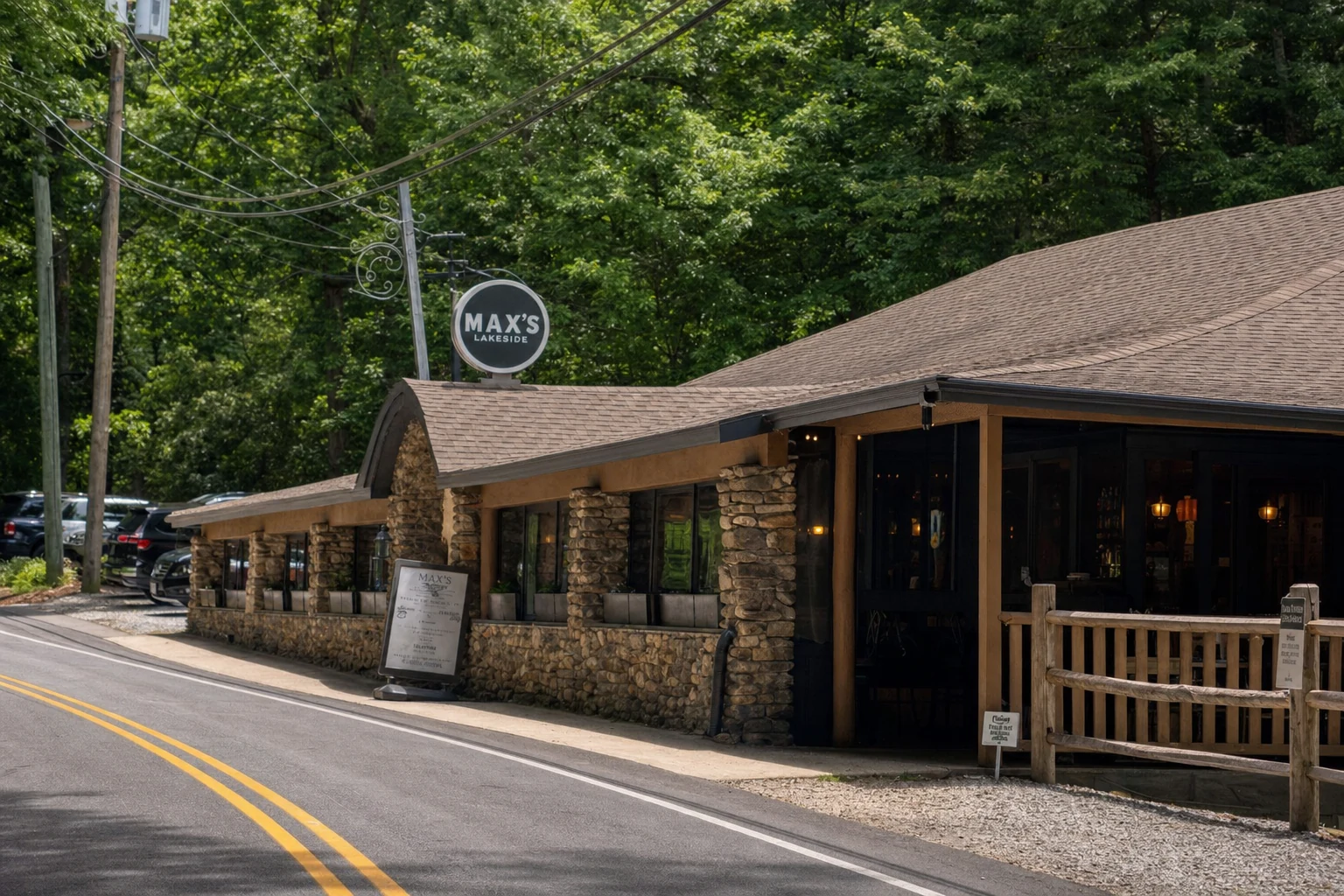
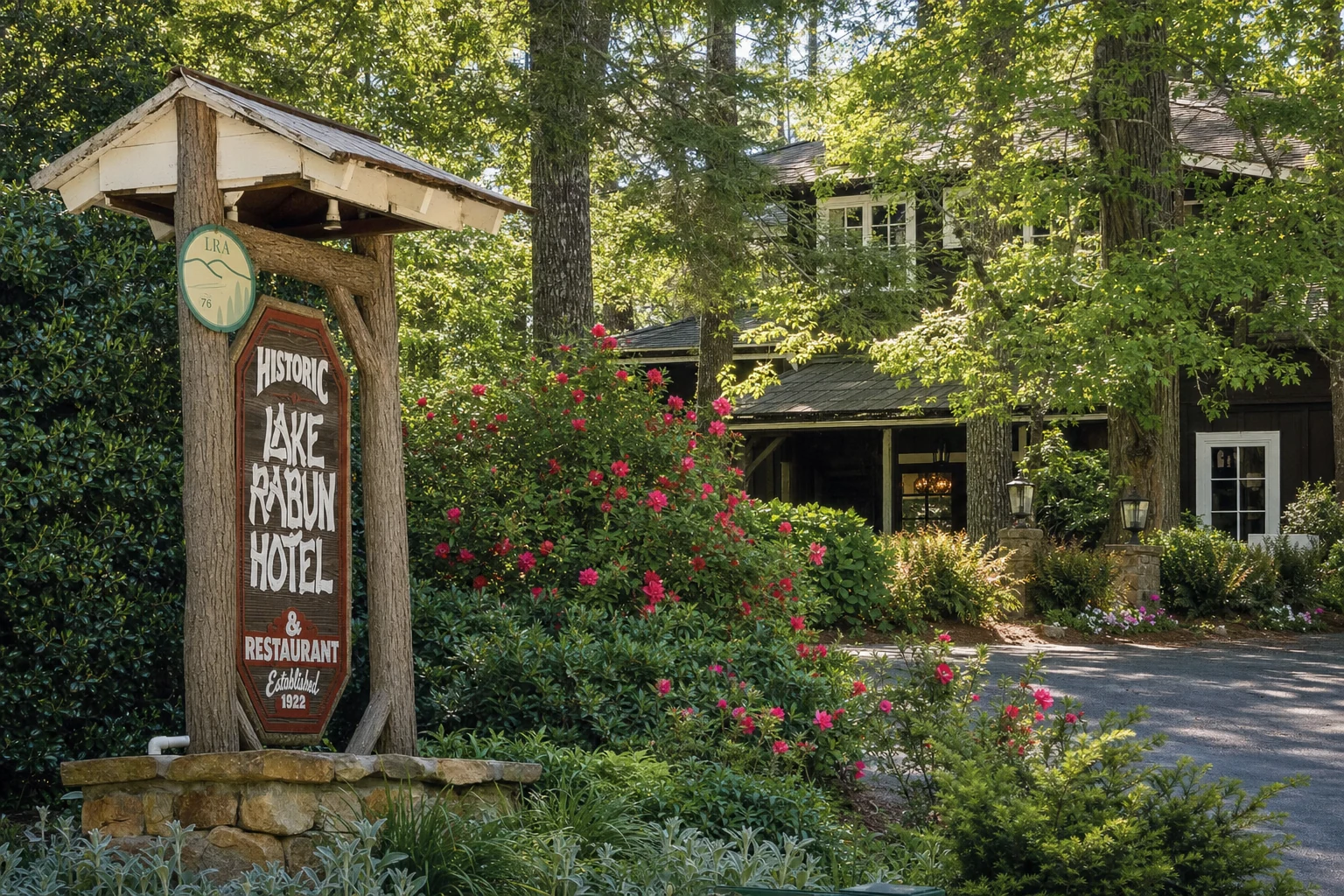
There are a couple of good places to eat here, including Max's Lakeside (formerly Louie's on the Lake) next to Hall's Boat House, and the farm-to-table restaurant at the historic Lake Rabun Hotel.
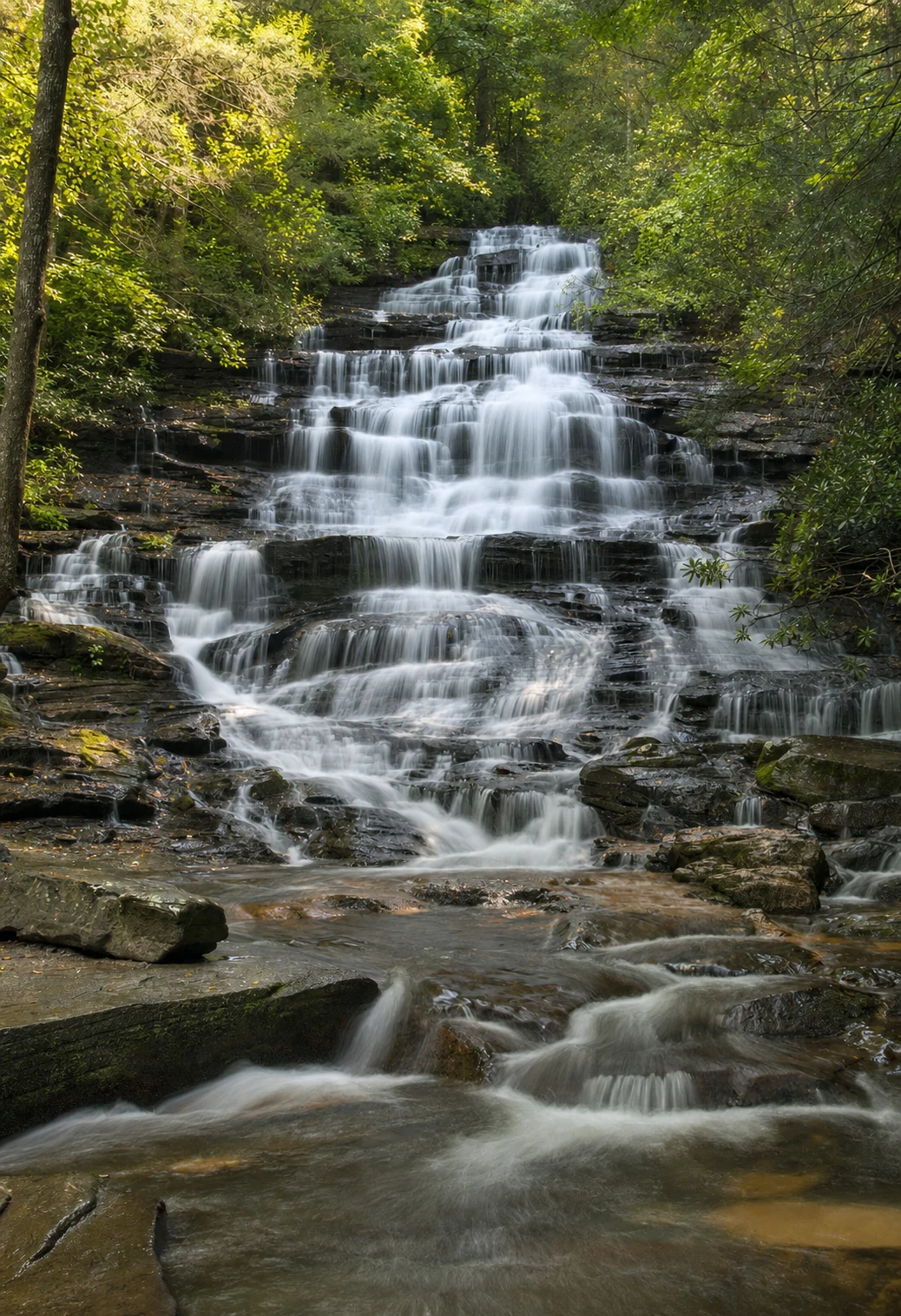
The lake also makes a good base for visiting Minnehaha Falls, one of Georgia's most popular waterfalls, which sits just off the shoreline.
How the Lake Came to Be
Lake Rabun exists because of early 20th-century hydroelectric development in the North Georgia mountains. It is the third reservoir in Georgia Power's six-lake chain on the Tallulah River basin, sitting between Lake Seed and Tallulah Falls Lake.
The Mathis Dam and the 1915 Impoundment
The construction of Lake Rabun was anchored by the Mathis Dam, an ambursen-type concrete structure completed in May 1915. The dam stands 108 feet (33 meters) high and spans 660 feet (201 meters) across the deep valley. While the dam was structurally finished in 1915, the full impoundment of the 835-acre reservoir was delayed for nearly a decade. The lake did not reach full pool until approximately 1925, pending the completion of a mile-long tunnel designed to channel water from the dam to the power generator at Tallulah Falls.
The resulting reservoir holds over ten million gallons of water and sits at a normal water level of 1,689.6 feet above mean sea level. The power generation facility, known as the Terrora Hydroelectric Plant, has a generation capacity of 16,000 kilowatts and remains an operational component of Georgia’s power grid, although it now primarily serves as a peak power supply rather than a primary source.
How the "Rabun Style" Grew Up
Unlike many reservoirs that were rapidly commercialized, Lake Rabun developed a unique, preservationist culture. In the 1920s, wealthy Atlantans began establishing summer retreats along the shoreline. Because the terrain was steep and roads were primitive, heavy wooden boats were transported by rail and mule teams to the lake. Once launched, these boats rarely left the water, leading to a high concentration of preserved vintage watercraft that remains today. This history has fostered a tight-knit community stewarded by the Lake Rabun Association (founded in 1928), which works to preserve the lake’s aesthetic and ecological integrity.
Hall’s Boat House and Lake Dining
For visitors and residents alike, the epicenter of commercial and social activity on the water is the area surrounding Hall’s Boat House. This location serves as both a marina and a culinary destination.
Hall’s Boat House
Established in the 1930s, Hall’s Boat House (often referred to locally as the Rabun Boat House) is a historic landmark and the only marina on the lake. It functions as a full-service facility providing fuel, boat repairs, and marine supplies. The boat house also features "Hall's Store," which stocks groceries, t-shirts, and lake necessities.
The marina is the primary guardian of the lake's wooden boat culture, specializing in the maintenance and restoration of vintage Chris-Crafts, Gar Woods, and Hackers. It also serves as a rental hub, offering pontoon boats for half-day and full-day excursions.
Max’s Lakeside (The Restaurant at Hall's)
The restaurant immediately adjacent to Hall’s Boat House, historically known as "Louie’s on the Lake," has been transformed into Max’s Lakeside. While maintaining the historic charm of the original structure, the venue has been renovated to include modern amenities, central air, and a wrap-around porch.
Max’s does New York-style pizza and traditional Italian. The menu runs to build-your-own pizzas, skillet-roasted shrimp, burrata caprese, meatball marinara, and chicken parmesan.
Downstairs you'll find the "Swing Bar," where the seating is actual swings. It's a casual lakeside spot for a cocktail.
Hours: Open year-round, which is rare for a lake business, though hours for the dining room and Swing Bar shift with the season (the Swing Bar is usually weekends only).
The Lake Rabun Hotel & Restaurant
Located just across the street from Hall’s Boat House is the historic Lake Rabun Hotel, built in 1922. It is the last surviving mountain lodge on a Georgia lake and offers a highly regarded farm-to-table restaurant.
The menu leans on locally grown organic produce, humanely raised meats, and wild-caught seafood. The signature Pecan Encrusted Mountain Trout has been named by Explore Georgia as a top meal loved by locals.
You can eat in a rustic dining room or out on the locust log decks under old-growth oaks and hemlocks. Dinner runs Wednesday through Sunday, plus a Sunday brunch.
Rabun Beach Recreation Area
For campers, hikers, and day-trippers, the Rabun Beach Recreation Area is the primary public access point to the lake. Managed by the U.S. Forest Service within the Chattahoochee-Oconee National Forest, this facility offers a comprehensive outdoor experience.
Camping at the Lake
The recreation area features a developed campground with 80 campsites suitable for both tents and trailers.
Amenities: The sites are equipped with grills, picnic tables, and lantern posts. Of the 80 sites, 21 offer electrical and water hookups, making them suitable for RVs (up to 40 feet in some sites), while others are primitive tent sites.
Facilities: The campground includes restroom facilities with hot water showers and flush toilets, a dump station, and on-site camp hosts.
Seasonality: The campground typically operates from mid-May to mid-November.
Related Imagery from Around Helen