
The Georgia Gold Rush and Where to Pan Today
America's first gold rush started at Duke's Creek near Helen in 1828. The story, and the mines around Dahlonega where you can still find gold.
The Georgia Gold Rush: America's First Spark of Gold Fever
The Georgia Gold Rush of 1828 was the first major gold rush in the United States, two decades ahead of California's 1849 strike. It turned the North Georgia mountains from Cherokee lands into busy prospecting towns like Dahlonega. It centered on discoveries at Duke's Creek near modern-day Helen, pulled millions in gold from the ground, brought a branch of the U.S. Mint to Dahlonega, and sped up the removal of Native Americans on the Trail of Tears.
Historical Origins and Key Discoveries
Gold fever struck North Georgia in 1828 when prospectors, spilling over from North Carolina's earlier finds, uncovered rich veins in the region's rivers and creeks. The key moment came at Duke's Creek in White County, where John Witheroods from North Carolina pulled out a 3-ounce nugget, and a Black servant of Major Frank Logan from Louisville spotted gold in the waters around the same time. Locals called what followed the "Great Intrusion."
Benjamin Parks is often credited with the broader Dahlonega discovery that same year, kicking a yellow stone in the woods that proved to be pure gold, drawing thousands of miners to Lumpkin County. By 1830, an estimated 4,000 to 10,000 miners worked creeks like Yahoola, yielding over 300 ounces daily; boomtowns Auraria and Dahlonega sprang up, with Dahlonega alone supporting 15,000 at its peak. The U.S. responded by opening the Dahlonega Mint in 1838 (operating until 1861), coining $6 million in gold before the Civil War halted operations.
Duke's Creek, flowing through the Nacoochee Valley near Helen, became ground zero; one merchant there shipped $1-1.5 million in gold over 30 years. Hydraulic mining scars - deep pits from high-pressure water jets - still dot the creek, remnants of 19th-century innovation when placer mining (panning riverbeds) gave way to hard-rock extraction.
Impact on Helen Area and Dahlonega
Just 28 miles (about 36-38 minutes' drive) northeast of Dahlonega lies Helen, where Duke's Creek's legacy endures amid the Bavarian-themed village and Blue Ridge foothills. The rush boomed Dahlonega into Georgia's gold capital, but encroached on Cherokee territory, leading to the 1832 Gold Lottery that redistributed 40-acre plots via state grabs, fueling President Jackson's Indian Removal Act of 1830 and the 1838 Trail of Tears - where 4,000 Cherokee perished en route to Oklahoma.
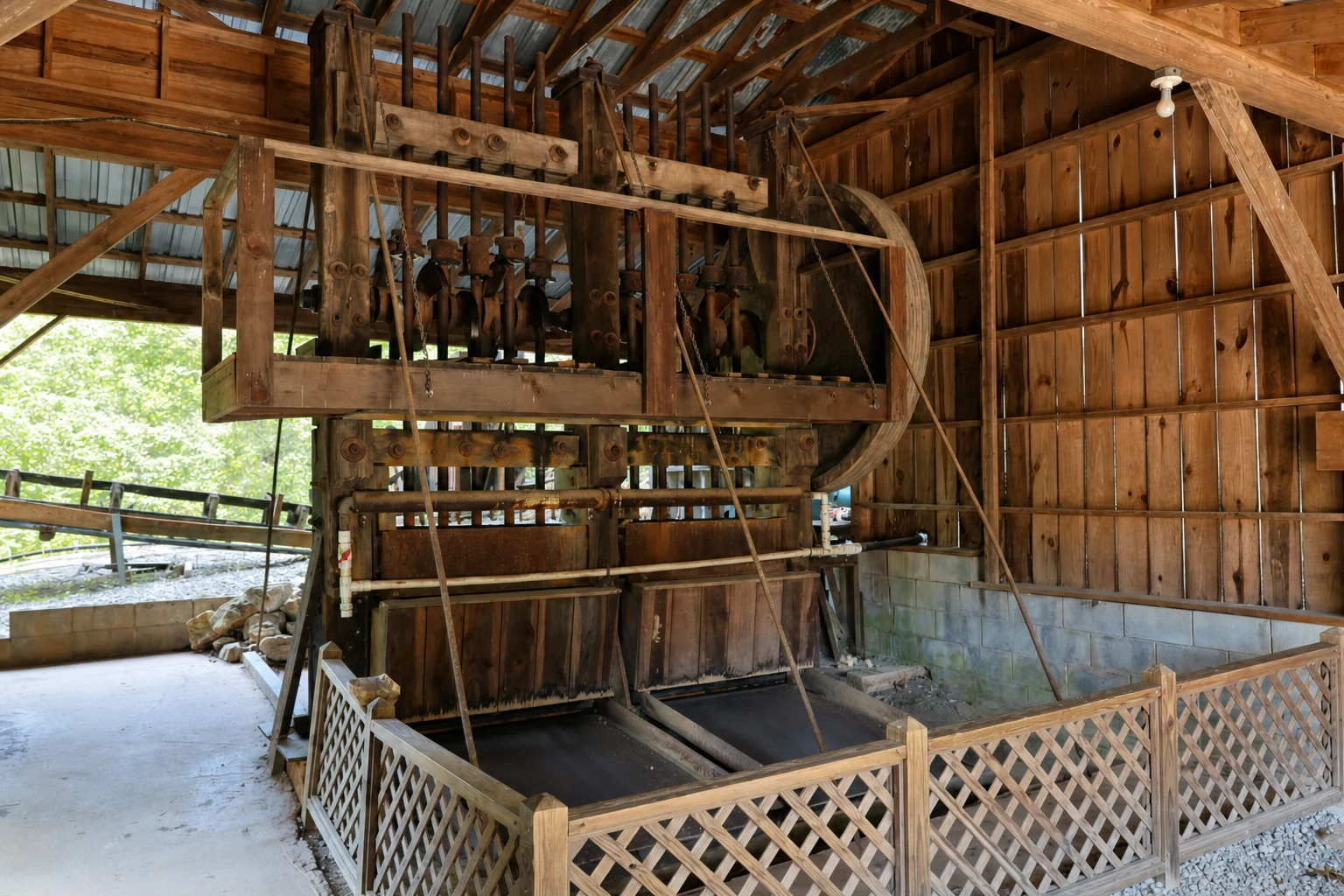
Mining evolved: early placer gave way to stamp mills crushing quartz ore, as at Crisson Gold Mine (active commercially until the 1980s). By the 1900s, massive operations like the Dahlonega Consolidated Mining Company's 120-stamp mill (1900-1906) represented the East's largest gold plant. Gold output totaled around 25 tons from 1828-1945, but post-Civil War decline and cheaper Western strikes dimmed the era.
Modern Gold Mining Sites: Relive the Rush
Dahlonega Gold Museum State Historic Site
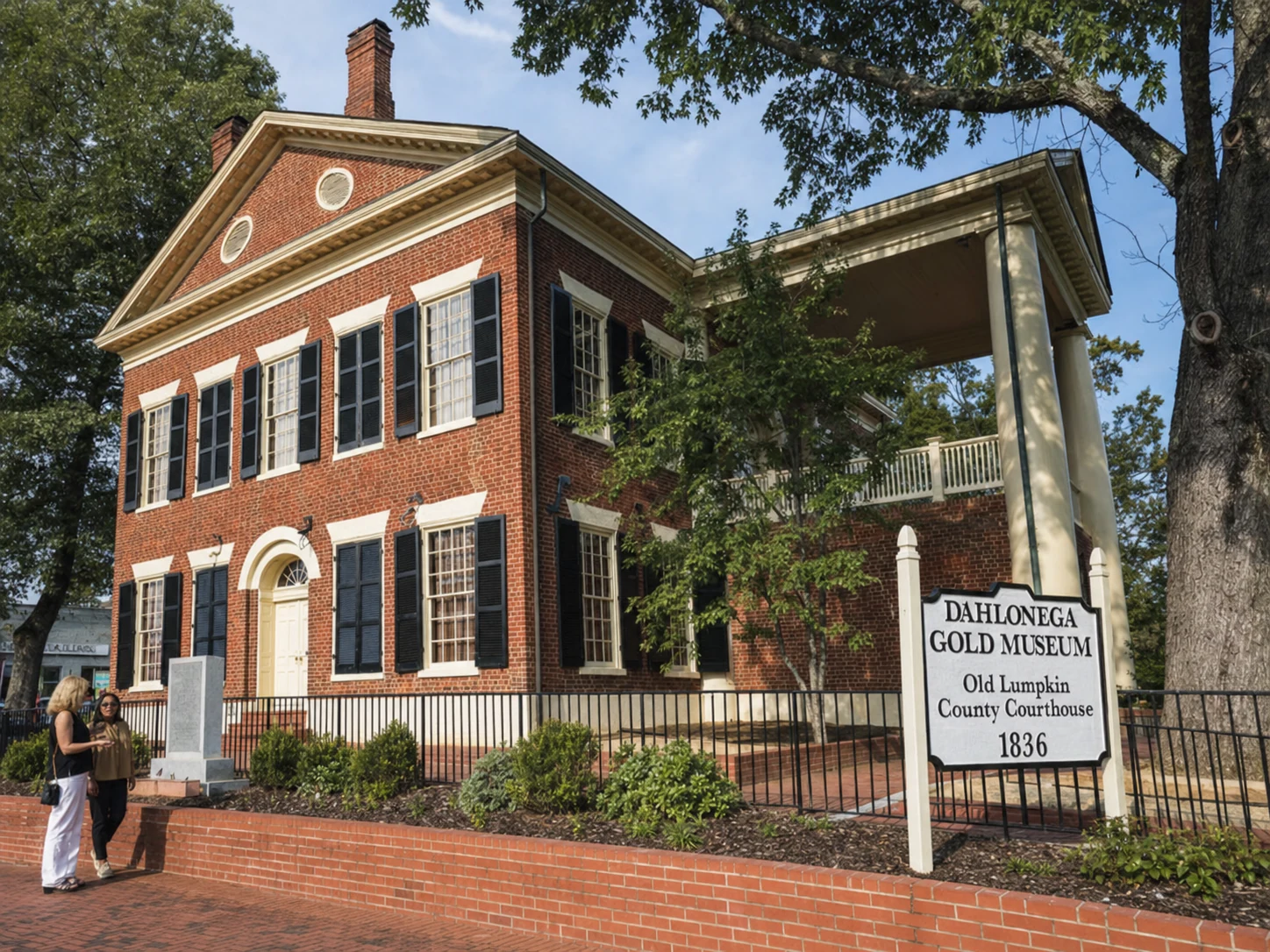
Housed in the 1836 Lumpkin County Courthouse (Georgia's oldest surviving), the Dahlonega Gold Museum chronicles the rush with nuggets, coins, tools, and an 18-minute film.
Address: 1 Public Square N, Dahlonega, GA 30533
Phone: (706) 864-2257
Hours: Mon-Sat 9 AM-5 PM; Sun 10 AM-5 PM (closed major holidays)
Pricing: Adults $8.50, Seniors (62+) $8/$6.50, Youth (6-17) $6, Kids under 6 free
Partially accessible (first floor only). Insider tip: The massive 129-ounce nugget display feels like holding history - pair it with the free audio tour for Parks' tale.
Crisson Gold Mine
Operating since 1847 (commercially to 1980s), this open-pit site features a 125-year-old stamp mill crushing quartz ore daily - the state's only working one.
Address: 2736 Morrison Moore Pkwy E, Dahlonega, GA 30533
Phone: (706) 864-6363
Website: crissongoldmine.com
Hours: Daily 10 AM-5 PM (rain or shine; closed Thanksgiving/Christmas)
Pricing: Admission free; gold panning buckets $10-$100+ based on size (paydirt guaranteed with flakes/nuggets)
Consolidated Gold Mine
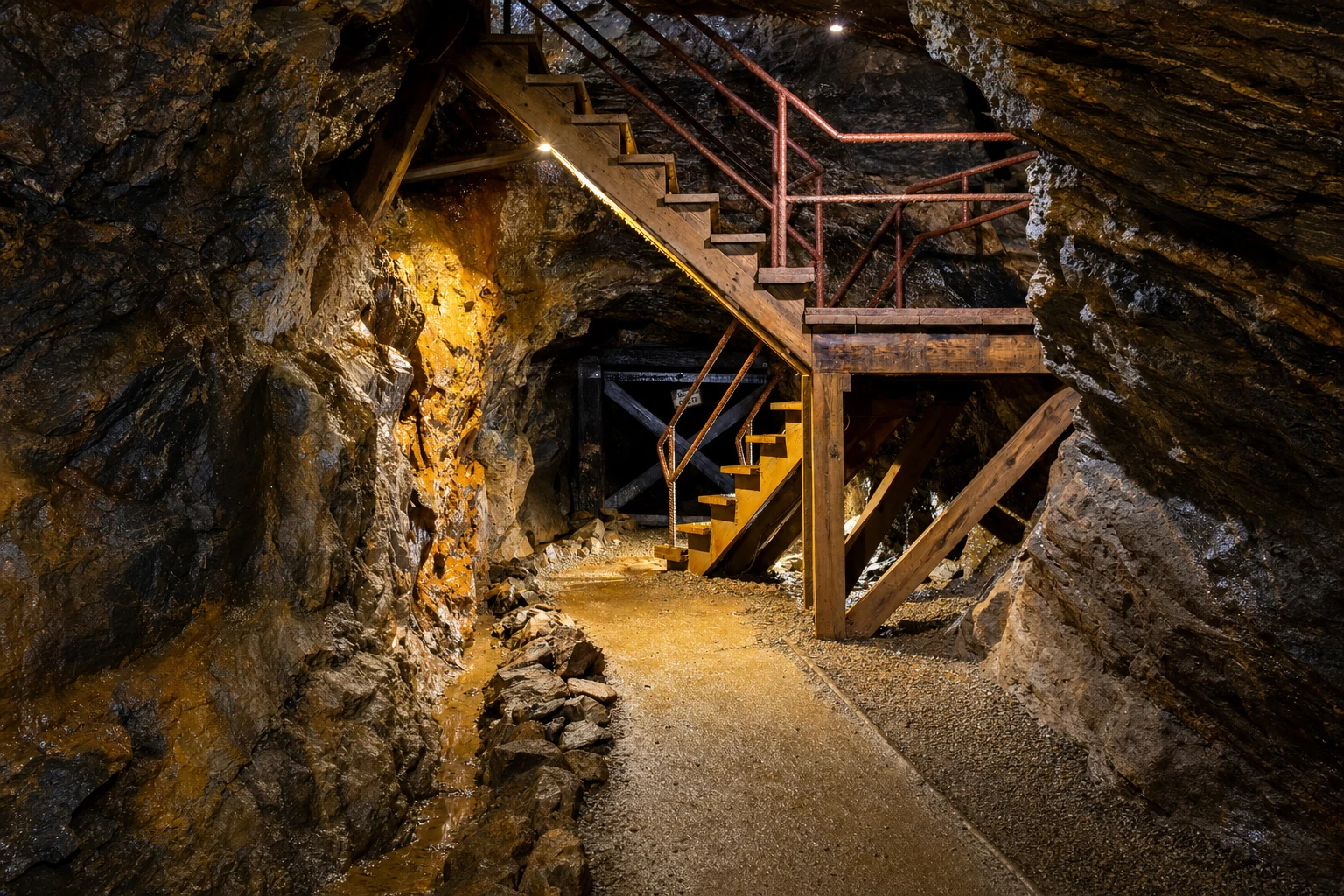
Built 1875, this National Register site offers the area's only safe underground tours into the "Glory Hole," with original rails and drills.
Address: 185 Consolidated Gold Mine Rd, Dahlonega, GA 30533 (near Walmart)
Phone: (706) 864-8473
Website: consolidatedgoldmine.com
Hours: Typically daily 10 AM-5 PM (verify seasonally)
Pricing: Underground tour ~$23 adults, $16 youth (includes panning); gem mining extra
Helen-Area Spots: Duke's Creek Gold & Ruby Mines and Outpost
Directly tied to 1828 discovery, Duke's Creek sites let you pan the historic waterway.
Duke's Creek Gold & Ruby Mines
Address: 7901 S Main St (or 6145 Helen Hwy), Helen, GA 30545
Phone: (706) 878-5065
Hours: Seasonal Mar-Oct, ~10:30 AM-5 PM (rain or shine)
Pricing: Buckets $10-$50 (gold/gems guaranteed); free entry
Seasonal Considerations and Best Times to Visit
Spring (Mar-May) blooms with mild 60-70°F temps, ideal for hiking to Duke's Creek pits or museum visits sans crowds. Summer (Jun-Aug) buzzes with festivals like Dahlonega's Gold Rush Days (Oct), but heat (80-90°F) and crowds peak - opt for morning panning.
Fall (Sep-Nov) shines: Vibrant foliage frames creeks, cooler 50-70°F weather perfect for tours; hit Gold Rush Days for parades, mining demos. Winter (Dec-Feb) quiets (40-50°F), with indoor panning at Crisson/Outpost; holiday lights in Helen/Dahlonega add charm, fewer lines. Year-round sites like Crisson thrive rain-or-shine. Best overall: Fall for colors/history synergy.
Nearby Attractions and Blue Ridge Connections
From Helen, GA-75 leads to Duke's marker (north of Cleveland); pair with Unicoi State Park hikes or Chattahoochee River tubing. Drive 28 miles southwest to Dahlonega's square for wineries (Wolf Mountain, Kaya), Appalachian Trail trailheads at Amicalola Falls (30 min north), or Brasstown Bald summit.
The rush connected Helen and Dahlonega in ways that still shape the region. Gold money funded the early roads and trails that now link to Blue Ridge Parkway drives, falconry at Nacoochee Village, and Helen's Oktoberfest. You can also visit Yahoola Creek's creekside parks for open-water panning (permit needed).
Practical Logistics: Plan Your Gold Quest
Getting There: From Helen, GA-75/GA-52 to Dahlonega (36 min, scenic). Ample free parking at all sites: Museum (square lot), Crisson (onsite), Consolidated (near Walmart), Duke's (gravel lot).
Accessibility: Museum first floor only; mines have stairs/uneven ground - call ahead. Crisson/Outpost covered for weather.
What to Bring: Comfortable shoes, water bottle, sunscreen/hat (summer), layers (mountains vary 10-20°F), cash for buckets (~$20/person fun minimum), camera for nuggets/foliage. Kids: Buckets beat museums.
Tips: Book group tours; pan early for staff help. Combine: Morning Duke's (Helen), lunch Bavarian fare, afternoon Dahlonega tour. Fuel up - gas scarce in hills. Respect sites: No digging historic pits.
The gold story is still alive in Helen's streams and Dahlonega's streets. You can pan for yourself and feel what drew thousands of people into these mountains nearly 200 years ago.
Related Imagery from Around Helen