
The Gilded Appalachians
How the 1828 gold rush remade Dahlonega, Auraria, and the Nacoochee Valley near Helen, and pushed the Cherokee out.
The Short Version
The first major gold rush in the United States happened in North Georgia, not California. It began in 1828, two decades before the 1849 Sutter's Mill discovery.
Who found the first gold is disputed. Credit is claimed both by Benjamin Parks in Lumpkin County and, just as importantly, by an enslaved man belonging to Major Frank Logan in White County, along Dukes Creek.
The rush was the main reason the federal government enforced the Indian Removal Act of 1830, which led to the Trail of Tears and the expulsion of the Cherokee Nation from lands they held legally.
Auraria, once a booming town of the gold belt, is now a ghost town. Many of the people who left it went west and helped found Denver, Colorado.
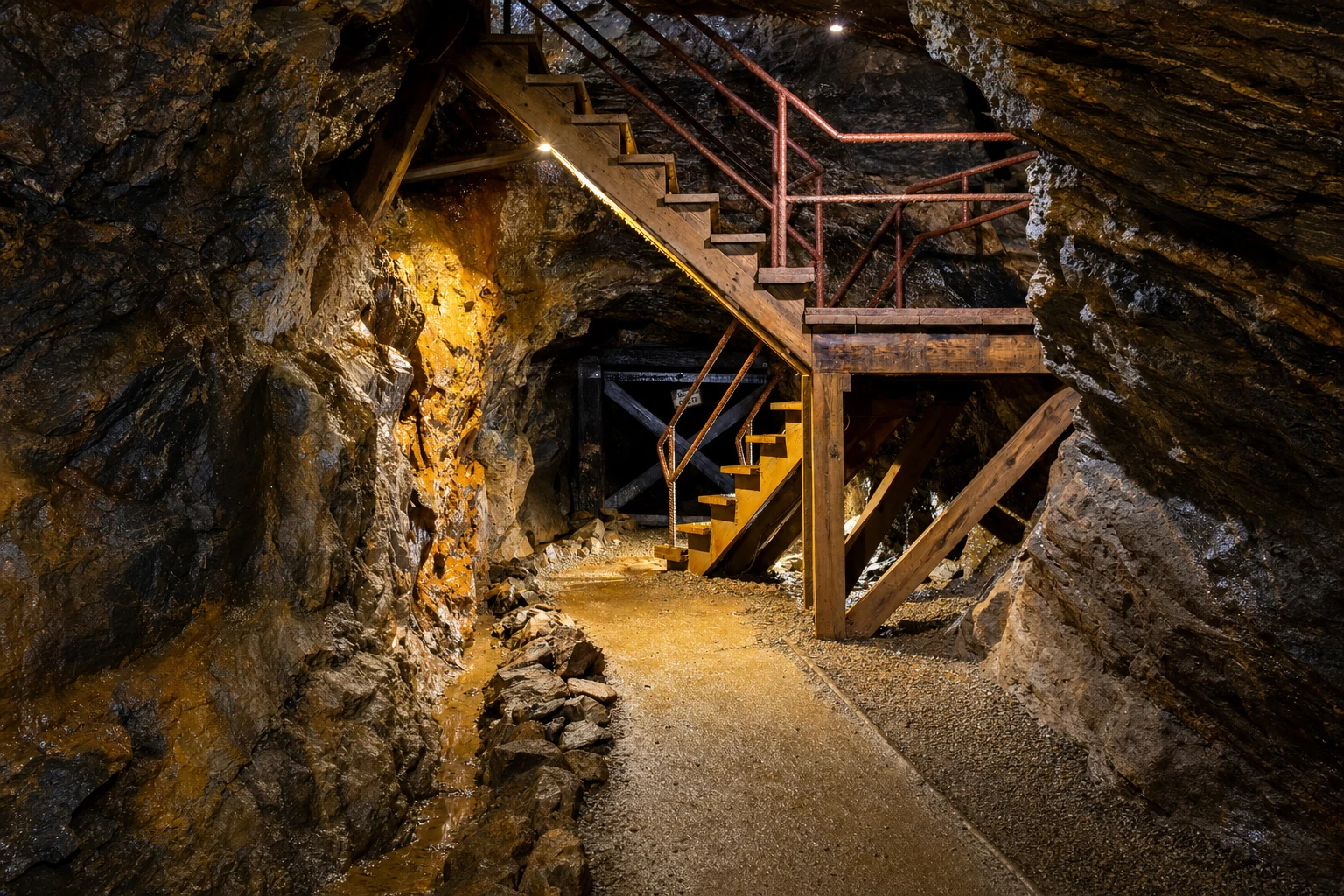
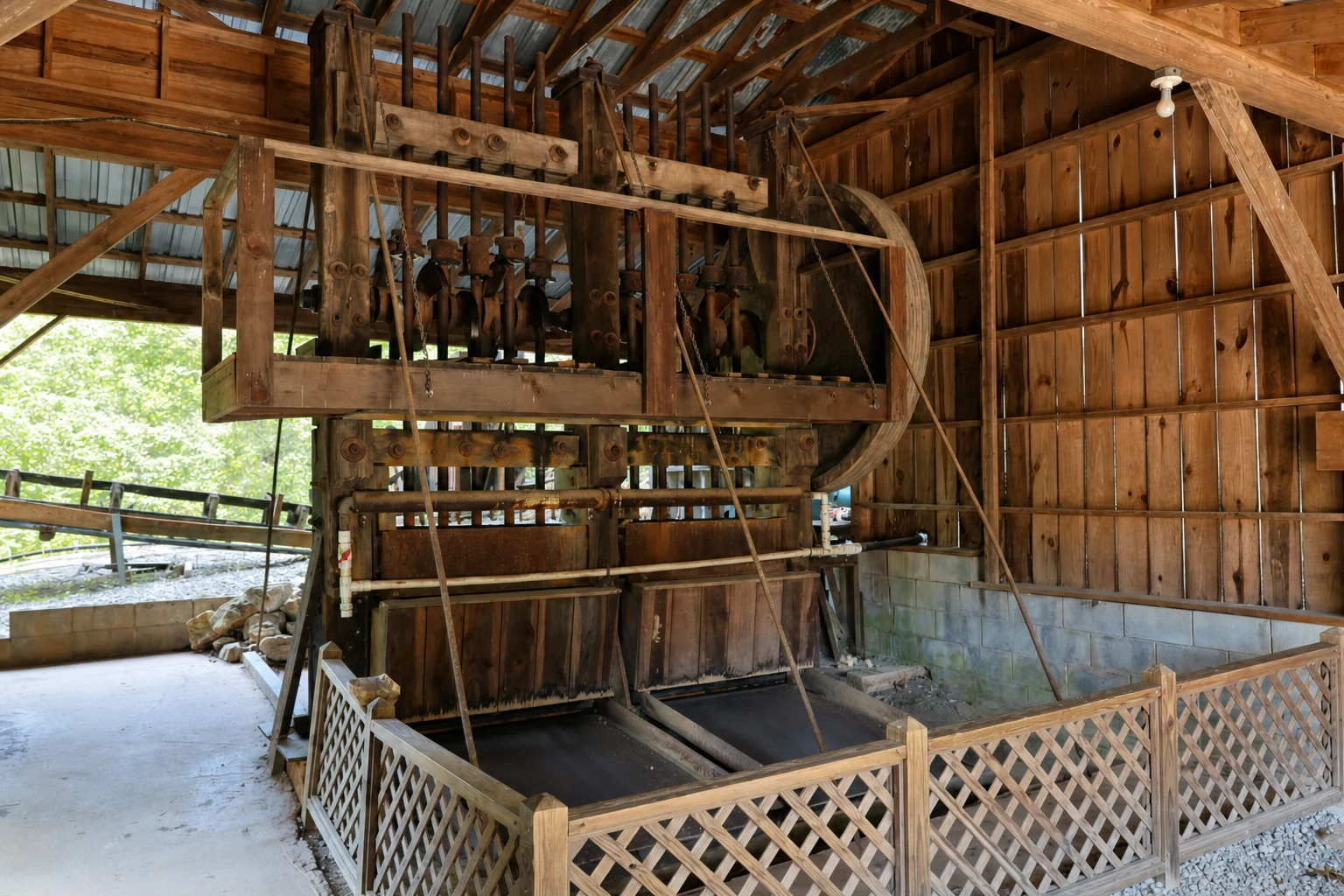
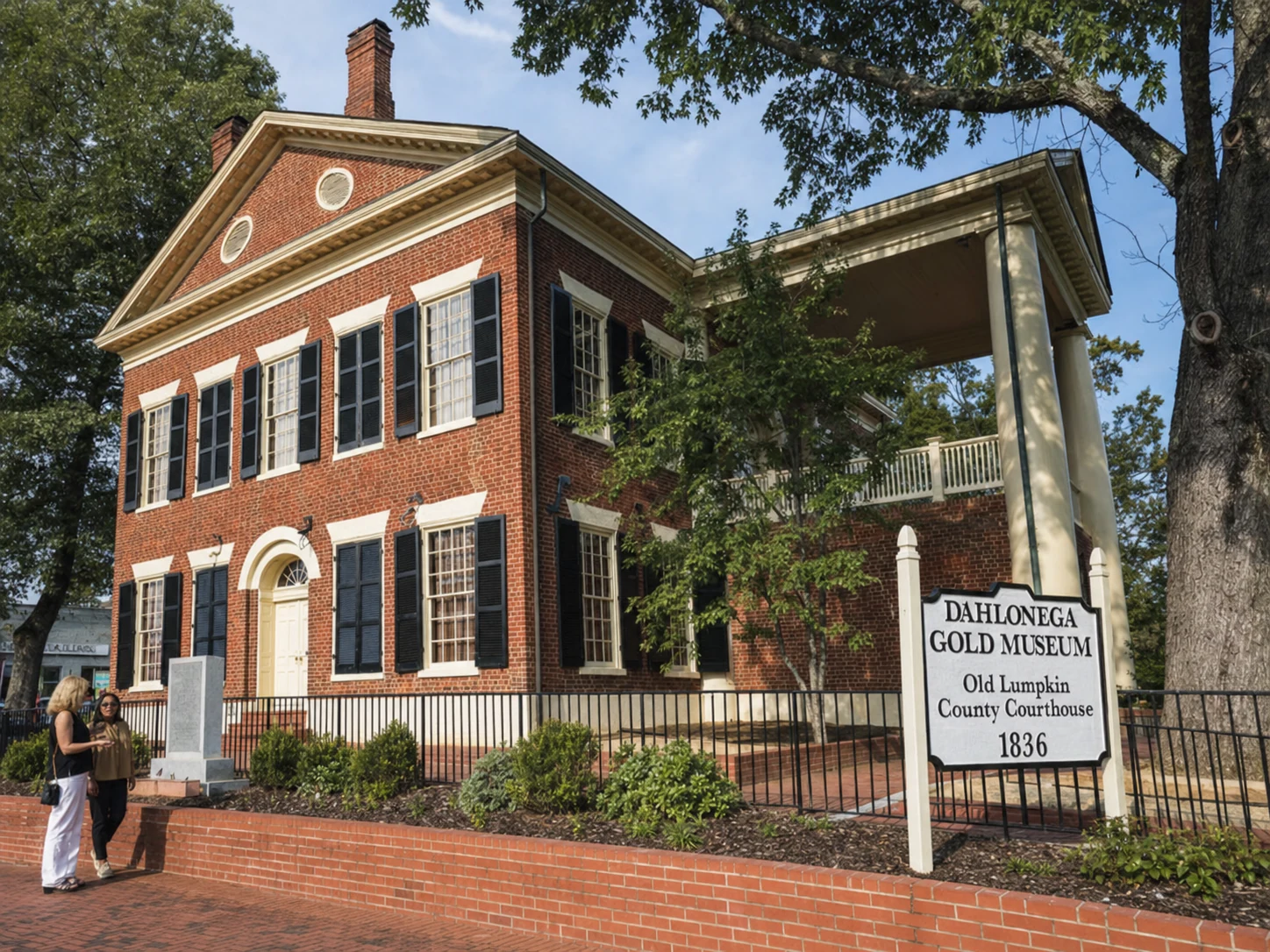
You can still see much of this history today at the Dahlonega Gold Museum in the 1836 courthouse, the Consolidated Gold Mine, and the Crisson Gold Mine.
The Great Intrusion
Long before anyone shouted "Eureka!" in the Sierra Nevada, the Blue Ridge Mountains of Georgia were the center of American gold fever. Between 1828 and the mid-19th century, this region went from sovereign Cherokee territory to a chaotic, violent mining district that people called the "Great Intrusion." What follows covers the history, geography, and current tourism landscape of the Georgia Gold Belt, with a focus on Dahlonega, Auraria, and the Nacoochee Valley near Helen.
The Georgia Gold Belt runs northeast to southwest through these mountains, a geological formation of unusually pure crystalline gold deposits that changed the course of the American South. The Georgia Historical Society maintains extensive records documenting this transformative period.
1828 and the Discovery Controversy
The exact moment the Georgia Gold Rush began is shrouded in folklore and competing historical claims. While Spanish explorers under Hernando de Soto moved through the area in 1540 looking for treasure, documented commercial discovery did not occur until 1828.
The Dukes Creek Discovery (White County)
The most historically substantiated claim places the first discovery in the Nacoochee Valley along Dukes Creek (near present-day Helen). In 1828, a "Negro servant" (enslaved man) belonging to Major Frank Logan is credited with finding gold while working the land. While the name of this man was rarely recorded in the racialized historical texts of the era, his discovery sparked an influx of prospectors from North Carolina.
Location: Dukes Creek, Nacoochee Valley, White County.
Elevation: The valley floor sits at approximately 1,312 to 1,473 feet.
Historical Note: A nearby merchant in the Nacoochee Valley reportedly purchased between $1 million and $1.5 million worth of gold (in 1830s currency) over a 30-year period following this discovery.
The Benjamin Parks Claim (Lumpkin County)
The opposing narrative, often romanticized in local lore, belongs to Benjamin Parks. In an interview given to the Atlanta Constitution in 1894 (when Parks was in his nineties), he claimed to have kicked over a rock while deer hunting near Licklog (now Dahlonega) in 1828, revealing a vein of gold. Parks recalled the subsequent frenzy: "The news got abroad, and such excitement you never saw... men came afoot, on horseback and in wagons, acting more like crazy men than anything else".
The Explosion of 1829
Regardless of who struck first, by August 1, 1829, the Georgia Journal (a Milledgeville newspaper) published a notice confirming two gold mines had been discovered, effectively launching the rush. By 1830, Niles' Register estimated 4,000 miners were working on Yahoola Creek alone.
Auraria: The Ghost Town that Birthed Denver
Before Dahlonega became the center of the universe for Georgia miners, there was Auraria. Located roughly five miles southwest of present-day Dahlonega, Auraria (Latin for "City of Gold") was the site of the first major boomtown.
Rise and Fall
Established in 1832, Auraria was originally known as Nuckollsville, named after Nathaniel Nuckolls, who established a tavern and hotel to service the miners. It was described as a lawless place of gambling, drinking, and vice. By 1833, the population reached 1,000, with 100 family dwellings, nearly 20 stores, and five hotels.
The town's decline was political. When Lumpkin County was formed in 1832, a bitter dispute arose over the location of the county seat. The courts selected a site north of Auraria - Licklog - which was renamed Dahlonega. Auraria lost the courthouse, and subsequently, the U.S. Mint, sealing its fate.
The Colorado Connection
The death of Auraria, Georgia, led directly to the birth of Denver, Colorado. In 1858, a group of Auraria miners led by William Greenberry Russell (often called "Green" Russell) headed west to the Kansas Territory (modern Colorado). They discovered gold at Cherry Creek and founded a settlement they named Auraria in honor of their Georgia home. This settlement later merged with a rival camp to become Denver. The Georgia Archives holds original documents tracing the migration of these Georgia miners westward.
Visiting Auraria Today (Ghost Town Status)
Auraria is technically a ghost town, though a few residents live in the area. It is not a manicured tourist attraction but a site of ruins and private property.
Ruins: The most photographed structure is Woody’s Store (closed since the 1980s) located at the intersection of Castleberry Bridge Road. The ruins of the Graham Hotel (built circa 1826 or 1830s) also remain in varying states of decay, alongside the red "Bank House".
Directions: From the Dahlonega square, take the west road toward Dawsonville (Highway 9). Pass the University of North Georgia. Turn left at the bottom of the hill; continue approx. 3 miles to the intersection with Castleberry Bridge Road.
Advisory: Much of Auraria is private property. Trespassing is strictly prohibited. The sites are best viewed from the public right-of-way.
Related Imagery from Around Helen