Photography in Helen, Georgia
Covered bridges, misty waterfalls, downtown streetscapes, and seasonal color along the Chattahoochee
Helen and the surrounding Blue Ridge Mountains offer a wide range of subjects for photographers, from Bavarian architecture downtown to waterfalls in the national forest.
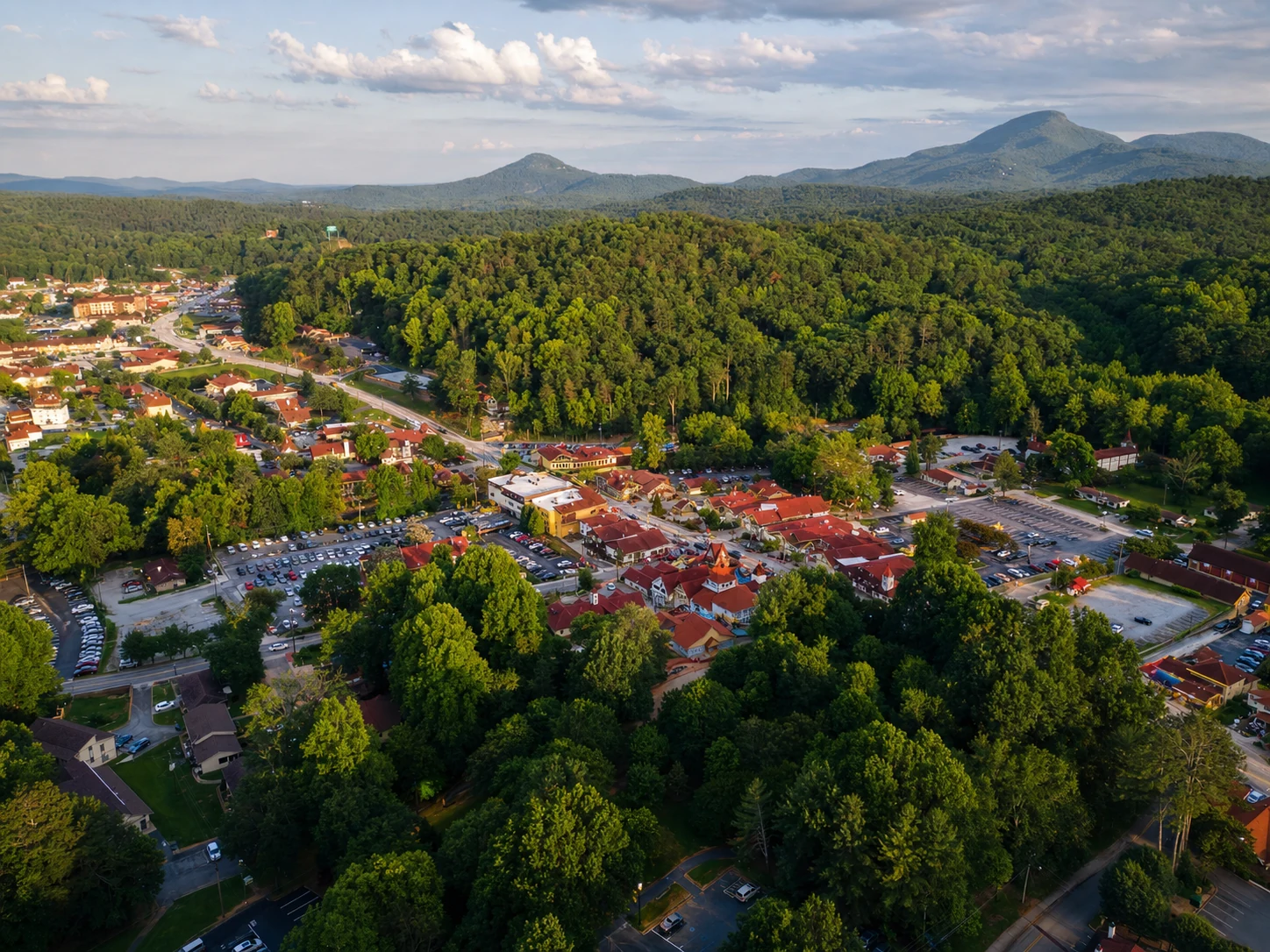
Helen, Georgia, sits in the North Georgia Blue Ridge Mountains and is listed on Explore Georgia as a top scenic destination. The Bavarian-themed village gives you architectural shots that look European, while the surrounding mountains deliver waterfalls, lakes, and fall foliage. Whether you shoot landscapes, street scenes, or nature details, there is plenty of material here.
Alpine Village Architecture: Downtown Helen's Photographic Charm
The Bavarian Transformation
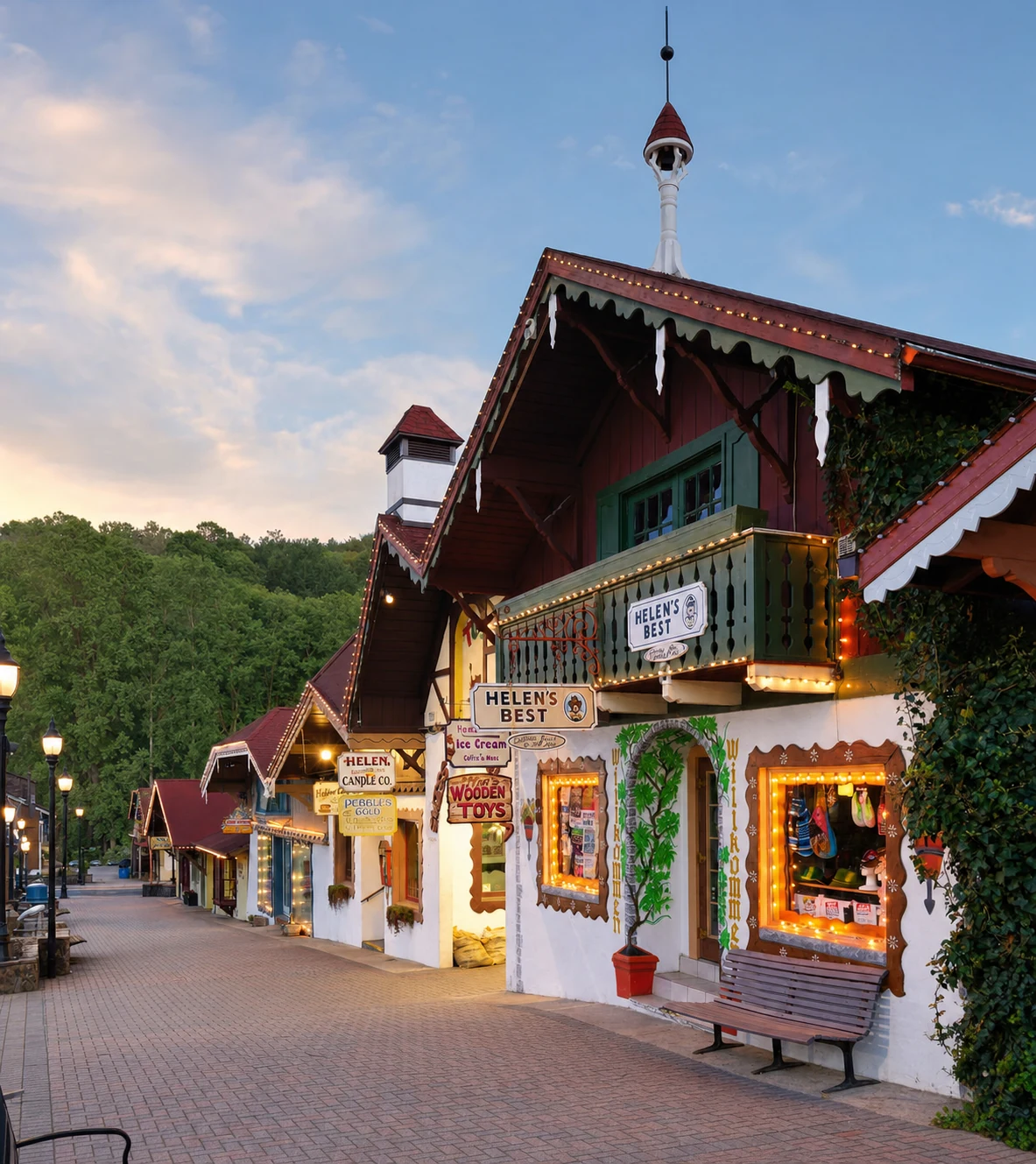
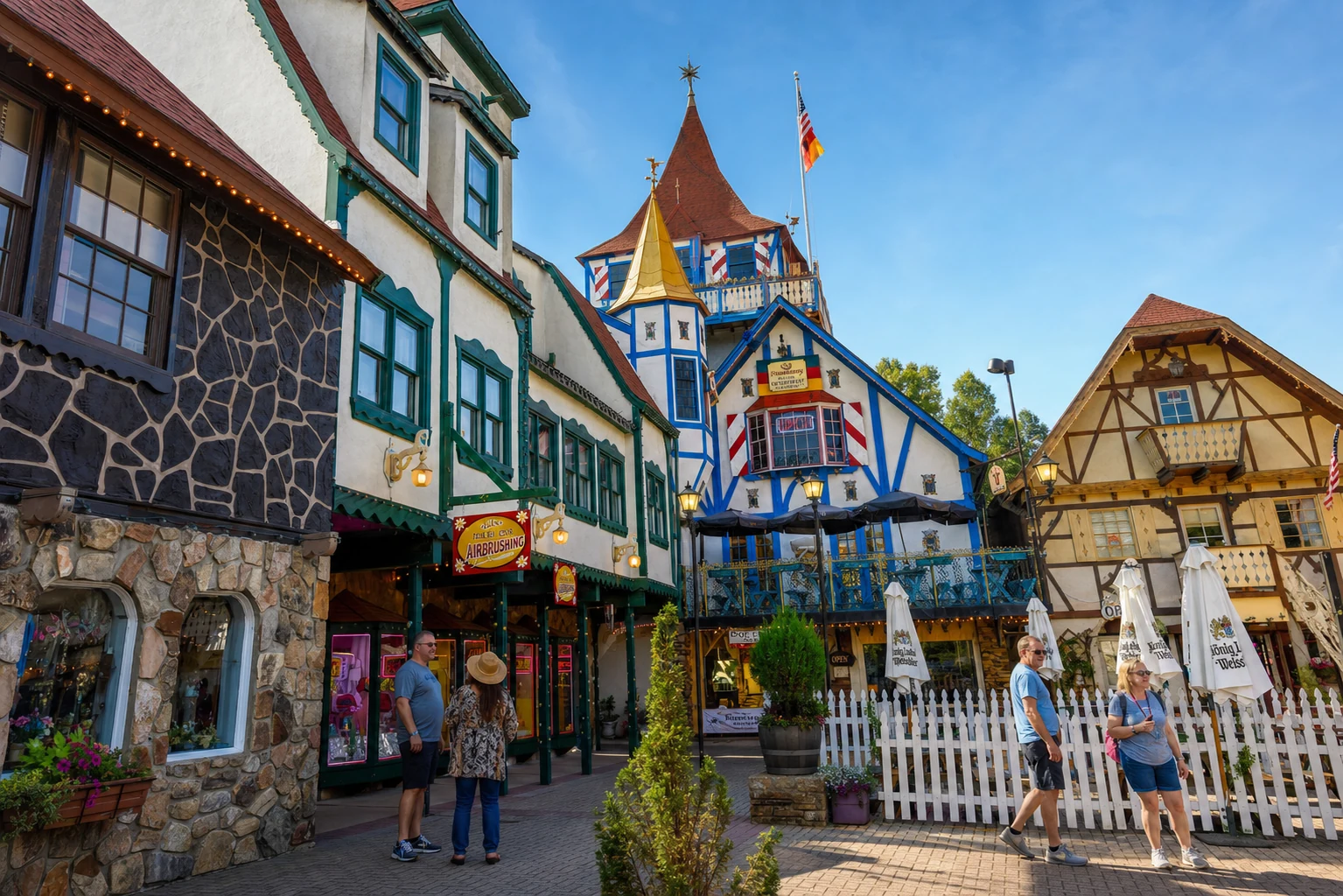
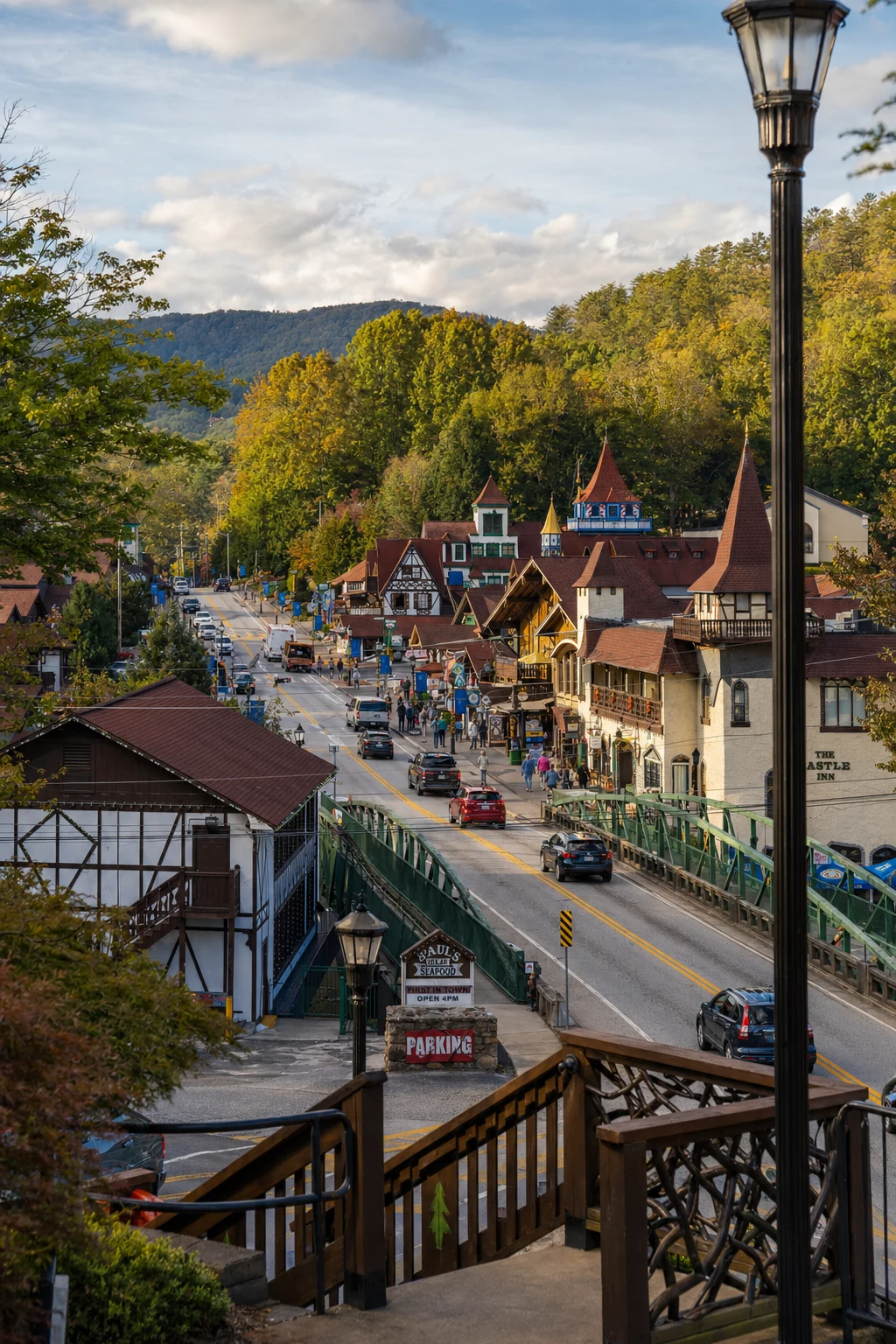
Helen was transformed from a small, quiet logging town in the 1960s into a Bavarian alpine village, featuring distinctive German-style architecture and serving as a filming location for Hallmark movies. This charming main street offers photogenic opportunities around every corner, with vibrant buildings reflected in the Chattahoochee River and numerous scenic bridges.
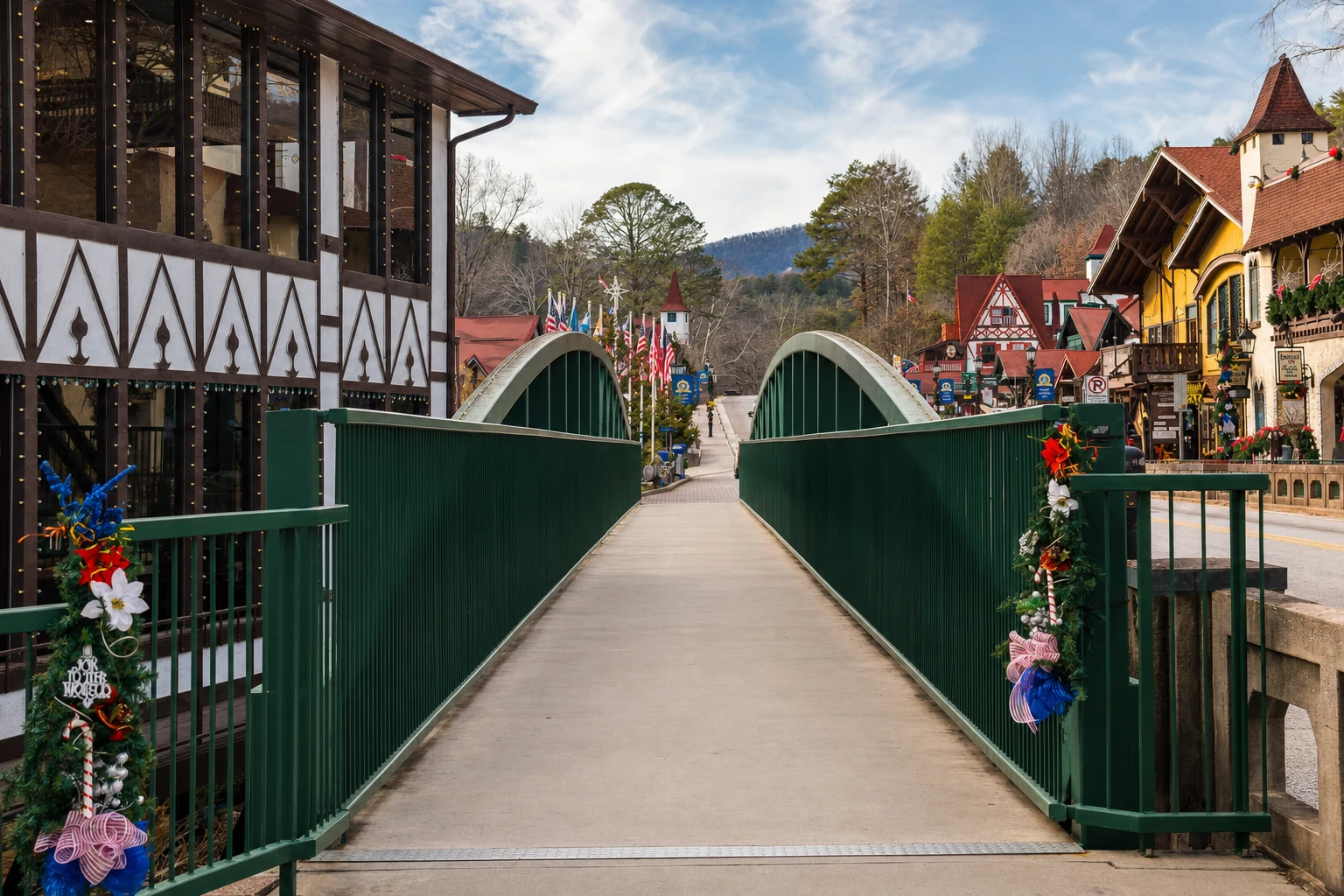
The heart of downtown Helen's photography scenes centers on Main Street, with its distinctive A-frame structures, colorful storefronts, and riverside locations. The central area features gift shops, restaurants like Cafe International, and the famous pedestrian bridge that frames the river beautifully. The Chattahoochee River Pedestrian Bridge is particularly photogenic, offering reflective water shots and architectural framing opportunities.
Best Times for Downtown Photography
Early morning light (around sunrise, typically 7:30 AM in winter) casts soft, warm tones across the Alpine buildings, minimizing harsh shadows that would otherwise flatten the architecture. Golden hour at sunset (around 5:30-6:00 PM in winter) bathes the town in amber light, ideal for capturing the architectural details and dramatic skies. Midday can produce harsh contrasts, but it's perfect for vibrant color saturation of the storefronts and detailed close-ups.
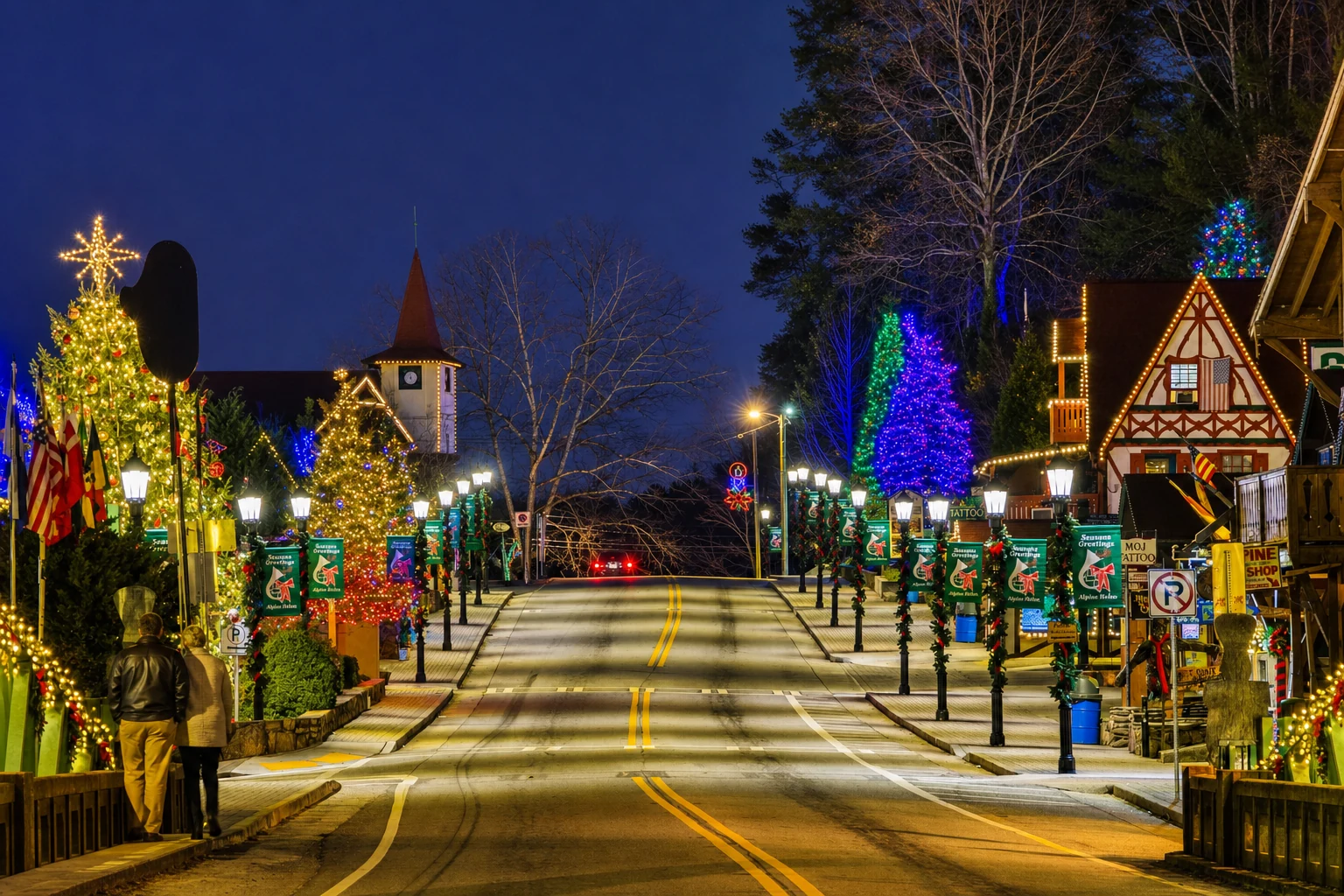
Insider tip: Photograph the downtown during Oktoberfest season (September through November) when decorative flags, banners, and seasonal arrangements enhance the Bavarian aesthetic. The town also features spectacular Christmas lighting displays in December, creating magical nighttime photography opportunities with reflections in the river and street-level architectural illumination.
Anna Ruby Falls: The Crown Jewel of Waterfall Photography
Location and Access
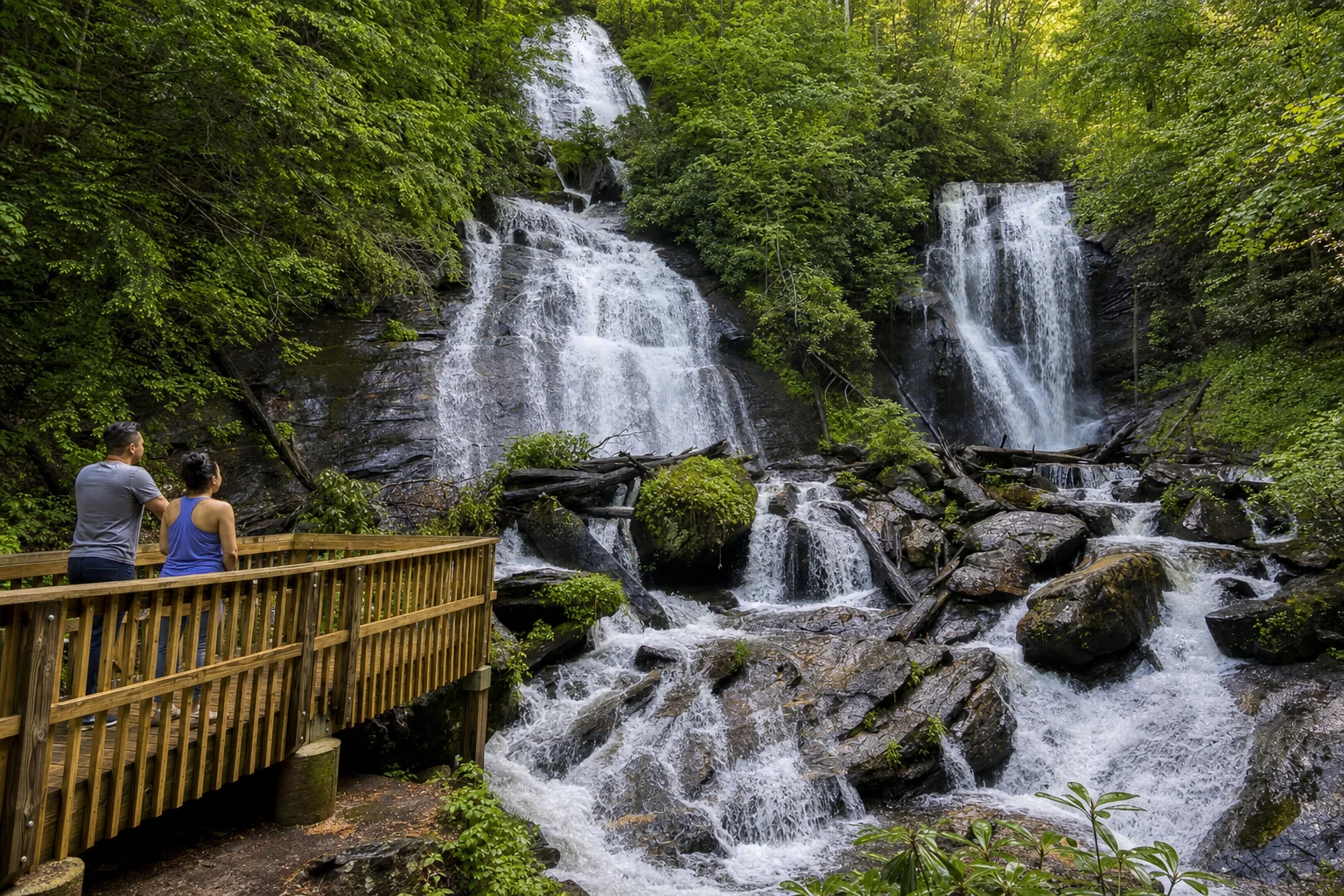
Anna Ruby Falls is located at 3455 Anna Ruby Falls Rd, Helen, GA, within the Chattahoochee National Forest, and features a rare pair of twin waterfalls with a 0.8-mile round-trip paved hiking trail. The Recreation Area includes a visitor center, gift shop, picnic areas, and an observation deck at the base of the falls. Entry fee is $5 per person, and the trail is fully paved, making it ADA-accessible and ideal for photographers of all mobility levels.
The paved trail follows Smith Creek the entire way, with constant exposure to flowing water, multiple small cascades, and forest views that provide visual interest throughout the hike. The sounds of trickling water and the serene forest atmosphere make this an exceptional experience for landscape and nature photographers.
Photography Composition and Techniques
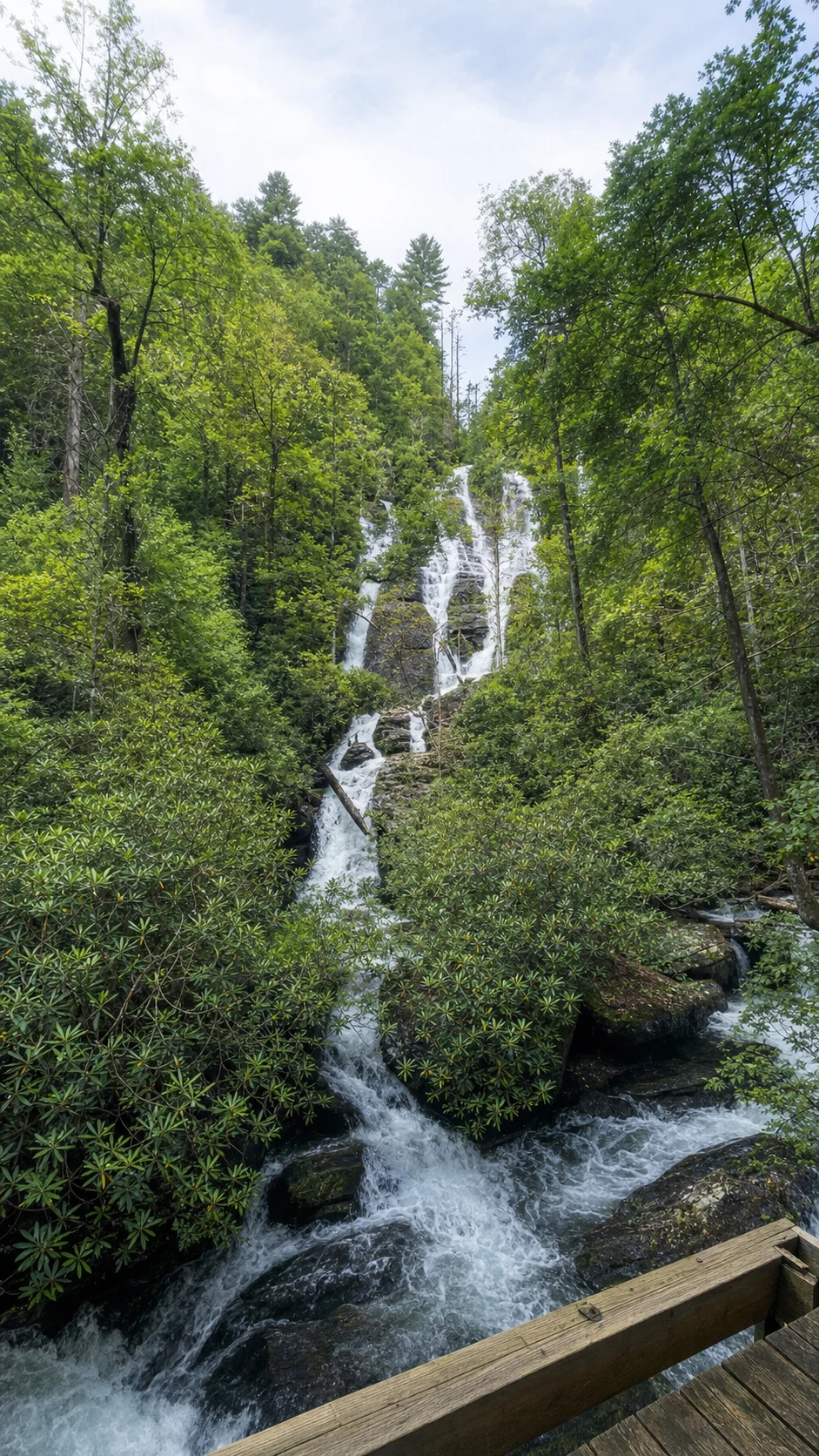
The double waterfall formation creates unique compositional opportunities. Curtis and York Creeks cascade over cliff faces to form two separate falls, with the sighting of wispy white tendrils of water splashing over mossy boulders. Position yourself at the observation deck to capture both falls in a single frame, or isolate individual cascades by moving along the viewing area.
Recommended camera settings for waterfall photography:
Aperture: f/8 to f/16 for maximum depth of field
Shutter speed: Without an ND filter, 1/10th to 1/4 second for slight silkiness; with a 6-stop ND filter, 4-16 seconds for dramatic silky water effects
ISO: 100-400 (lower in bright conditions, higher in shadowed forest areas)
Tripod: Essential for any shutter speeds below 1/60th of a second
Seasonal Considerations
Spring (March-May): Heavy rainfall swells the creeks, producing impressive water volume and dramatic flow. Mist and spray around the falls create atmospheric haze in photographs. Flowering mountain laurel and rhododendron add color to the forest canopy.
Summer (June-August): Water flow decreases, but the forest canopy provides natural diffusion for even lighting. Sunrise light is softer and warmer. Early morning visits (before 9 AM) offer fewer crowds and optimal light angles.
Fall (September-November): Late autumn transforms the surrounding forest with vibrant reds, oranges, and yellows reflected in the creek pools. The cooler temperatures and crisp air enhance color saturation and visibility.
Winter (December-February): Lower water flow creates cleaner details of rock formations. Frosted vegetation adds texture, and longer shadows at midday create dramatic contrast. The paved trail remains accessible even after light snow.
Raven Cliff Falls: Geological Drama and Detail Photography
Location and Trail Information
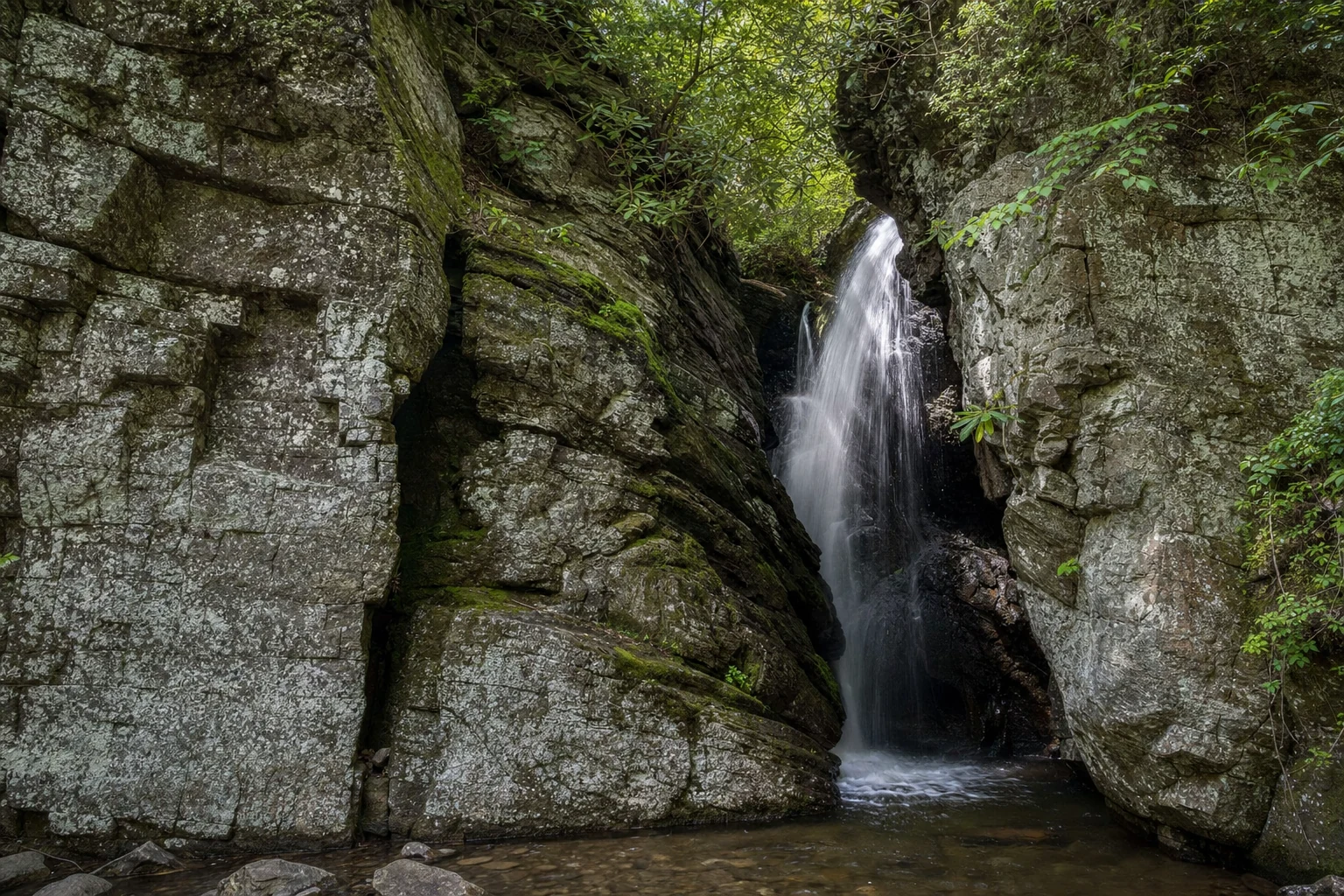
Raven Cliffs Falls is possibly the most unusual waterfall in North Georgia, with water flowing through a split in a solid rock outcropping, dropping approximately 60 feet, then flowing through the rock face and dropping 20 feet to a deep pool, followed by another 20-foot cascade to Dodd Creek. The trailhead is located at Raven Cliffs Trailhead on Forest Service Road 244, accessible by following GA State Route 75 North from Helen. The trail is approximately 2.5 miles one-way.
The hike is moderate difficulty (4.9 miles roundtrip), ascending 500 feet in elevation, and costs $5 per person (cash only).
Unique Photographic Features
The geological structure of Raven Cliff Falls creates distinctive photography opportunities unavailable at other waterfalls. The narrow crevice through which water flows creates natural framing, and the contrast between the massive granite cliff face and the delicate water stream offers compelling compositional elements. Moss-covered rocks at the base reflect emerald and forest-green hues.
Composition strategies:
Use the cliff face as a natural leading line drawing the viewer's eye to the waterfall
Frame the falls with overhanging vegetation and rocks to create depth
Photograph from below to emphasize the dramatic height and cliff scale
Isolate detail shots of moss patterns and water cascades using longer focal lengths
Best Hiking Times for Photography
The trail is rated year-round for hiking, but spring (when water volume is highest) and late fall (when forest colors peak) offer the most dramatic visual narratives. The tree-shaded canopy throughout the hike provides even lighting and reduces the need for strong ND filters even during midday hours.
Practical consideration: The 2.5-mile hike requires sturdy footwear and a moderate fitness level. Allow 3-4 hours including photography time. Bring extra batteries and memory cards - the humid forest environment and constant water exposure can drain batteries faster than expected.
Dukes Creek Falls: Multi-Level Waterfall Photography
Trail Access and Details
Located just south of the Raven Cliff trailhead, Dukes Creek Falls Trail provides views of Yonah Mountain and offers multiple waterfall viewing opportunities. The 2-mile round-trip trail is easier than Raven Cliff, making it accessible for photographers seeking dramatic waterfalls without extreme elevation gain.
The trail features easy-to-moderate difficulty with beautiful views of several falls and viewing platforms near the falls, plus shallow pools of water at the bottom that reflect the cascades.
Photography Advantages
Dukes Creek Falls actually comprises multiple cascades and drops, created where Dodd Creek and Davis Creek merge. This variety provides numerous composition options: individual waterfall isolations, multi-level stacked-falls compositions, and creek pool reflections.
The observation decks near the falls and maintained trail provide stable platforms for long-exposure work without requiring awkward positioning. Shallow pools at the base create mirror-like reflections during calm conditions - perfect for symmetrical, reflection-based compositions.
Related Imagery from Around Helen