The Professor and the Housekeeper
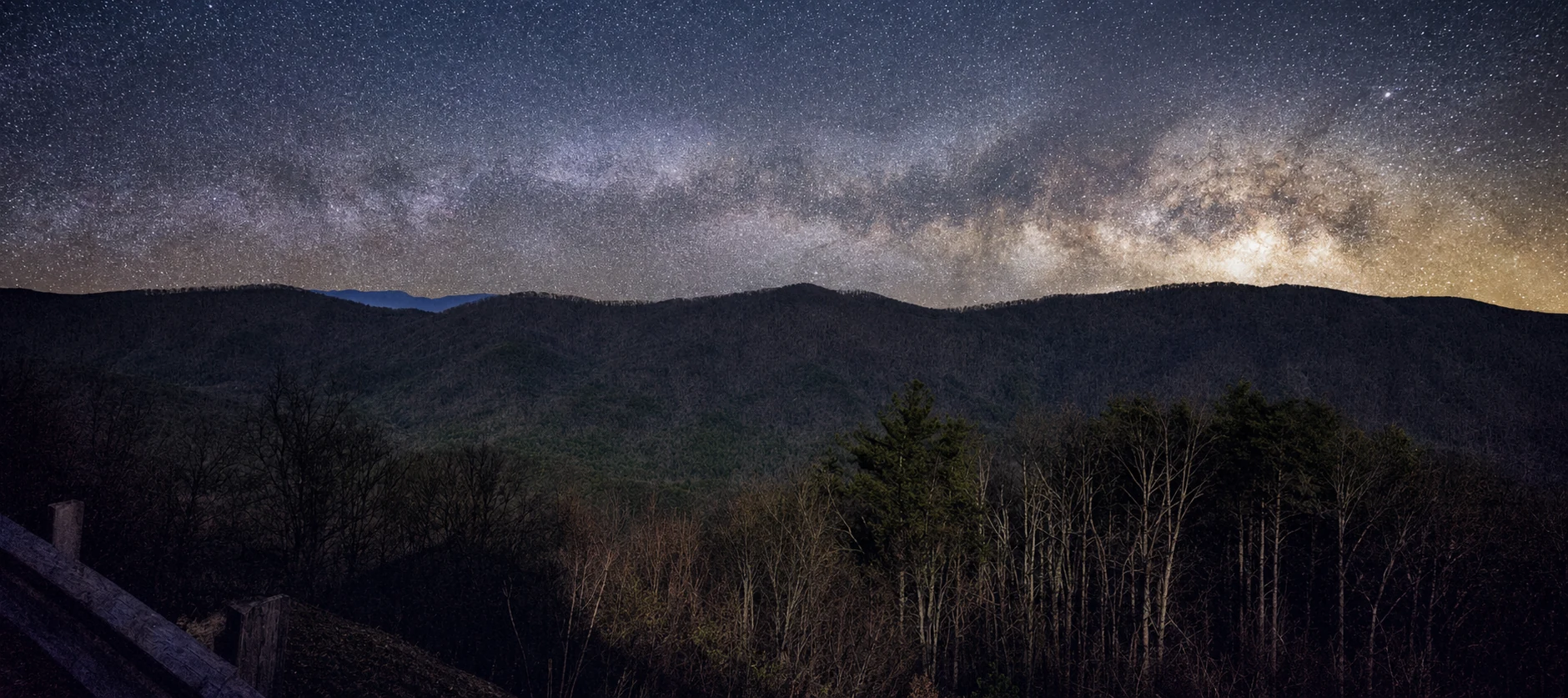
Dr. Charles Scudder was a respected pharmacology professor at Loyola University in Chicago. By all accounts, he was brilliant, eccentric, and increasingly disillusioned with modern life. In 1976, Scudder made a decision that stunned his colleagues: he quit his tenured position, left Chicago, and drove south with his companion Joey Odom to the most remote piece of land he could find in the North Georgia mountains. There, on 40 acres of forested hillside, the two men would build a new life entirely off the grid.
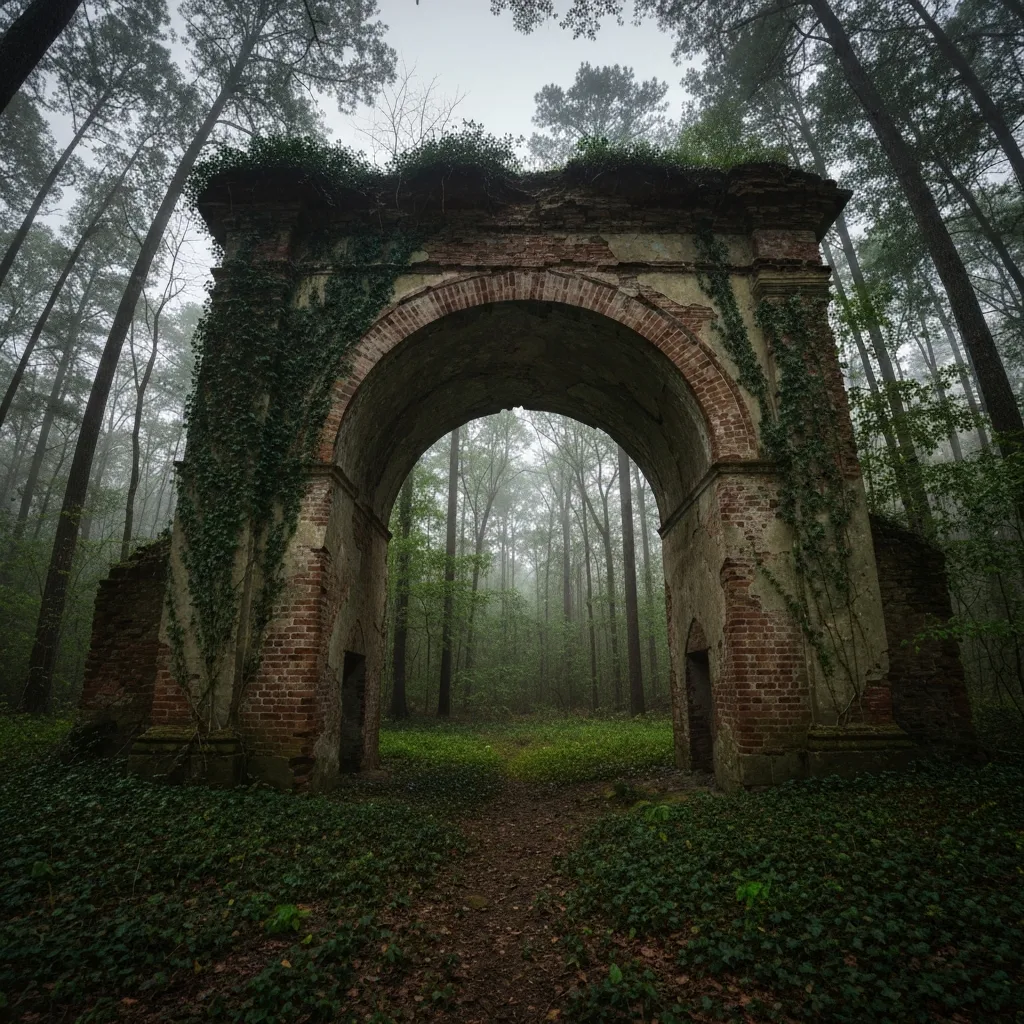
What Scudder built over the next several years was extraordinary by any measure. Working largely by hand, he and Odom constructed a three-story brick castle complete with a rounded turret, a chicken-wire moat designed to keep the woodland creatures at bay, stained glass windows that Scudder designed himself, and a rooftop garden where he grew herbs and vegetables. The bricks were hand-pressed on site from local clay. The building had no electricity and no running water -- by choice, not by necessity. Scudder was a man who could have afforded modern comforts; he deliberately rejected them. He cooked on a wood stove, read by candlelight, drew water from a well, and grew much of his own food. The castle sat deep in the Chattahoochee National Forest, accessible only by a rutted dirt road that wound through miles of dense woodland. He also made his own wine from wild muscadines and other fruits, a detail that would prove fatally significant.
Life at the Castle
For several years, Scudder and Odom lived in relative peace. Scudder was well-liked by the locals, who found him strange but generous. He freely shared his homemade wine and invited neighbors to visit the castle. He kept mastiffs as guard dogs, named Beelzebub and Arsinath, and filled the castle with books, artwork, and the trappings of a well-read mind. He was also openly interested in the occult, keeping a collection of esoteric texts and decorating the castle with symbols that made some visitors uneasy.
In rural Georgia in the late 1970s, a reclusive professor with occult interests and a male companion was bound to attract attention, not all of it friendly. Rumors circulated about devil worship, drug use, and dark rituals in the castle. Most of it was small-town gossip inflated by unfamiliarity, but the rumors created a dangerous mythology around the property that would attract exactly the wrong kind of visitor.
The Murders of December 1982
On December 12, 1982, two locals named Kenneth Avery Brock and Samuel Tony West drove up to Corpsewood Manor. They had visited before and knew about Scudder's homemade wine and the cash he kept in the castle. Brock, 17 at the time, and West, 30, came armed with a rifle and a plan to rob the place.
What happened next was horrific. After spending time socializing with Scudder and Odom, Brock and West turned violent. They shot both men, along with the mastiffs. Joey Odom was killed first. Dr. Scudder, despite being shot multiple times, reportedly looked at his attackers and said, "I asked for this." He died on the floor of the castle he had built with his own hands. The killers ransacked the property, taking cash, a television, and some of Scudder's belongings, and fled.
"I asked for this." Those were reportedly the last words of Dr. Charles Scudder, spoken to his killers as he lay dying in the castle he had built by hand in the Georgia woods.
Both killers were caught quickly. Brock confessed within days. The investigation and trial became a media sensation, fueled by the Satanic Panic that was sweeping America in the early 1980s. This was the era when day care centers were being accused of ritual abuse, when heavy metal bands were being hauled before Congress, and when any hint of occult interest was treated as evidence of genuine evil. Prosecutors leaned heavily into this cultural moment, painting Scudder as a devil worshiper and Corpsewood as a house of satanic rituals. The media coverage was relentless and lurid, focusing on the occult books, the gargoyle decorations, and the pentagram imagery found in the castle.
The truth was simpler and sadder. Two men who wanted to live quietly in the woods, away from a society they found exhausting, were murdered by petty thieves who wanted their money and their wine. Kenneth Avery Brock was sentenced to life in prison plus twenty years. Samuel Tony West received three life sentences. The Satanic Panic narrative that dominated the trial has since been widely discredited, and the Corpsewood case is now often cited as an example of how cultural hysteria can distort the justice system and obscure straightforward criminal motives.
The Brick Curse
After the murders, Corpsewood Manor was abandoned to the elements. Over the decades, it became a destination for thrill-seekers, paranormal investigators, and vandals. The walls were tagged with graffiti, the stained glass was smashed, and pieces of the castle were carried off as souvenirs. This is where the legend of the "brick curse" was born.
According to the widely repeated local legend, anyone who takes a brick from Corpsewood Manor will suffer terrible luck: car accidents, illness, relationship breakdowns, financial ruin. The stories of cursed bricks being mailed back to the property, left at nearby churches, or abandoned on the side of the road by terrified souvenir-takers are legion. Whether Dr. Scudder placed an actual curse on his creation or whether the power of suggestion and a guilty conscience do the work, the result is the same: people return those bricks.
Visiting the Ruins
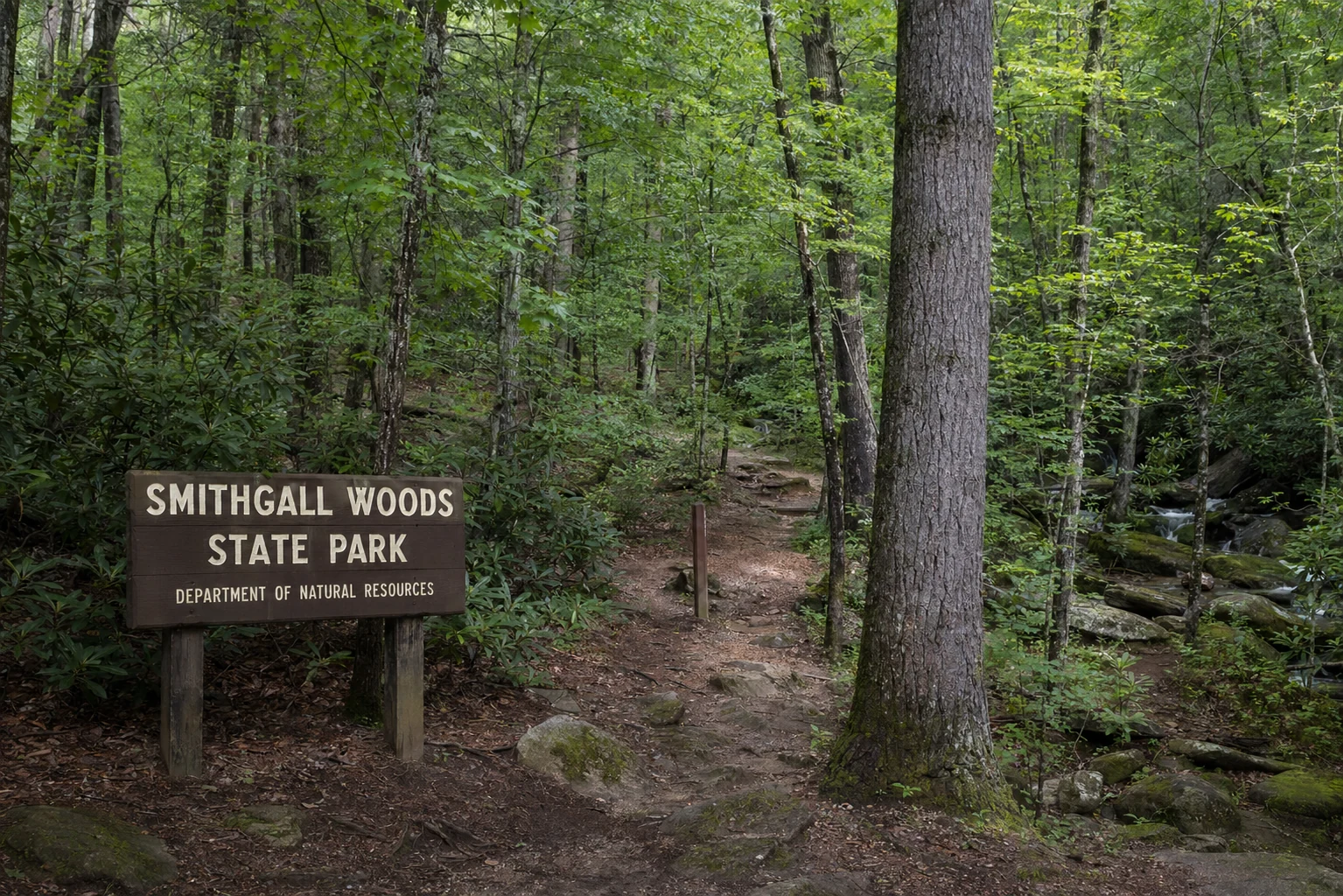
Corpsewood Manor is located on private land in Chattooga County, and visiting requires permission from the landowner. The hike to the ruins is about a mile through dense forest on an unmarked trail. The castle walls still stand to varying heights, and the brick turret, though damaged, is recognizable. The chimney, the foundation, and sections of the moat are visible. It is an eerie place even in daylight, and the graffiti and candle remnants left by previous visitors add to the unsettling atmosphere.
If you go, go with respect. Whatever you think of Dr. Scudder's beliefs or lifestyle, this is the site of a double murder and a place where two men and their dogs died violently. Take nothing with you when you leave except photographs and the strange, sad feeling that lingers in the woods long after you have driven away. And if you are tempted to take a brick as a souvenir, remember the stories. Then leave the brick where it is.
Chattooga County sits about two hours west of Helen, making this a substantial day trip from the alpine village. If you are drawn to North Georgia's darker histories, pair a Corpsewood visit with Helen's own haunted hospital — the Two Tire Tavern building that served as a hospital morgue during the lumber boom and carries its own unexplained reputation — or read about the ghost town of Auraria, another piece of the region's forgotten past. For those who prefer their mysteries Cold War-era rather than Victorian, the atomic ruins of Dawson Forest offer a different breed of eeriness hiding in plain sight in these mountains.
Local writers sharing the hidden stories and trails of North Georgia's mountain country.
Continue Exploring
More stories from North Georgia
Related Stories
More dark history and haunted legends from the mountains