A Town Called Burton
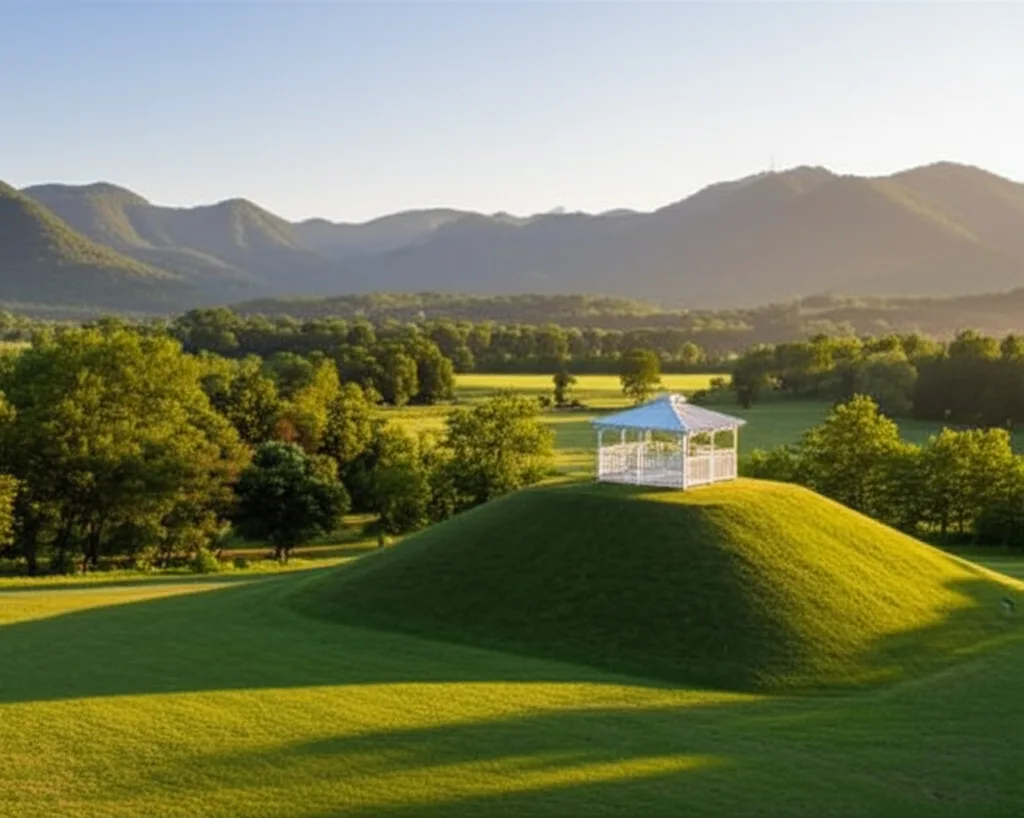
Before the lake, there was a valley. And in that valley, there was a town. Burton, Georgia, was a small but thriving mountain community in the early 1900s, sitting along the Tallulah River in what is now the northeastern corner of the state. It had a post office, a general store, a school, several churches, and the quiet, unhurried rhythm of a place where families had lived for generations. The cemetery held the bones of pioneers who had settled the valley before the Civil War.
Then Georgia Railway and Power Company came calling. The company, which would later become Georgia Power, had identified the Tallulah River basin as an ideal location for a series of hydroelectric dams. Lake Burton would be the first and largest of what would eventually become a chain of six lakes stretching down the river valley. The dam would generate electricity for a growing Atlanta, and progress, it seemed, could not be stopped.
Dr. Murray's Last Stand
Not everyone went quietly. The most famous holdout was Dr. Alonzo Murray, the town physician who had delivered most of Burton's children and tended its sick for decades. When the power company began buying up land and offering relocation payments, Dr. Murray refused. He argued that no amount of money could replace a community, that the graves of his patients and friends deserved to remain undisturbed, and that the power company had no moral right to drown a town for profit.
"You can dam the river and flood the valley, but you cannot drown a community's memory. The people of Burton will remember long after the engineers have forgotten."
Dr. Murray's resistance became a rallying point, but it was ultimately futile. Georgia Railway and Power Company had eminent domain on its side, and by 1917, the last families were being relocated. Homes were dismantled or abandoned. The church was stripped of its furnishings. The cemetery was, according to official records, relocated to higher ground, though persistent local rumors suggest not all the graves were moved. The dam was completed in 1919, and the waters of the Tallulah River began to rise.
The Floating Steeple
Here is where history dissolves into legend. According to the most popular version of the story, the church steeple was not removed before the flooding, and as the waters rose, the wooden steeple broke free from the submerged building and floated to the surface. For days or weeks, depending on who tells the tale, the white steeple drifted across the new lake like a ghost ship, a visible rebuke to the progress that had swallowed the town. Some versions say it eventually waterlogged and sank; others claim it washed ashore and was burned by embarrassed company workers who did not want the symbol of their destruction floating around for the newspapers to photograph.
Whether the floating steeple story is literally true is debatable. What is not debatable is that it has become one of the most enduring pieces of folklore in North Georgia. The image of a church steeple bobbing on the water above a drowned town is so potent, so perfectly symbolic, that it hardly matters whether it happened exactly as described. It captures something true about the cost of progress and the stubbornness of memory.
The Phantom Bells
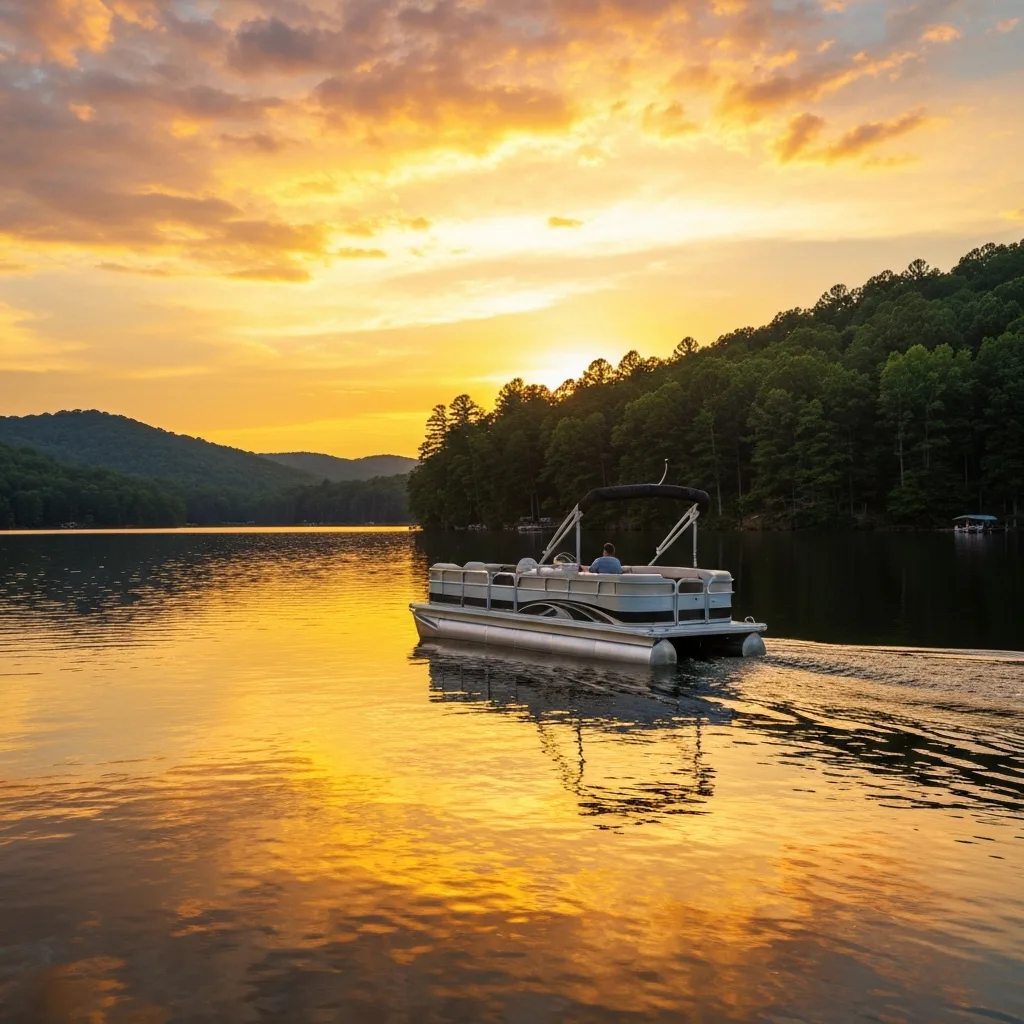
The legend of the phantom bells is more recent, probably originating in the mid-twentieth century. Locals and lake visitors report hearing faint bell-like sounds rising from the water, particularly on quiet mornings when atmospheric conditions create a natural amphitheater over the lake's surface. Skeptics attribute this to wind interacting with dock structures, boat rigging, or the natural acoustic properties of the mountain-ringed lake basin. Believers prefer a more poetic explanation: the church bell of Burton, still tolling beneath the water, calling the drowned town's congregation to a service that will never end.
Visiting Lake Burton Today
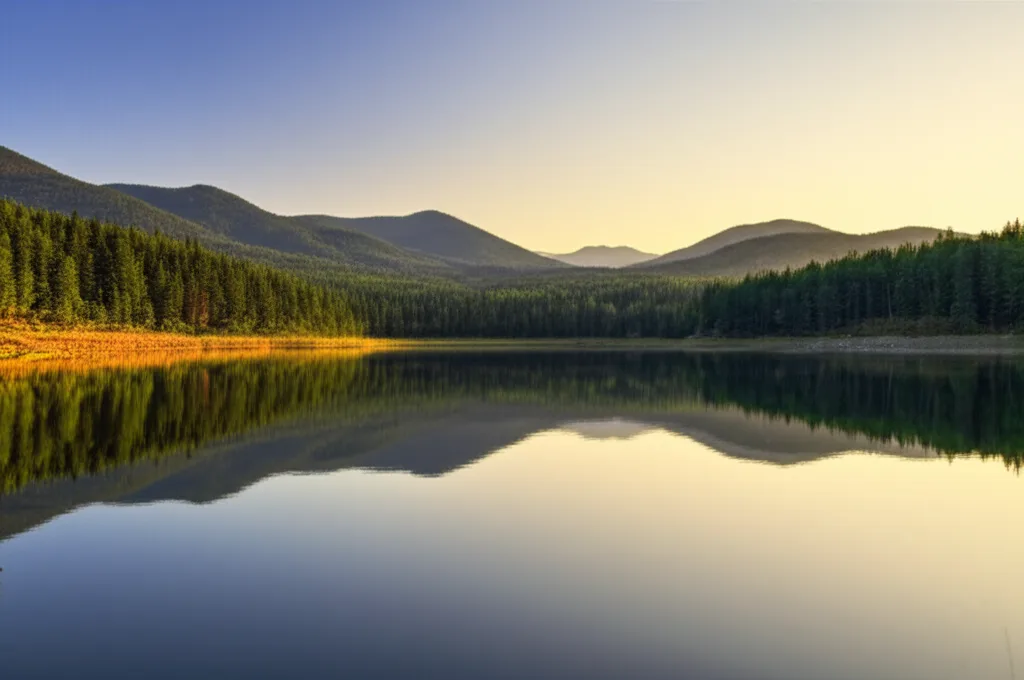
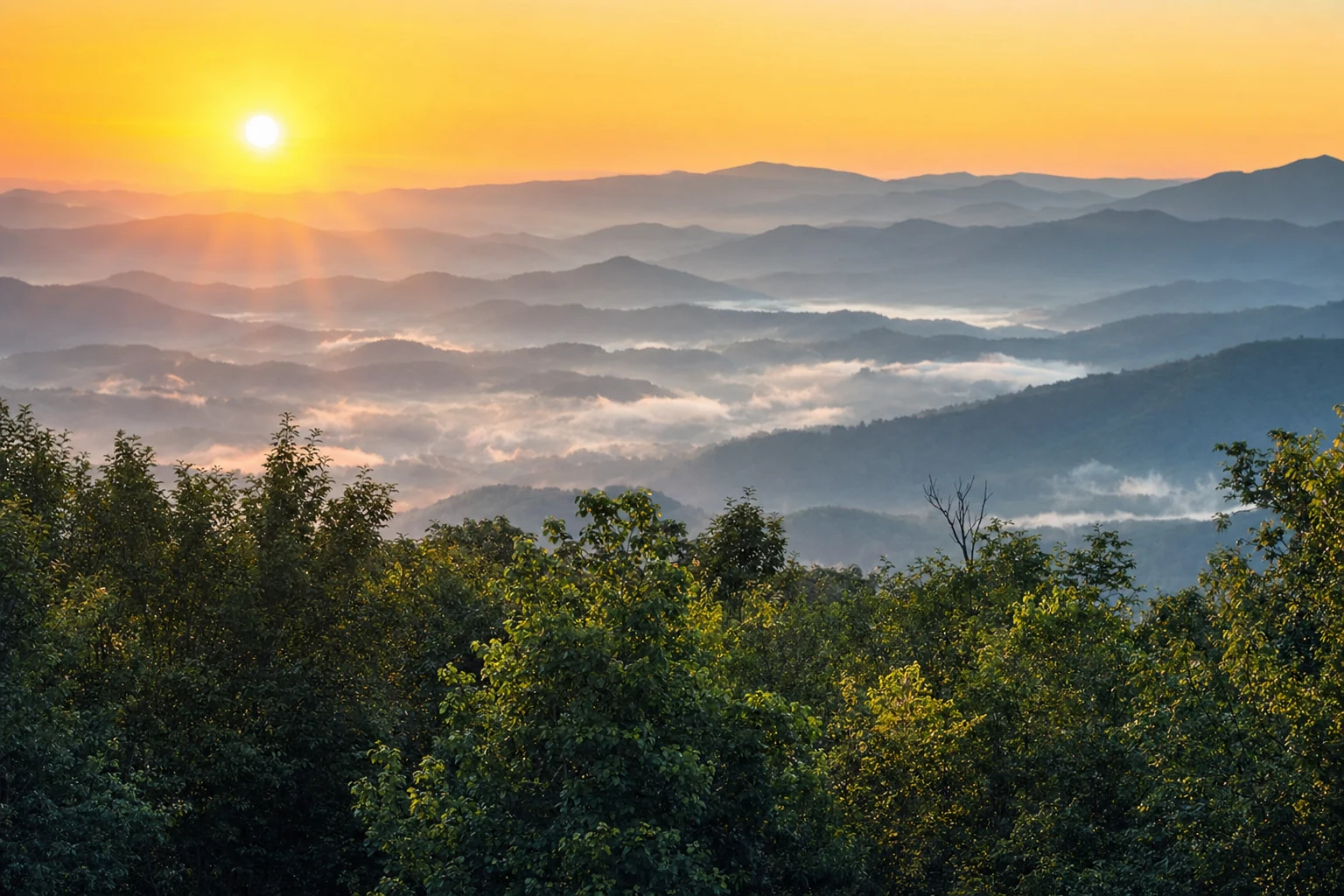
Lake Burton is about 45 minutes north of Helen and remains one of the most beautiful and least developed of the Georgia Power lakes. Its 2,775 acres of deep, clear water are surrounded by forested mountains, and the shoreline is far less crowded with marinas and condominiums than some of its downstream neighbors. It is an excellent destination for kayaking, fishing, and simply sitting on the shore and contemplating the strange currents of history that flow beneath the surface.
There are no markers or monuments to the town of Burton. The lake itself is the monument: a vast, silent body of water that hides the foundations of a community erased in the name of electricity. But if you visit on a still morning and close your eyes, you might just hear something that sounds like bells. And even if it is only the wind, the story it tells is worth remembering.
Getting to Lake Burton
- From Helen: Approximately 45 minutes north via GA-356 and Burton Dam Road.
- Access: Moccasin Creek State Park on the lake's north shore offers boat ramps, camping, and shoreline access.
- Best Time: Early autumn mornings for the misty atmosphere that fuels the legend.
Exploring the North Georgia Lakes
Lake Burton is just one link in a chain of six Georgia Power lakes that staircase down the Tallulah River valley. Together, Lakes Burton, Seed, Rabun, Tallulah Falls, Tugalo, and Yonah create one of the most scenic corridors of freshwater recreation in the southern Appalachians. But the lake system that holds the most immediate appeal for many visitors is Lake Chatuge, a TVA reservoir straddling the Georgia-North Carolina border near Hiawassee, about 45 minutes northwest of Helen.
Lake Chatuge was created in 1942 when the Tennessee Valley Authority dammed the Hiwassee River, flooding another mountain valley to generate hydroelectric power. At 7,050 acres with 132 miles of shoreline, Chatuge is substantially larger than Lake Burton and sits at an elevation of 1,926 feet, making it one of the highest major lakes in Georgia. The mountain backdrop is extraordinary: on clear days, the peaks of the Nantahala National Forest in North Carolina frame the northern horizon like a painting.
Visiting Lake Chatuge
- From Helen: About 45 minutes northwest via GA-75 and US-76. The town of Hiawassee sits on the lake's southern shore.
- Boat Rentals: Boundary Waters Marina and several smaller outfitters offer pontoon boats, kayaks, and fishing boat rentals by the hour or day.
- Fishing: Excellent largemouth and smallmouth bass, walleye, and crappie. Note: the lake crosses into North Carolina, and a valid Georgia fishing license covers the Georgia portion. A reciprocal agreement exists for the border zone, but anglers should check current regulations before crossing state lines.
- Public Beach: Towns County Beach and Recreation Park on the Hiawassee shore offers swimming, picnic areas, and a boat ramp.
- Seasonal Events: The Georgia Mountain Fairgrounds on the lake host the Georgia Mountain Fair (July) and the Fall Festival (October), featuring live music at Anderson Music Hall, crafts, and pioneer demonstrations.
- Nearby: Brasstown Bald, Georgia's highest point at 4,784 feet, is just 30 minutes south of Hiawassee and makes a natural pairing with a lake day.
Whether you are drawn to the ghostly legend of the Burton steeple, the bass fishing on Lake Chatuge, or the quieter pleasures of a kayak morning on any of these mountain waters, the lakes of North Georgia offer a completely different pace from the alpine bustle of downtown Helen. For more outdoor adventures from Helen, explore our day trips guide, visit Tallulah Gorge where the same river that drowned Burton carved a 1,000-foot canyon, or discover Blairsville and its surrounding mountain country.
Local writers sharing the hidden stories and trails of North Georgia's mountain country.
Related Stories
More history and legends from the North Georgia mountains