The Chattooga Wild and Scenic River
Fifty-seven miles of protected whitewater on the Georgia-South Carolina line, about 45 minutes from Helen
What to Know Before You Go
The Chattooga River runs 57 miles along the Georgia-South Carolina border, and it is one of the wildest, most protected waterways left in the Southeast. Congress gave it Wild and Scenic River status in 1974, which means no dams, no development on its banks, and strict rules about who can run commercial trips. Three licensed outfitters handle all the guided rafting, and they know this river inside out.
If you are visiting Helen and want a serious outdoor adventure, the Chattooga is about 45 minutes away by car. You can paddle Class IV rapids, float through calm pools, fish for trout, or just hike along the banks. Below you will find everything you need to know about the different sections, the outfitters, the rules, and what to expect on the water.
How the River Got Protected
The Chattooga starts in the mountains of western North Carolina, gathering water from springs and rain before dropping nearly half a mile in elevation over 57 miles to Lake Tugaloo. Cherokee tribes used it as a boundary and trade route, and the river held spiritual meaning for them.
In 1968, the Wild and Scenic Rivers Act named it a "study river," sparking a decade of advocacy amid threats like proposed hydroelectric dams in the 1930s and 1940s. On May 10, 1974, Congress designated its 57 miles - 40 as "wild," 2.5 as "scenic," and 15 as "recreational" - making it Georgia and South Carolina's only such river, managed by the U.S. Forest Service across Nantahala, Chattahoochee-Oconee, and Sumter National Forests.
That protection came after years of lobbying. In 1972, activists including Ervin Jackson organized raft trips to show lawmakers what the river was worth. The 1972 film Deliverance, partly filmed here with Nantahala Outdoor Center (NOC) stunt paddlers, made the Chattooga famous overnight. Thankfully, the attention helped the conservation effort rather than hurting it.
The Four Sections of the River
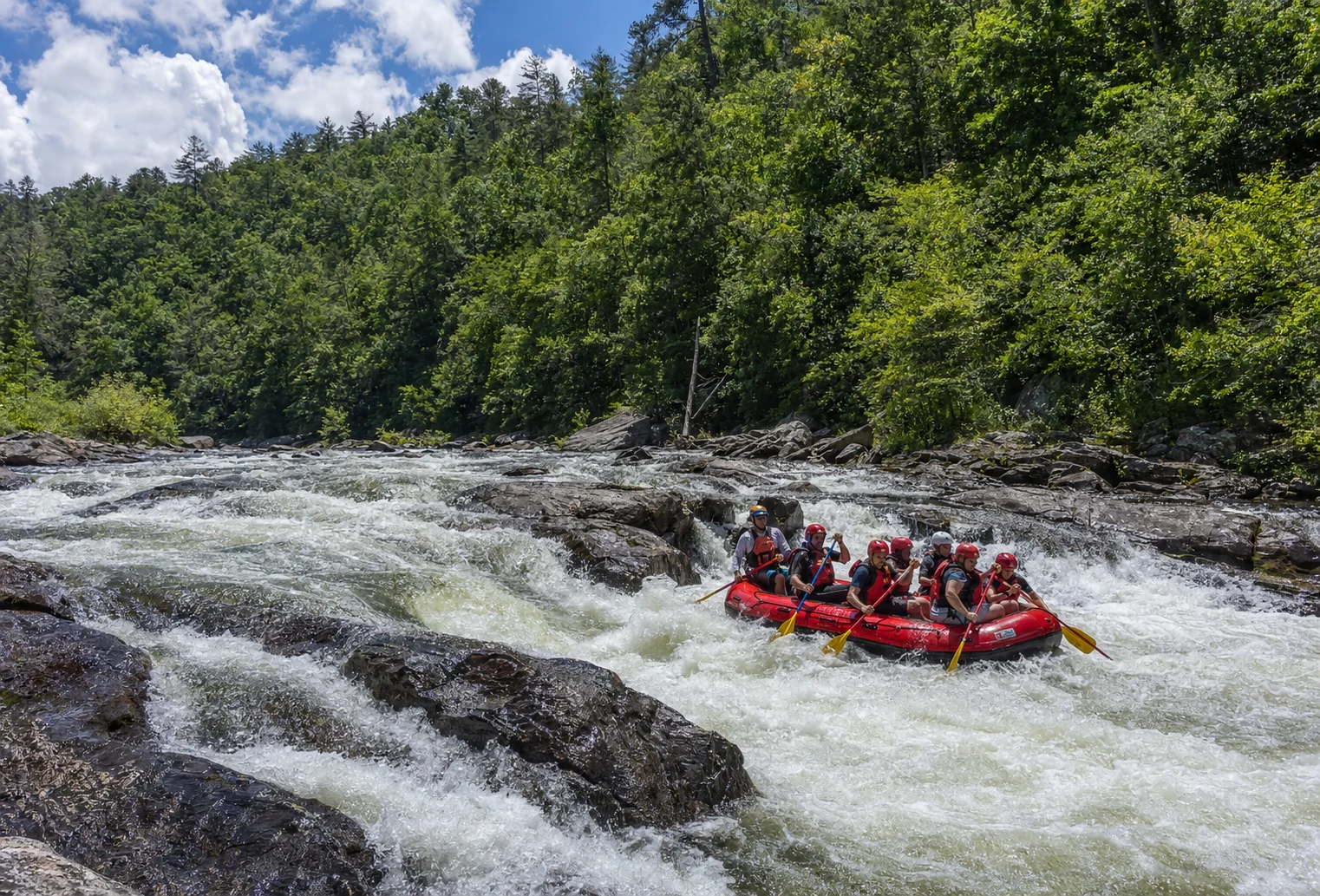
Divided into four main sections, the Chattooga escalates from gentle floats to extreme whitewater, with drops averaging 49 feet per mile.
Section I (Upper Chattooga): From North Carolina headwaters to Burrell's Ford Bridge, this remote stretch suits advanced kayakers in spring highs; boating allowed December 1–April 30 at 350+ CFS on the Burrell's Ford gauge.
Section II: Burrell's Ford to GA/SC Hwy 28; hike-in access for experts amid Ellicott Rock Wilderness.
Section III (Mild & Scenic): Hwy 28 to Earl's Ford Road (about 14 miles); Class I-III rapids build to optional Class IV Bull Sluice, ideal for beginners, families (ages 8+), with swimming holes. Half-day "Mini" versions hit the highlights.
Section IV (Premier Whitewater): Earl's Ford to Hwy 76 (8 miles); steepest commercially run section with 75-foot drops in a quarter-mile gorge, featuring Seven Foot Falls, Raven's Chute, and infamous Five Falls (five Class IV-V rapids). Ages 12+, strenuous for experienced paddlers.
Private trips require self-registration permits (free at put-ins); tubing OK between Earl's Ford and Hwy 28.
Rules and Safety on the Water
Forest Service oversight ensures the Chattooga's wildness: Free self-issue permits mandatory for all floaters - grab at info boards, keep yellow copy dry. No tubing below Earl's Ford or north of Hwy 28; group sizes limited on upper sections.
Fishing rules vary: SC side needs license; delayed harvest sections (e.g., Hwy 28 to Reed Creek) catch-and-release Nov 1–May 14 with single-hook artificial lures. Upper boating seasonal/flow-based to protect wilderness.
Safety first - the river claims lives yearly, even experts. Check USGS gauges (Burrell's Ford, Hwy 76); no dams mean flows spike with rain. Commercial outfitters only for Sections III/IV: Three licensed - NOC, Wildwater, Southeastern Expeditions.
The Three Licensed Outfitters
Only three outfitters operate commercially, ensuring quality and limits on crowds.
Wildwater Rafting (Chattooga Adventure Center)
Address: 1571 Hwy 28, Mountain Rest, SC 29664 (near Long Creek); ~127 miles/2.5 hrs from Atlanta.
Phone: (864) 647-5051
Website: wildwaterrafting.com
Hours/Season: March–late October, daily; check-ins 30 mins early.
Pricing (per person, excl. tax/fees): Section III $159.95 (full day), Mini $109.95 (half), Section IV $179.95, Overnighter $469.85.
Extras: Ziplines, cabins, showers; hike-in/out required, assist carrying gear.
Nantahala Outdoor Center (NOC) Chattooga Outpost
Address: Near Clayton, GA (13077 Hwy 76 E, Mountain Rest, SC area); shuttle from outpost.
Phone: (864) 647-9609 or noc.com
Website: noc.com/chattooga-river-sc
Hours/Season: March–October, 5-6 hrs trips.
Pricing: Section III ~$142+ (ages 8+), Section IV $155 (ages 12+), incl. lunch.
Extras: Riverside lunch at Long Creek Falls, pro guides since 1972.
Southeastern Expeditions
Limited details online; contact via visitoconeesc.com or (864) 647-2141; similar Section III/IV trips.
Book ahead - strict daily limits keep it uncrowded. Private gear OK with shuttle services like Chattooga Whitewater Outfitters (14239 Long Creek Hwy, Longcreek, SC; 864-647-9083; duckies $37).
What It's Like Out There
Paddling the Chattooga feels different from other rivers. The lack of development means you are in real wilderness -- crystal-clear pools deep enough for cliff jumps, tight gorges lined with rhododendron, and the constant roar of whitewater. Otters are common, and you will occasionally spot eagles overhead. The guides have stories about every rapid, and they genuinely love this river.
Insider tips:
Swim Stops: Punch Bowl for jumps; Hidden Falls off-river gem.
Wildlife: Spot otters, bears; pack bear spray.
First-Timer Hack: Opt Section III Mini for Bull Sluice thrill without full commitment.
Pro Move: Spring for overnighters - steak dinners, stargazing. Wear quick-dry layers, water shoes; guides share Cherokee lore.
The Best Time to Go
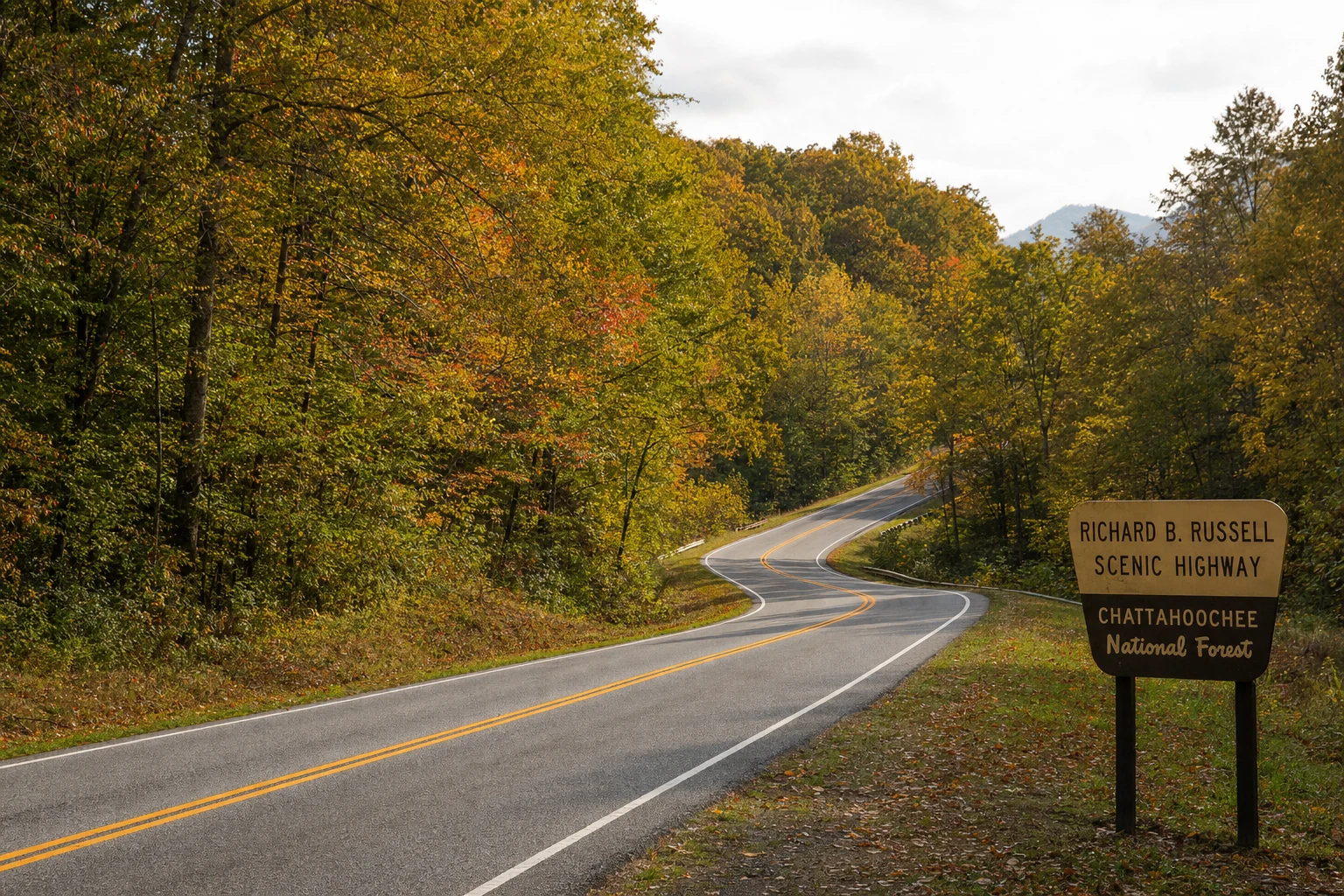
Because the Chattooga is free-flowing with no dams, water levels change with the weather. Spring and early summer (April through June) bring the highest water and biggest waves, plus good fly fishing hatches and mountain laurel in bloom along the banks. Summer warms the water enough for swimming stops between rapids. Fall brings lower water levels and beautiful foliage -- great for scenic floats.
Peak Rafting: March–October; spring highs (March–May) for thrill, late summer calmer.
Fishing: Spring/fall prime; winter delayed harvest stocked trout.
Avoid: Low summer droughts; post-rain floods (check gauges).
Helen Tie-In: Visit fall for foliage syncing with Oktoberfest.
From Helen: 30–45 mins via Hwy 75 S to Clayton, then Hwy 76 E.
Related Imagery from Around Helen