The Whiskey Business
Moonshine production in the North Georgia mountains was not a hobby. It was an industry. During Prohibition (1920-1933) and for decades afterward, hundreds of illegal stills operated in the remote hollows of the southern Appalachians, producing corn whiskey that was shipped to markets across the Southeast. The mountains were ideal for the business: abundant cold water, isolation from law enforcement, and a culture that viewed federal revenue agents as unwelcome intruders in a way of life that predated the United States itself.
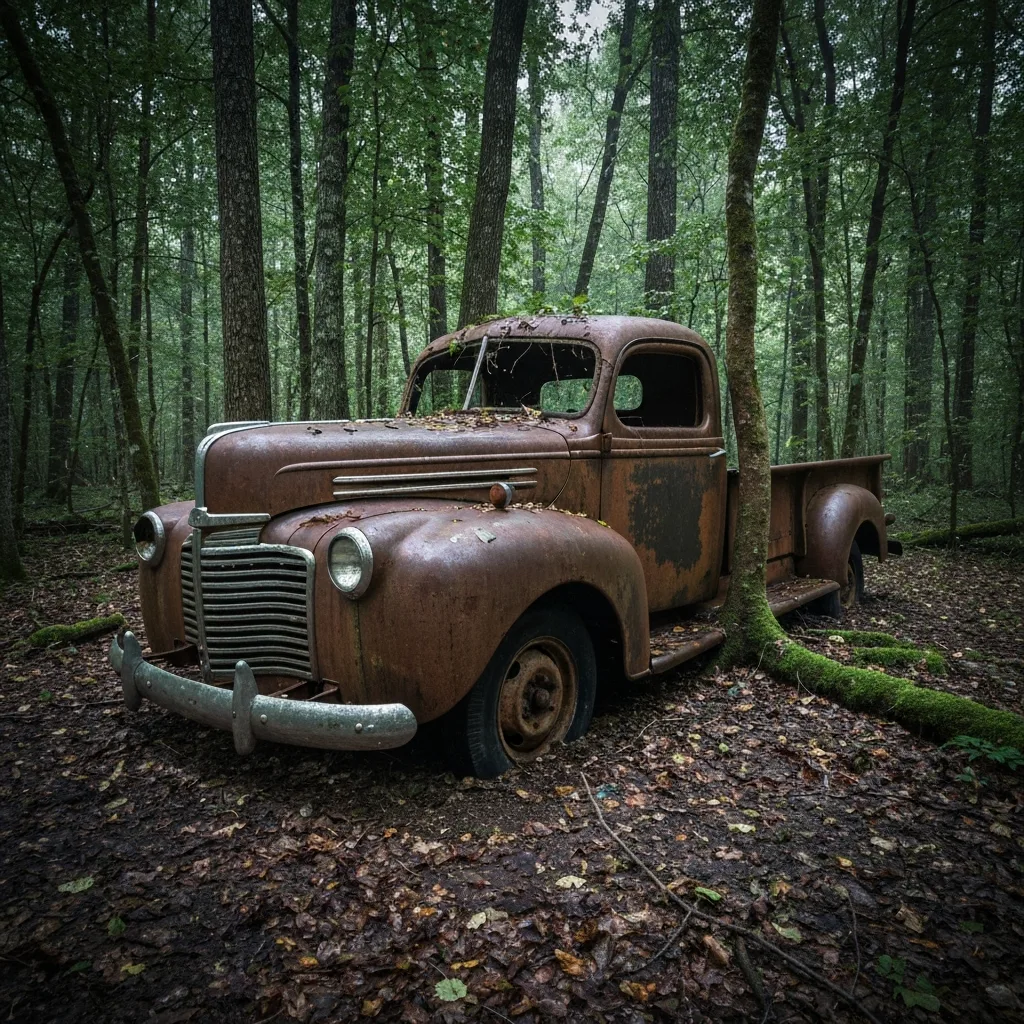
The whiskey had to get from the stills to the customers, and that required drivers. Young men from Dawsonville, Dahlonega, and the surrounding mountain communities modified their cars to carry heavy loads of liquor while outrunning the revenue agents and local sheriffs who tried to intercept them. They stripped out back seats, reinforced suspensions, and souped up engines. They drove at night with headlights off, memorizing every curve and pothole on roads that were barely more than trails. And they got very, very good at driving fast.
Lloyd Seay and Roy Hall
Two names dominate the early history of stock car racing in North Georgia: Lloyd Seay and Roy Hall. Both were from Dawsonville. Both were moonshine runners. Both became legendary race car drivers. And both met tragic ends.
Lloyd Seay was, by most accounts, the most naturally gifted driver of the early stock car era. He won his first major race at Lakewood Speedway in Atlanta in 1938 and went on to dominate the primitive dirt-track circuit that preceded organized NASCAR. On September 1, 1941, Seay won the main event at Lakewood, a victory that should have launched him into the national spotlight. The next day, he was shot and killed by his cousin in a dispute over moonshine sugar. He was 21 years old.
"Lloyd Seay could drive like nobody else. He ran liquor all night and raced all day, and you could not tell which was more dangerous. He would be in the Hall of Fame today if his cousin had not shot him over a bag of sugar."
Roy Hall, Seay's cousin and fellow Dawsonville native, was nearly as talented and considerably more colorful. Hall was a moonshine runner, a stock car champion, and a convicted felon, sometimes all in the same week. He won at Lakewood and other tracks throughout the South before his racing career was cut short by a federal conviction for moonshine running. Hall served time in a federal penitentiary and never raced at the top level again. His life was the template for the outlaw-driver characters who would populate stock car racing's mythology for decades.
Blind Tigers and Pool Room Sirens
The "Blind Tiger" speakeasies of North Georgia were where much of the moonshine was consumed. These unlicensed drinking establishments, called blind tigers because customers supposedly "paid to see a blind tiger" and received a complimentary drink, were ubiquitous in the mountains during and after Prohibition. They served as social hubs, music venues, and unofficial business offices for the moonshine trade. Some were simple shacks with a barrel and some tin cups; others were surprisingly sophisticated operations with live music and food.
In Dawsonville, the unofficial capital of North Georgia's moonshine country, the town pool room served as the community gathering place. When a local driver won a race, the pool room would blast its siren, and the sound could be heard across the entire valley. This tradition continued for decades, and the "Dawsonville Pool Room siren" became one of the most iconic sounds in stock car racing lore. The pool room still stands today and operates as a combination restaurant, museum, and shrine to the town's racing heritage.
From the Mountains to Daytona
By the late 1940s, the informal dirt-track races that moonshine runners had been competing in for years were attracting large crowds and significant money. Bill France, a mechanic and promoter from Daytona Beach, Florida, saw an opportunity to organize the sport. In 1948, he founded the National Association for Stock Car Auto Racing, establishing rules, schedules, and a championship series that would grow into one of America's most popular sporting enterprises.
Many of NASCAR's early stars were North Georgia moonshine runners or their sons. The driving skills honed on midnight liquor runs translated directly to the racetrack: the ability to control a car at high speed on unpredictable surfaces, to take corners at the limit of adhesion, and to make split-second decisions that meant the difference between winning and wrecking. The mountains of North Georgia were the sport's original training ground, and the culture of risk, rebellion, and raw skill that defined moonshine running became the DNA of stock car racing.
Visiting the Heritage
The Georgia Racing Hall of Fame in Dawsonville is the best place to explore this history. Located about an hour from Helen, the museum houses a collection of race cars, moonshine artifacts, and exhibits telling the story of North Georgia's role in creating stock car racing. The Dawsonville Pool Room, on the town square, serves excellent burgers and displays memorabilia from the sport's origins. And if you drive the mountain roads between Helen and Dawsonville, you are traveling the same routes that moonshine runners once flew down in the dark, loaded with illegal whiskey and adrenaline.
Racing Heritage Tour
- Georgia Racing Hall of Fame: Dawsonville, about 1 hour from Helen. Houses historic race cars and moonshine artifacts.
- Dawsonville Pool Room: Historic gathering place with racing memorabilia and great food.
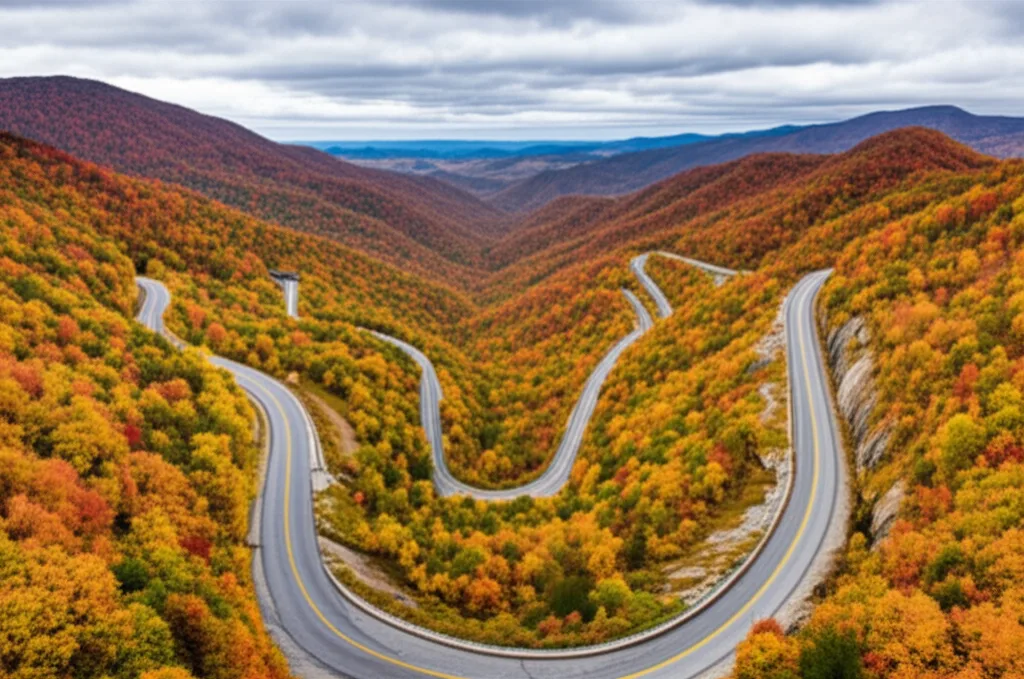
- Scenic Drive: GA-52 from Dawsonville to Amicalola Falls follows historic moonshine running routes.
The Moonshine Heritage Trail
The story of North Georgia's moonshine runners did not end when NASCAR moved to Daytona. Across Dawson and Habersham Counties, the whiskey heritage lives on in museums, restaurants, and legal distilleries that let you taste the tradition without risking a federal conviction. String together the following stops for a full day exploring the culture that turned bootleggers into legends.
Moonshine Heritage Stops
- Dawsonville Pool Room: 44 John Burt St, Dawsonville, GA 30534. The legendary gathering place where the siren blasted whenever a local driver won a race. Today it serves excellent burgers, displays original racing memorabilia, and still has the famous siren mounted on the roof. Open for lunch and dinner; call (706) 216-2275 for hours.
- Georgia Racing Hall of Fame: 415 GA-53 East, Dawsonville, GA 30534. Exhibits feature restored race cars from the 1940s through the 1970s, original moonshine still equipment, and the personal stories of drivers like Lloyd Seay, Gober Sosebee, and the Elliott family. Small admission fee; check seasonal hours before visiting.
- Dawsonville Moonshine Distillery: Legal craft moonshine tastings on GA-53 in Dawsonville. Sample corn whiskey made from the same recipes that once ran down mountain roads in the dark. Flavored varieties and small-batch bourbon also available.
- Big Red Apple Monument: 102 Grant Place, Cornelia, GA 30531. A short detour east on your way back to Helen brings you to this 5,200-pound, 7-foot-tall apple monument, dedicated in 1926 at the heart of Habersham County's orchard country. Free to visit at the historic train depot plaza.
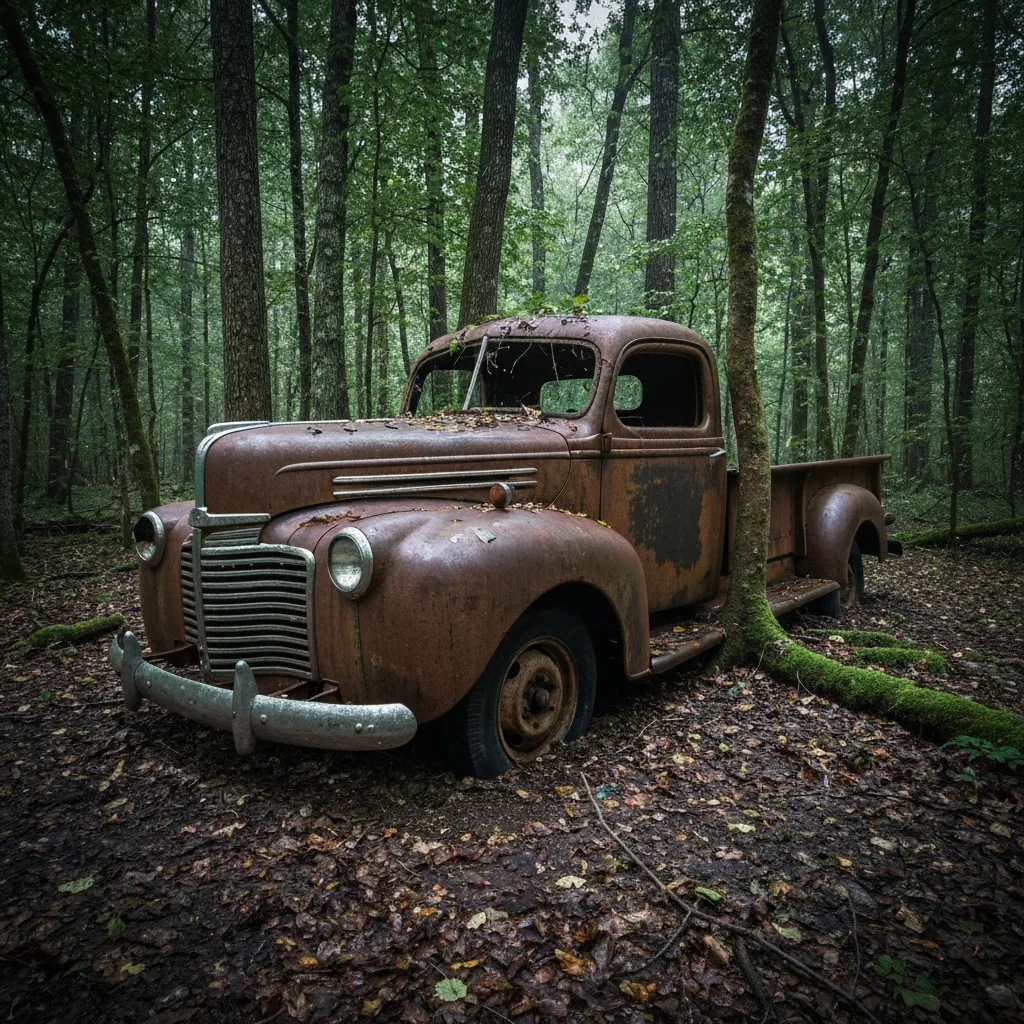
For more of the region's colorful past, read about the bootlegger's wreck hidden near Amicalola Falls, or explore how the mountain communities survived and reinvented themselves in our story of how Helen painted itself saved. Day-trippers can visit Cornelia for the train depot museum and Elvis memorabilia, or head south to the ghost town of Auraria for more of North Georgia's lost history.
Local writers sharing the hidden stories and trails of North Georgia's mountain country.